Prong vs Bezel vs Pave Setting: A Buying Guide for Jewelry Retailers
 by lepdogroup@gmail.com
0 comments
by lepdogroup@gmail.com
0 comments
Prong vs bezel vs pave setting refers to two ways a diamond gets held in metal: prongs use thin metal claws for maximum light exposure, while bezel wraps a metal rim around the stone for protection. Retailers need this distinction because it affects sales conversion, repair rates, and margin. Lepdo Diamonds works with both setting styles across its lab-grown fancy shape inventory.
A jewelry store owner in New Jersey once told me that nearly 40% of her repair tickets in a single quarter came from one setting style. She had never thought to track it before. Once she did, the pattern was obvious: worn-down prongs, bent tips, and one loose stone that nearly walked out the door in a customer’s coat pocket.
That single observation changed how she stocked her cases. It is also exactly why the prong vs bezel vs pave comparison matters so much more than most buyers realize.
This guide breaks down prong vs bezel vs pave settings from a working retailer’s point of view, not a bridal magazine’s. You will get the real differences in durability, cost, maintenance, and customer appeal, along with what GIA and IGI certification standards mean once a stone is mounted. Whether you are sourcing loose diamonds by the parcel or advising a walk-in customer on their first engagement ring, this is the setting knowledge that actually protects your margin.
By the end, you will know which setting style fits which carat weight, which one holds up in daily wear, and which one your customers are actually asking for in 2026. With a clear understanding of prong vs bezel vs pave, you will be better equipped to recommend the right setting for every diamond shape, lifestyle, and budget while improving customer confidence and long-term satisfaction.
What a Diamond Setting Actually Is
A diamond setting is the metal structure that holds a stone in place on a ring, pendant, or earring. It determines how much light enters the diamond, how safe the stone is from daily impact, and how the piece is priced at retail.
Quick Info Box
- Definition: The metal framework, whether claws, rims, or small beads, that secures a diamond to a jewelry piece.
- Key Types or Varieties: Prong, bezel, pave, channel, halo, tension
- Best For: Engagement rings, anniversary bands, fashion jewelry, investment pieces
- Key Difference or Advantage: Prong maximizes brilliance, bezel maximizes protection, pave maximizes perceived carat weight
Most retailers default to prong settings because that is what moves fastest on the sales floor. But that is not always the right advice for every customer. For a full side-by-side breakdown, our internal reference on Bezel vs Prong Setting covers metal usage and labor cost differences in more technical detail.
Most Popular Setting Types and Who They Are For
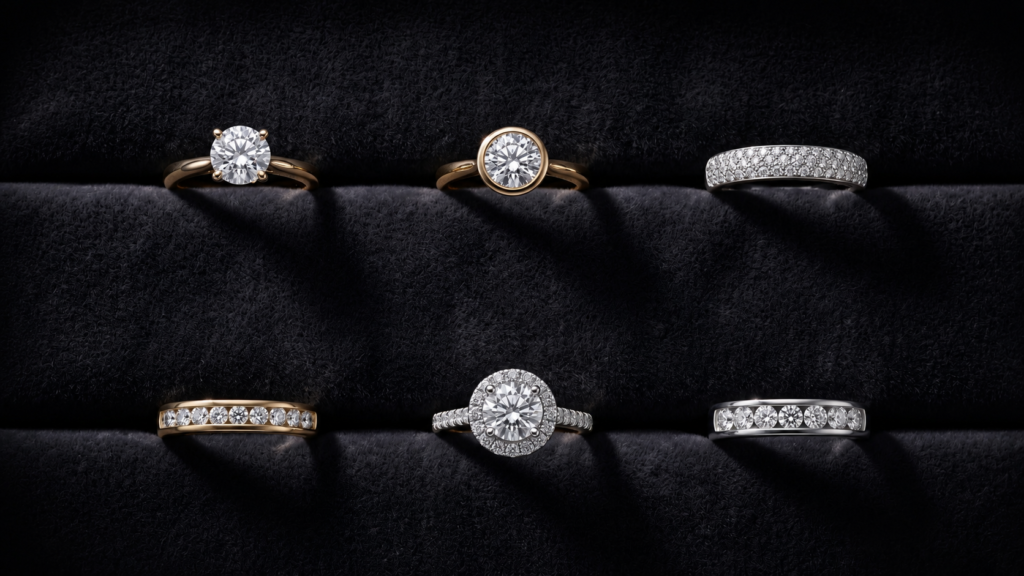
Not every customer needs the same setting, and not every stone performs the same way in every mount. Here is what actually sells across US retail counters right now.
Prong Setting
The classic four or six claw design remains the backbone of engagement ring sales. It exposes the maximum surface area of the diamond to light, which is why brilliance and fire look strongest here. Our detailed breakdown on Prong Setting explains why six-prong mounts suit heavier stones better than four-prong versions.
Here is what most first-time buyers do not know: prong height also affects how the diamond catches light from the side, not just from above. A taller prong basket lets more light enter through the pavilion, which is part of why jewelers reserve six-prong mounts for stones over one carat.
Bezel Setting
A full metal rim wraps around the diamond’s girdle, sealing it from bumps and snags. Active customers, nurses, teachers, and anyone who works with their hands tend to gravitate here once they understand the durability trade-off. Our glossary entry on Bezel Setting breaks down the difference between full bezel and partial bezel styles.
Most buyers assume bezel settings are only for vintage-style rings, but that is not accurate anymore. Modern bezel mounts now show up in minimalist stacking rings, men’s wedding bands, and even tennis bracelets, since the rim style protects stones during sports and manual work.
Pave Setting
Tiny diamonds sit in small drilled holes, held by minuscule metal beads, creating a continuous sparkle across a band or halo. Our full guide on Pavé Setting explains the difference between traditional and micro-pave techniques in depth, and our comparison on Pavé vs Micropavé Setting covers stone size thresholds for each style.
Channel Setting: Stones sit between two parallel metal walls with no visible prongs. Popular for wedding bands that sit flush against an engagement ring.
Halo Setting: A ring of smaller pave diamonds surrounds a center stone, boosting apparent carat weight by roughly 15 to 20%.
Tension Setting: The diamond appears suspended by pressure alone between two metal arms. This is a niche, higher-cost option that appeals to modern design buyers but carries higher damage risk if the metal ever weakens.
Cathedral Setting: Arched metal shoulders rise up to the center stone, adding a vintage silhouette that pairs well with pave accents.
Prong vs Bezel Setting: The Real Difference
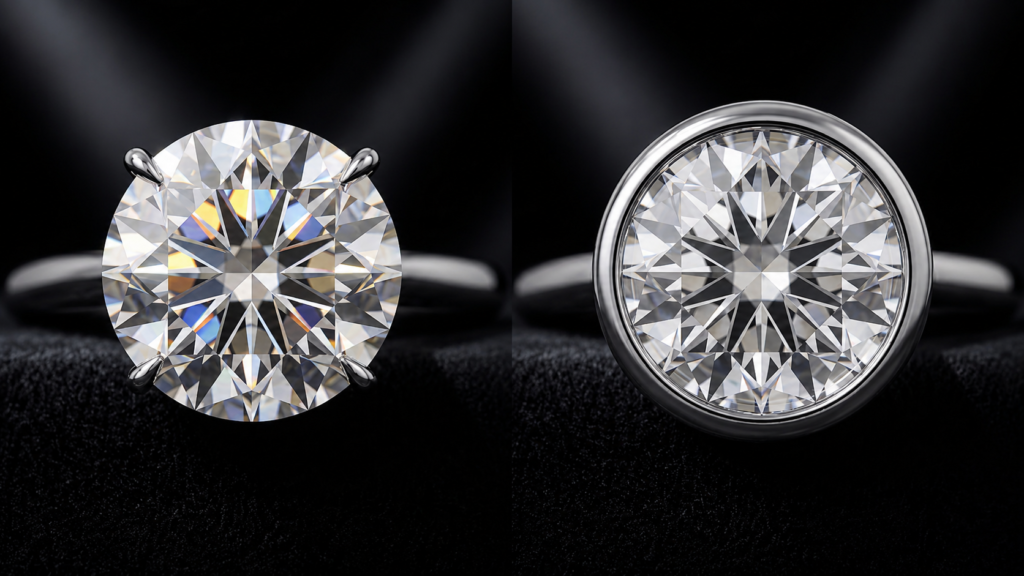
Here is what most buying guides skip: prong vs bezel setting is really a trade-off between light performance and stone security, and no single answer fits every customer.
| Factor | Prong Setting | Bezel Setting |
|---|---|---|
| Light Exposure | Maximum brilliance, minimal metal coverage | Reduced brilliance, metal blocks some angles |
| Durability | Prongs can bend, snag, or wear thin over time | Diamond girdle fully protected from impact |
| Metal Cost | Lower metal usage, lower base cost | Higher metal usage, higher labor cost |
| Repair Frequency | Requires periodic Diamond Prong Retipping | Rarely needs repair once properly set |
| Best Diamond Shapes | Round, princess, oval, pear | Emerald, asher, cushion, round bezel styles |
The truth is that prong settings sell more units, but bezel settings generate fewer warranty claims. If your store handles a high volume of active, hands-on customers, bezel setting vs prong setting diamond conversations should come up during the sales consultation, not after a stone gets chipped.
You will want to pay attention to prong wear specifically, since most engagement rings need Diamond Prong Retipping within five to seven years of daily wear. Bezel settings rarely need this kind of maintenance, which is part of why some retailers quote a lower lifetime cost of ownership on bezel pieces even though the upfront price runs higher.
To be fair, round diamonds still dominate engagement ring sales regardless of setting style, so this decision often comes down to lifestyle rather than shape.
How to Choose the Right Setting for Your Style
- Personal style or physical fit. Vintage and art deco lovers usually prefer bezel or milgrain-edged prongs, while modern minimalists lean toward clean four-prong solitaires.
- Body or space compatibility. Petite hands often look better with lower-profile bezel settings, while longer fingers can carry taller prong mounts without looking top-heavy.
- Setting or use-case compatibility. A daily-wear band needs different security than a fashion piece worn occasionally. Match the setting to how often the piece actually leaves the jewelry box.
- Budget advantage vs alternatives. Prong settings typically cost less in labor and metal, while pave settings add per-stone labor charges that scale with stone count.
- Occasion. Engagement rings favor prong or bezel for the center stone, while pave setting diamond guide recommendations usually apply to the band or halo accents. If you are sourcing melee for this purpose, our glossary page on Pave Diamonds explains sizing and clarity thresholds for accent stones.
- Lab-grown vs natural option. Lab Grown Diamonds perform identically to natural stones in any of these settings, and buyers increasingly ask about the best setting for lab grown diamond purchases specifically because the price point allows for a larger center stone.
Before you finalize your choice, think about how the ring will actually be worn five years from now, not just how it photographs on day one.
What B2B Buyers and Diamond Manufacturers Should Know
Retailers sourcing mounted or loose stones in bulk need to think about setting compatibility before the order ever ships. Understanding the differences in prong vs bezel vs pave is an important part of that planning. A parcel of diamonds cut for prong mounting will not always sit flush in a bezel channel without recutting the girdle, and that adjustment adds cost.
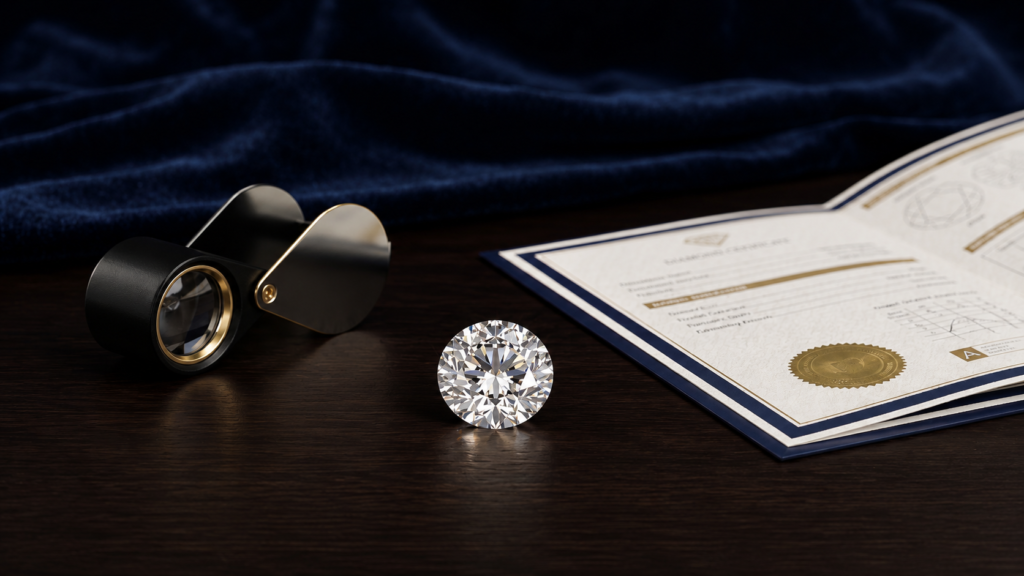
The choice between prong vs bezel vs pave also affects how a diamond performs once it is mounted. Cut grading consistency matters here more than most buyers realize. A stone graded Excellent by GIA in a loose state can still underperform once it sits inside a bezel that blocks light from the pavilion. Manufacturers like Lepdo Diamonds, based in Surat’s diamond hub, typically grade CVD stones with both loose and mounted performance in mind, since IGI and GIA certification standards apply to the stone itself, not the finished setting. Understanding prong vs bezel vs pave helps retailers evaluate how different mounting styles influence brilliance, light return, durability, and the overall appearance of the finished diamond jewelry piece.
Rapaport pricing factors also shift depending on setting intent. A fancy cut diamond manufacturer pricing stones for pave work will often sell smaller, more uniform melee at tighter margins than single prong-set center stones. When comparing prong vs bezel vs pave for production, retailers should also consider how each setting style influences stone selection, light performance, labor costs, and overall manufacturing efficiency. In my experience, retailers who request pre-graded parcels sorted by setting compatibility save significant rework time on the bench.
Bulk sourcing decisions should also account for how a parcel will be split across setting types before it ever reaches production. A wholesaler ordering a mixed parcel of round and oval stones needs to know upfront which stones are destined for prong mounts and which are earmarked for bezel or pave work, since girdle thickness requirements differ across all three. Evaluating prong vs bezel vs pave requirements before manufacturing begins helps reduce costly adjustments, improve production timelines, and minimize rework requests that often return to manufacturers weeks after a parcel ships.
Prong, Bezel, and Pave Jewelry Trends in the USA (2026 to 2027)
Bezel settings are having a real moment right now, driven partly by red carpet appearances and partly by a broader shift toward everyday-wearable fine jewelry. As more buyers compare prong vs bezel vs pave options, retailers report stronger sell-through on bezel solitaires than at any point in the last five years.
Mixed-setting designs are also trending, where a prong-set center stone sits inside a pavé halo with a bezel-set hidden halo underneath. These combinations showcase the advantages of prong vs bezel vs pave by blending maximum brilliance, added protection, and extra sparkle within a single design. This layered approach lets a fancy cut diamond jewellery piece look larger without increasing actual carat weight, which matters as average price per carat continues to climb. For retailers following current design trends, understanding prong vs bezel vs pave helps create collections that balance style, durability, and value for today’s consumers.
Scalloped Pavé Setting styles, where the metal dips between each stone to expose more surface area, are showing up more often in 2026 collections because they solve the classic pave complaint about dull-looking, over-metaled bands.
That said, classic four-prong solitaires are not going anywhere. Industry data from Rapaport’s 2026 market reports still shows solitaire styles accounting for the largest single share of engagement ring sales in the US, even as bezel and mixed-setting styles grow their percentage year over year.
How to Evaluate Quality in Any Diamond Setting
When I assess a mounted diamond, the first thing I check is whether the setting is interfering with light return. Whether comparing prong vs bezel vs pave, brilliance, fire, and scintillation all depend on how much of the pavilion and table remain exposed once the stone is secured.
Think of it this way: a diamond can carry a flawless clarity grade and still look lifeless if the setting swallows too much light. That is why grading the loose stone is only half the job. A retailer also has to think about how the finished mount will treat that same stone once it is on a customer’s hand under normal room lighting, not just under a jeweler’s loupe. Understanding prong vs bezel vs pave helps buyers choose a setting that balances protection, durability, and maximum sparkle.
- Check depth percentage and table percentage against GIA ideal ranges before the stone goes into any bezel, since bezels reduce visible light entry the most.
- Inspect prong tips under magnification for early wear, especially on stones over one carat.
- Look for a bowtie effect in elongated shapes like oval or marquise, which can worsen if the setting pinches the stone at the wrong angle.
- Confirm length-to-width ratio matches the setting’s intended silhouette so the stone does not look pinched or floating.
- Always verify certified diamonds against their report before mounting, since a switched or damaged stone is far harder to catch after setting.
- When comparing prong vs bezel vs pave, evaluate how each setting style affects light performance, security, maintenance requirements, and the overall appearance of the finished jewelry.
Evaluating prong vs bezel vs pave from both a gemological and manufacturing perspective ensures the finished piece delivers the best combination of beauty, durability, and long-term customer satisfaction.
Conclusion
Get the setting right, and the prong vs bezel vs pave question stops being a technical debate and starts being a sales advantage.
The truth is that no single setting style is objectively best. The right one depends on lifestyle, budget, and the specific diamond shape being mounted. Understanding prong vs bezel vs pave helps retailers recommend the most suitable option for each customer. For wholesale inquiries on fancy shapes and setting-ready parcels, Lepdo Diamond offers direct manufacturer pricing from Surat, and retailers can browse the full catalog through your existing internal links to compare stones suited for prong, bezel, or pave work before committing to bulk orders.
Most jewelry buyers do not ask about setting type until something goes wrong, and by then the sale is already made. Building this knowledge into the sales conversation upfront, rather than the repair conversation later, is what separates a store that customers trust from one they simply buy from once.
That kind of trust shows up on the balance sheet too, not just in reviews. Fewer repair tickets mean lower warranty costs, and a sales team that can speak confidently about prong vs bezel vs pave differences tends to close higher-ticket pieces without resorting to discounting. For retailers and jewelers, understanding prong vs bezel vs pave is not just a design decision, it is a practical strategy for improving customer satisfaction, reducing after-sales issues, and increasing long-term profitability.
Frequently Asked Questions About Prong vs Bezel Setting
1.What is prong vs bezel setting?
Prong vs bezel setting compares two diamond mounting methods: prongs use thin metal claws that expose most of the stone to light, while bezel setting wraps a solid metal rim around the diamond’s edge for maximum protection. Prong favors brilliance, bezel favors durability and daily-wear safety.
2.Is prong setting cheaper than bezel setting?
Yes, prong settings generally cost less than bezel settings. Prongs use less metal and require less bench labor to fabricate, while bezel settings need precise metal shaping around the entire stone girdle, which increases both material and labor costs at the manufacturing stage.
3.Which setting looks biggest or most impressive?
Pave and halo settings make a center stone look largest, since surrounding melee diamonds create the illusion of greater carat weight. Bezel settings can also make a stone appear slightly larger by adding a visible metal border that frames the diamond.
4.Does prong vs bezel setting affect the GIA cut grade?
No, GIA cut grades are assigned to the loose diamond before mounting and never change once a stone is set. However, a poorly executed bezel can visually reduce light performance even though the certified cut grade on paper stays the same.
5.What is the biggest quality risk with prong vs bezel settings?
The biggest risk with prongs is wear over time, leading to loose stones and eventual loss if not maintained. Bezel settings carry lower loss risk but can trap dirt against the stone, requiring more frequent professional cleaning to maintain brilliance.
6.Are lab-grown diamonds as good as natural diamonds in these settings?
Yes, lab-grown diamonds perform identically to natural diamonds in any setting type, since they share the same optical and physical properties. IGI and GIA grade lab-grown stones using the same 4Cs standards applied to natural diamonds.
7.Which setting is best for an engagement ring?
Prong setting remains the most popular choice for engagement ring center stones because it maximizes brilliance and fire. Bezel setting is a strong alternative for active lifestyles, while pave accents on the band add extra sparkle without raising damage risk.
8.How do I choose a reliable setting or diamond manufacturer or supplier?
Look for suppliers offering IGI or GIA certified stock, transparent pricing, and consistent cut grading across parcels. Requesting a sample parcel before committing to bulk orders is standard practice among established B2B buyers evaluating a new sourcing relationship.