Lab Grown Diamond Suppliers for Israel’s Jewelry Trade: A Sourcing Guide for B2B Buyers
 by lepdogroup@gmail.com
0 comments
by lepdogroup@gmail.com
0 comments
Lab grown diamond suppliers Israel B2b Guide refers to manufacturers and exporters, mostly based in India, who ship IGI or GIA certified CVD and HPHT diamonds to buyers connected to Israel’s diamond trade, including Ramat Gan. This matters because certification, cut consistency, and Rapaport-linked pricing vary widely between suppliers. Lepdo Diamonds is one manufacturer worth reviewing for transparent sourcing.
A wholesaler in Ramat Gan told me something last month that stuck with me. He had turned down three separate lab-grown parcels in four weeks. Not because the diamonds looked bad under a loupe, but because the paperwork simply did not match the stones sitting in front of him.
That story is not rare anymore. Finding dependable lab grown diamond suppliers Israel buyers can actually trust has quietly become one of the biggest sourcing headaches for manufacturers and retailers working across the US and Israeli markets right now. Between shifting GIA reporting standards, growing IGI volume, and the fast expansion of CVD production out of India, the entire landscape has changed within a few short years.
Here is what you will get from this guide. You will learn how the sourcing chain actually works between India and Israel, what separates a trustworthy supplier from a risky one, and how the 4Cs and carat weight expectations differ once you move into lab-grown territory. Whether you run a manufacturing line in the US, buy loose stones for a bridal collection, or work directly with Israeli cutters, this breaks down the real mechanics behind diamond sourcing Israel B2B buyers rely on every single week, not just the surface-level version most guides repeat.
Israel’s diamond trade has weathered plenty of change over the decades, but the lab-grown shift feels different. It is not a slow evolution. It is a fast reshuffling of who supplies whom, and buyers who move carefully right now will have a real advantage once the dust settles.
What Lab Grown Diamond Sourcing for Israel Actually Means
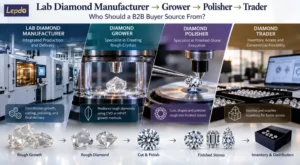
Lab grown diamond sourcing for Israel describes the full supply chain connecting diamond-growing facilities, mostly concentrated in Surat, India, to cutting houses, traders, and retailers tied to Israel’s diamond trade network, including the historic Israel Diamond Exchange in Ramat Gan. It is not one clean transaction. It is a chain of certification, cutting, grading, and export documentation that has to survive scrutiny from both IGI and GIA before a stone ever reaches a retail counter.
Quick Info Box
- Definition: The process of manufacturing, certifying, and exporting CVD or HPHT lab-grown diamonds to buyers connected with Israel’s diamond trade
- Key Types or Varieties: Loose polished stones, melee parcels, fancy shapes, calibrated goods, finished jewelry
- Best For: Manufacturers, wholesalers, bridal retailers, and B2B importers working with a diamond supplier Israel network
- Key Difference or Advantage: Lower cost basis than natural diamonds with identical optical and physical properties
Most buyers assume this process is simpler than it actually is until they hit their first customs delay. Understanding the structure before you place an order saves real money later, and it saves you from the kind of awkward phone calls nobody wants to make to an anxious client.
Israel’s role here is not just geography. Ramat Gan cutters bring decades of craftsmanship to fancy shapes that Indian manufacturers grow but do not always finish to the same finesse. That combination, Indian production paired with Israeli polishing, has become a genuine competitive edge for buyers who understand how to structure the relationship correctly.
Most Popular Sourcing Routes and Who They Are For
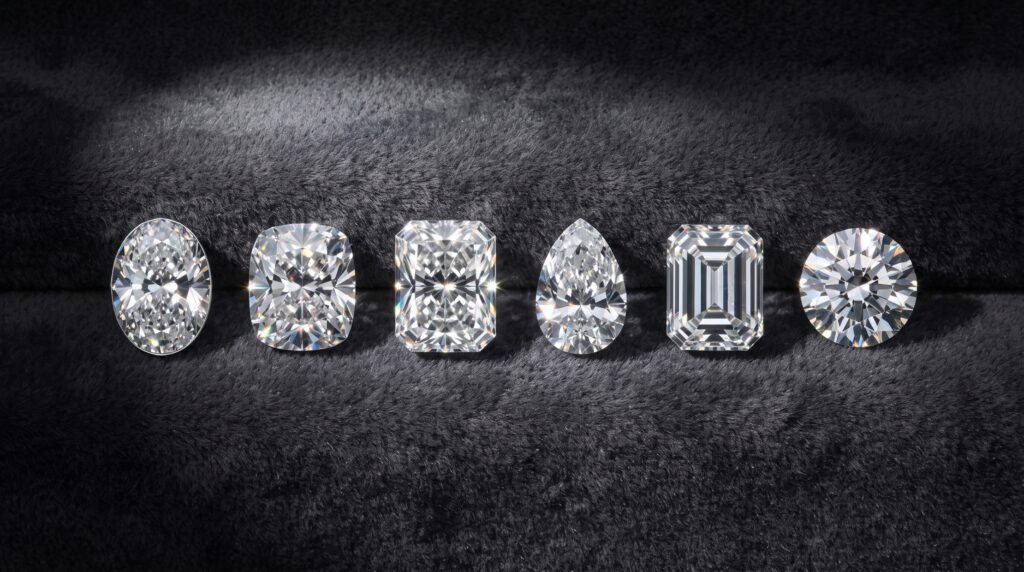
Not every buyer sources the same way, and honestly, that is fine. Different business models call for different paths into the same trade network. Here are the main routes active in the market today, along with a sense of who tends to gravitate toward each one.
Direct India-to-Israel Import
This is the most common path for india diamonds to israel import activity right now. Manufacturers ship IGI-certified rough or polished CVD stones directly to Ramat Gan traders, cutting out unnecessary middlemen and keeping margins noticeably tighter. This route suits buyers who already have relationships built and simply need volume, since it requires enough trust to skip the layered verification that a broker-based system provides.
Israel Diamond Exchange Sourcing
Buyers working through the israel diamond exchange suppliers network get access to established trading relationships, trust-based settlement systems, and faster dispute resolution when something goes wrong. This suits manufacturers who want institutional backing sitting behind every deal they sign. Newer importers especially benefit here, since the exchange structure absorbs some of the risk that comes with an unfamiliar counterparty.
US-Israel Dual Sourcing
Some American brands source through Israeli cutters who then re-export finished pieces to the US. This model works well for retailers who want Israeli craftsmanship applied to Indian-grown rough, blending two strong reputations into one product. It costs more per piece, but the finishing quality on fancy shapes often justifies the premium for higher-end collections.
Beyond these three primary routes, several other channels stay active in the trade and deserve a mention. Buyers also use consignment sourcing for melee parcels, which keeps cash flow lighter for smaller retailers. Calibrated goods sourcing built specifically for bridal lines has grown fast as engagement ring demand shifted toward lab-grown. Sample-parcel testing before committing to full bulk orders remains standard practice among cautious first-time importers, and rightly so. Fancy shape specialist channels tuned for cushion and radiant cuts have emerged as their own niche within the broader trade. And hybrid inventory models blending natural and lab-grown stock, something a lot of US retailers still prefer while the market keeps shifting underneath them, continue to dominate mid-tier retail purchasing decisions.
Lab Grown Diamond Sourcing vs Natural Diamond Sourcing: The Real Difference
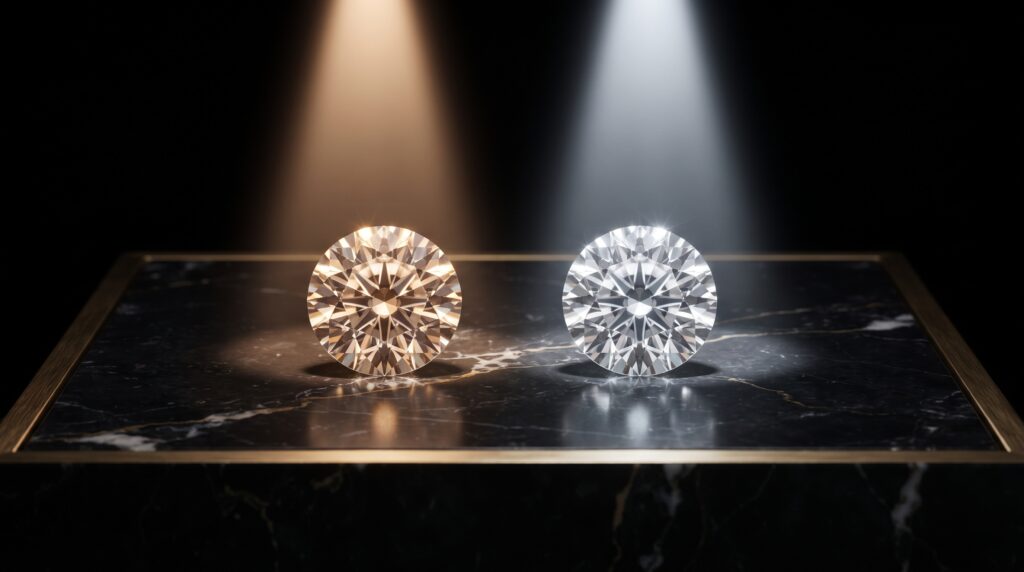
| Factor | Lab Grown Sourcing | Natural Diamond Sourcing |
|---|---|---|
| Price per carat | 60-80% lower typically | Higher, tied to rarity |
| Supply consistency | High, factory-controlled | Variable, mine-dependent |
| Certification standard | IGI dominant, GIA growing | GIA and AGS dominant |
| Rapaport pricing influence | Emerging, less standardized | Long-established benchmark |
| Import documentation | Kimberley Process exempt | Kimberley Process required |
The truth is, most B2B buyers have stopped picking a side entirely. They run dual inventories instead, stocking both categories side by side and letting customer demand decide the split at the point of sale. To be fair, natural diamonds still command more trust in the ultra-high-end investment segment, where provenance and rarity still carry real weight with collectors and serious buyers. That said, lab-grown has closed the gap fast for engagement ring and everyday fashion jewelry categories, which now make up the bulk of retail demand across the US market.
What surprises a lot of newer buyers is how much the documentation burden differs between the two. Natural diamond import still requires Kimberley Process compliance, which adds a layer of paperwork that lab-grown sourcing simply skips. That alone shortens lead times for lab-grown shipments by days in some cases, which matters a great deal when a retailer is trying to restock ahead of a busy season.
How to Choose the Right Lab Grown Diamond Supplier for Israel-Linked Trade
- Match your buyer profile first. A retail-facing brand needs different documentation and packaging than a wholesaler feeding cutting houses further down the chain. Get this wrong and you will spend months untangling invoices that do not match your actual business model.
- Check facility scale honestly. Confirm the supplier can actually handle your volume without quietly subcontracting to unknown labs behind the scenes. Ask direct questions about production capacity rather than accepting vague reassurances.
- Verify setting and use-case fit. Bridal lines need tightly calibrated stones, while fashion jewelry has noticeably more room for flexibility on tolerance and matching.
- Compare the budget advantage carefully. Lab-grown typically offers savings of 60 percent or more versus natural diamonds at equivalent grades, though the exact number shifts depending on shape and clarity tier.
- Match sourcing to the occasion. Engagement ring demand needs GIA-graded fancy shapes, while commercial jewelry can often work fine with IGI-graded melee at a lower price point.
- Decide on your lab-grown versus natural inventory mix. Most buyers now stock both, and understanding Lab Grown Diamonds as a distinct category, separate from simulants or treated stones, is essential before you start negotiating price with anyone.
You will want to pay attention to documentation consistency more than almost anything else on this list. It is the one factor that quietly determines whether your entire order clears customs smoothly or sits in limbo for weeks. Before you finalize your choice, ask every supplier for a sample IGI or GIA report tied to an actual physical parcel, not a generic template pulled from a catalog somewhere.
What B2B Buyers and Diamond Manufacturers Should Know
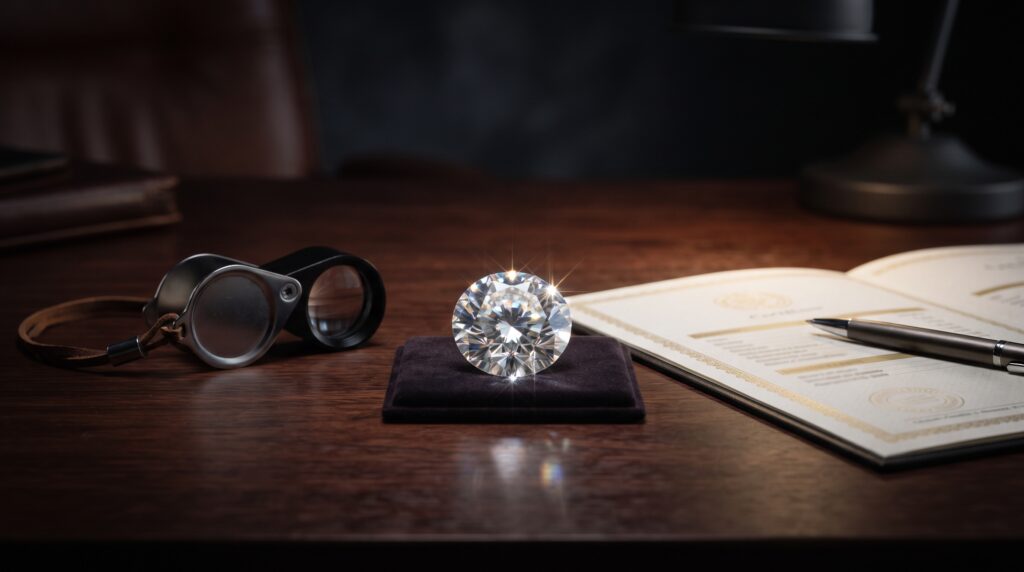
Bulk sourcing for the Israeli and US markets runs on consistency, not just price. A fancy cut diamond manufacturer supplying Ramat Gan or New York retailers needs to prove repeatable cut grading across an entire parcel, not just one polished sample stone photographed for a catalog. This distinction trips up a surprising number of first-time importers who assume one great-looking stone represents the whole lot.
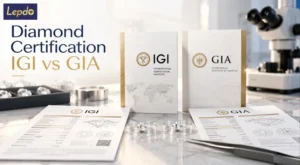
IGI certification remains the dominant lab for lab-grown stock, though GIA has expanded its lab-grown grading program significantly since 2022. Smart buyers request both when comparing suppliers, since grading standards between the two labs still show minor variance on borderline clarity calls, especially near the VS to SI boundary where a single grade difference can shift price meaningfully.
Manufacturers like Lepdo Diamonds, based in Surat’s diamond manufacturing hub, typically grade CVD stones using in-house gemologists before final IGI submission, a step that measurably reduces the rejection rate retailers see once goods actually arrive. This kind of internal quality control matters more than most first-time buyers realize until they get burned once on a mismatched shipment that costs them a client relationship along with the money.
Rapaport pricing for lab-grown diamonds is still catching up to natural diamond benchmarking, so negotiate based on real cost-per-carat trends rather than assuming Rapaport parity exists yet. In my experience, buyers who study Lab Grown Diamonds Quality Grades before their first negotiation save meaningfully across their first three or four orders. For manufacturers exploring Import Lab Diamonds From India processes for the first time, the documentation curve is steeper than most expect, but it flattens quickly once your first few shipments clear smoothly and you know which questions actually matter.
Bulk buyers should also ask suppliers about parcel-to-parcel consistency over time, not just within a single order. A supplier who nails one shipment but drifts on the next is a bigger long-term risk than one who is consistently average.
Lab Grown Diamond Jewelry Trends in the USA (2026 to 2027)
Fancy cut diamond jewellery is having a genuine moment right now, and it does not look like a passing trend. Oval and cushion shapes continue dominating engagement ring searches, while elongated radiant cuts are gaining real traction in fashion rings among younger buyers who want something less predictable than a classic round.
Celebrity engagement announcements still shape shape preference cycles somewhat, though that influence has softened compared to five years ago as buyers do far more independent research online before ever stepping into a store. Recent industry reporting shows lab-grown diamonds now account for a majority of US engagement ring center stone sales by unit volume, a shift that would have seemed unlikely just three years back to most people in the trade.
Setting styles are trending toward hidden halos and thin pave bands that let the stone’s brilliance carry the entire design without competing for attention. Retailers stocking Israeli-cut fancy shapes paired with lab-grown centers are seeing strong sell-through right now, particularly in the two thousand to five thousand dollar price bracket, which continues to be the sweet spot for first-time engagement ring buyers.
Regional demand is shifting too. Buyers on the coasts lean toward elongated shapes and modern settings, while more traditional markets in the Midwest and South still favor round brilliants set in classic prong styles. Suppliers who understand this regional split can help retailers stock smarter instead of guessing.
How to Evaluate Quality in Lab Grown Diamond Sourcing
When I assess a parcel from a new supplier, the first thing I check is cut consistency across the entire lot, not just the hero stone they photograph for marketing purposes. Brilliance, fire, and scintillation all depend on precise pavilion angles and table percentage, and lab-grown rough cuts just as unforgiving as natural rough the moment those proportions drift off target.
- Check the depth percentage falls within 59 to 62 percent for round brilliants.
- Review length-to-width ratio consistency across every fancy shape in the same parcel.
- Confirm the clarity grade matches what the certificate states under a standard 10x loupe.
- Look closely for bowtie effect severity in oval, marquise, and pear shapes.
- Always request certified diamonds documentation before wiring payment on any bulk order.
Color grading nuances matter just as much as cut. DEFG range stones should show no visible tint under controlled lighting conditions, and any supplier unwilling to show live video under standard D65 lighting deserves a second look before you commit real money. Facets that look sharp under one light source can look soft under another, and that difference shows up fast once a stone sits under retail lighting in front of a customer.
Rounding out the checklist, always cross-reference the table percentage against the certificate rather than trusting a supplier’s own summary sheet. Small discrepancies here often signal bigger issues elsewhere in the parcel.
Conclusion
Sourcing lab grown diamond suppliers Israel buyers can genuinely rely on comes down to three things: certification integrity, cut consistency across full parcels, and understanding how Rapaport pricing is still evolving for lab-grown categories. Buyers who treat these as non-negotiable checkpoints avoid the costly surprises that still trip up newer importers in this space more often than anyone likes to admit.
The India-to-Israel supply chain has matured fast over the past few years, but that does not mean every supplier operates at the same standard. Some cut corners on grading. Others skip verification steps that matter far more than a slightly better price on paper. Retailers sourcing certified lab-grown diamonds can explore Lepdo Diamonds current stock to see how transparent grading and documentation practices actually look in real inventory, rather than in a sales pitch.
Whether you are running bulk Diamond Import for a manufacturing line, managing Diamond Wholesale accounts, or building out a Diamond Retail collection for US customers, the fundamentals stay the same across every deal. Get the certification right, verify the cut across the whole parcel, and work only with suppliers who treat documentation as seriously as the stone itself. Understanding Diamond Export requirements on the India side matters just as much as understanding import rules on the receiving end. That approach, more than any single supplier relationship, is what protects your margins and your reputation in a trade where trust travels slower than money.
Frequently Asked Questions About Lab Grown Diamond Suppliers Israel
1. What are lab grown diamond suppliers Israel buyers typically use?
Lab grown diamond suppliers Israel buyers use are mostly India-based manufacturers, concentrated in Surat, exporting IGI or GIA certified CVD and HPHT diamonds to traders and cutters connected to Ramat Gan’s diamond exchange network for further processing or resale.
2. Is lab-grown diamond sourcing cheaper than natural diamond sourcing?
Yes, lab-grown sourcing typically runs 60 to 80 percent cheaper per carat at equivalent grades. This price gap holds fairly steady across most fancy shapes, though it narrows slightly for larger stones above three carats due to growing production complexity.
3. Which lab-grown shape looks biggest or most impressive per carat?
Elongated shapes like oval, marquise, and pear typically look largest per carat thanks to greater surface area spread. A well-cut 1.5 carat oval can visually outsize a round brilliant of the same weight by a noticeable margin.
4. Does lab-grown diamond sourcing carry a GIA cut grade?
Yes, GIA has graded lab-grown diamonds on cut, color, and clarity since expanding its lab-grown reporting program. IGI remains more common in volume trade, but GIA certification is increasingly requested for higher-value fancy shapes entering the US market.
5. What is the biggest quality risk with lab grown diamond suppliers Israel deals with?
The biggest risk is certification mismatch, where the paperwork does not correspond to the actual stone shipped. This happens most often with parcel goods and melee, making third-party verification essential before any bulk payment clears.
6. Are lab-grown diamonds as good as natural diamonds?
Yes, lab-grown diamonds share identical chemical, optical, and physical properties with natural diamonds. The only meaningful difference is origin, which shows up in price and, for some buyers, in long-term resale value expectations down the line.
7. Which lab-grown shape is best for an engagement ring?
Oval and cushion cuts remain the top choices for engagement rings thanks to their balance of brilliance and finger coverage. Round brilliants still hold strong appeal too, particularly among buyers prioritizing maximum fire and sparkle above all else.
8. How do I choose a reliable lab grown diamond manufacturer or supplier?
Request sample parcels with matching certification, confirm in-house grading before lab submission, and verify export documentation history. Suppliers willing to provide traceable production records tend to be far more reliable long-term trading partners.