US-India Diamond Tariff Deal 2026: What It Means for Lab Grown Diamond Buyers
 by lepdogroup@gmail.com
0 comments
by lepdogroup@gmail.com
0 comments
The us india diamond tariff 2026 deal lowered duties on Indian gem and jewelry imports from 50% to 18%, though loose lab-grown diamonds were left out of the zero-duty exemption given to natural stones. Buyers need to understand this gap before placing orders. Lepdo Diamonds helps US retailers plan sourcing around these updated rates.
Last August, a US jewelry chain buyer told me their landed cost on a parcel of Indian-cut lab-grown melee jumped almost overnight. That single shipment summed up an entire year of confusion in the trade. The us india diamond tariff 2026 framework has now reshaped that picture again, and not every category benefited equally.
If you buy loose stones, finished jewelry, or run a wholesale operation that depends on Surat-cut goods, you need the real numbers, not headlines. Diamond pricing now hinges on something most buyers never used to think about: whether a stone is natural or grown, loose or set, and which annex it falls under.
This piece breaks down what changed, what stayed the same, and what GIA-certified or IGI-certified lab-grown buyers should actually do with this information. We will cover the new rates, the exemption that lab-grown diamonds did not receive, and how manufacturers and retail buyers are adjusting sourcing strategy heading into 2027.
What the US-India Diamond Tariff 2026 Deal Actually Is
The us india diamond tariff 2026 agreement is a trade framework between Washington and New Delhi that resets import duties on diamonds, gemstones, and jewelry shipped from India into the United States. It followed nearly a year of elevated tariffs that had pushed combined rates as high as 50% on some categories.
Quick Info Box
Definition: A 2026 US-India trade framework that lowers the reciprocal tariff on most Indian gem and jewelry exports from 25% to 18%, while granting a separate zero-duty exemption to loose, cut natural diamonds and gemstones under Annex III.
Key Types or Varieties: Loose natural diamonds (0% pending finalization), loose lab-grown diamonds (18%), finished jewelry (18%), colored gemstones (0% if natural and loose).
Best For: B2B wholesalers, jewelry manufacturers, retail buyers sourcing from Surat or Mumbai, and consumers tracking ring pricing.
Key Difference or Advantage: Natural loose stones got full exemption; lab-grown loose stones did not, which changes the cost math between the two categories for the first time in years.
Buyers working directly with a manufacturer such as one of the established Lab Grown Diamond Manufacturers in Surat will feel this shift first, since pricing quotes now need to specify tariff classification up front.
Tariff Categories Every Buyer Should Know And Who They Affect
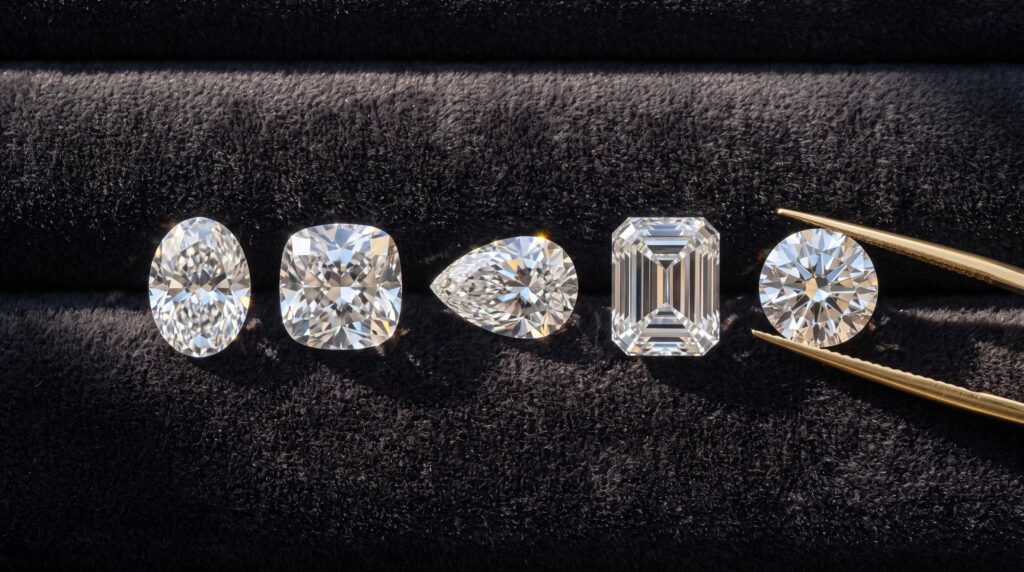
Not every diamond product moves through customs the same way. Here are the categories shaping the us tariff on indian diamonds landscape right now.
Loose Natural Diamonds (Cut and Polished)
These now qualify for 0% duty once the interim agreement is formally signed, under the White House’s Annex III exemption list. This matters most for manufacturers and dealers moving larger natural carat goods, since the savings scale directly with stone size and value. A 2-carat natural solitaire that once carried a steep duty bill now clears customs at no added cost, which is already changing how dealers structure their natural diamond inventory for the US market.
Loose Lab-Grown Diamonds
Here is what surprises most buyers: lab-grown stones were left out of Annex III entirely. They remain taxed at the 18% reciprocal rate, not the 0% rate natural stones received, even though both are cut and polished in the same Surat factories, often by the same skilled cutters working a few benches apart. This inconsistency is the part of the deal drawing the most pushback from GJEPC and individual exporters.
Finished Jewelry (Natural or Lab-Grown)
Set jewelry, regardless of the diamond type inside it, is taxed at 18%, down from a combined rate that had reached 50% under the prior penalty structure tied to Russian oil purchases. That drop alone has already brought noticeable relief to retailers who import finished bridal pieces rather than loose stones, since jewelry shipments make up a large share of total US import volume from India.
Other relevant categories:
- Colored gemstones (loose, natural): 0%, same Annex III treatment as natural diamonds
- Melee and small parcels under 0.30 carats: still taxed at the full applicable rate, with no minimum-value exemption
- US-cast jewelry sent to India for setting: considered US origin, no duty applies on return
- Cultured pearls: 18%, grouped with jewelry-category goods
- Rough lab-grown material: generally not separately classified, follows polished LGD treatment in most filings
Retailers buying loose melee for pavé settings, and manufacturers running large solitaire programs, are now working with two completely different cost structures depending on stone origin.
Lab-Grown Tariff Status vs Natural Diamond Tariff Status The Real Difference
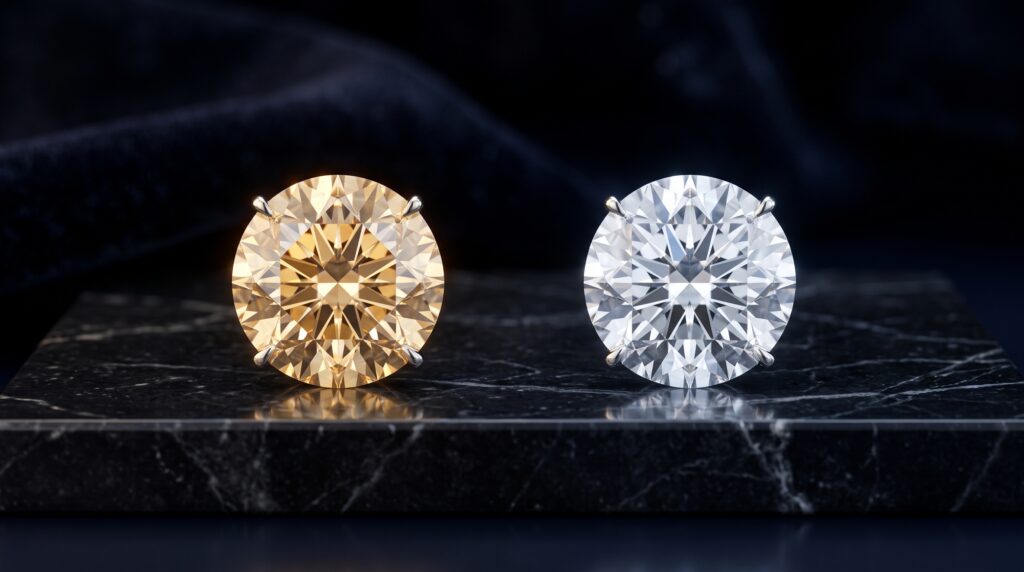
The phrase “lab grown diamond tariff exemption” gets searched constantly right now, and the honest answer is that the exemption applies to natural stones, not lab-grown ones. That gap is the single most important fact in this entire update.
| Factor | Lab-Grown Diamonds (Loose) | Natural Diamonds (Loose) |
|---|---|---|
| Current tariff rate | 18% reciprocal duty | 0% under Annex III |
| Annex III status | Excluded | Included |
| GJEPC lobbying status | Ongoing, not yet successful | Resolved |
| Jewelry-set rate | 18% (same as loose) | 18% if set, 0% if loose |
| Price impact on buyers | Cost passed forward, margin pressure | Largely absorbed by exemption |
The truth is, this creates a strange inversion in the market. For years, lab-grown diamonds carried only a token 3% duty while natural stones moved freely. Now natural loose stones are duty-free and lab-grown loose stones carry the higher rate, which narrows the price gap between the two categories more than most consumers realize.
How to Choose the Right Sourcing Strategy for Your Style
- Know your end use first. Loose stones for custom settings face different duty treatment than finished jewelry, so confirm classification before quoting a client.
- Check carat-tier exposure. Smaller melee parcels see the same percentage hit as larger stones, with no low-value exemption to soften the blow.
- Match your supply chain to your setting workflow. If you cast domestically and ship for stone-setting in India, returning finished pieces may qualify for US-origin treatment.
- Run the budget math against alternatives. Even at 18%, lab-grown diamonds still typically cost 60 to 85% less per carat than comparable natural stones before tariffs are applied.
- Match sourcing to occasion. Engagement ring buyers prioritizing certified clarity grade and color consistency may lean toward locked-in inventory rather than spot-priced imports.
- Decide lab-grown vs natural with eyes open. Most buyers still find lab-grown diamonds the stronger value even post-tariff, and pages like Lab Grown Diamond Price break down current per-carat figures across color and clarity tiers.
Before you finalize your choice, get written confirmation from your supplier on which tariff classification applies to your specific order, since misclassification at customs causes the delays buyers complain about most.
What B2B Buyers and Diamond Manufacturers Should Know
For wholesalers and retail chains, this update changes how purchase orders should be structured. Bulk sourcing now requires separating loose natural and loose lab-grown line items on customs paperwork, since they no longer share a duty rate. A fancy cut diamond manufacturer running mixed inventory across both categories needs documentation that clearly distinguishes the two at the invoice level, or risks the entire shipment being assessed at the higher rate.
Cut grading consistency matters more under this system, not less. IGI and GIA certification standards for lab-grown stones have not changed, but buyers should request certificate-matched invoicing so customs brokers can verify classification quickly. Manufacturers like those building inventory through a vetted Diamond Manufacture network in Surat typically grade CVD and HPHT stones against the same DEFG color and VVS-VS clarity benchmarks regardless of destination market, which keeps certification consistent even as duty rates shift.
Rapaport pricing references for lab-grown goods are starting to reflect this tariff gap, with US landed-cost benchmarks trending slightly higher than FOB India quotes from earlier in 2025. In my experience advising B2B accounts, the buyers who come out ahead are the ones who lock in supplier relationships with transparent landed-cost quoting rather than chasing the lowest FOB number, because that FOB price rarely reflects what actually clears customs.
For step-by-step guidance on documentation, see Import Lab Grown Diamonds.
Lab-Grown Diamond Jewelry Trends in the USA (2026 to 2027)
Despite the tariff adjustment, demand has not slowed. Most buyers continue gravitating toward fancy cut diamond jewellery, particularly oval and cushion shapes set in low-profile bezel mountings that emphasize the stone’s outline rather than the metalwork around it. Mixed-metal designs, two-tone settings combining yellow gold with platinum accents, are gaining ground in bridal collections this season, and several manufacturers report this combination now outselling traditional single-metal mountings in their custom order books.
Vintage-inspired details are also resurfacing, with hidden halos, milgrain edging, and East-West stone orientation showing up across both bridal and fashion lines. Buyers are no longer treating lab-grown diamonds as a budget compromise. Instead, they are using the savings to size up or upgrade clarity grade, which is pushing average center-stone carat weight higher across several US retail chains compared to two years ago.
Cultural visibility around lab-grown engagement rings has accelerated mainstream acceptance, with industry trackers reporting lab-grown diamonds now account for a majority share of US engagement ring center stones by unit volume. Social media has played a real role here too, with ring-buying content normalizing lab-grown as the default choice rather than the alternative one. That said, round diamonds still dominate engagement ring sales overall, and fancy shapes remain a secondary but fast-growing category, particularly among buyers under 35 who want something that reads as distinct rather than traditional.
Fancy color lab-grown stones, particularly yellows and pinks, are showing up more frequently in statement jewelry rather than just bridal pieces. Cocktail rings, tennis bracelets, and stud earrings featuring fancy color centers have moved from niche to mainstream over the past 18 months, and demand for certified colored stones is climbing faster than demand for colorless ones in several wholesale categories. Buyers curious about colored options can review Fancy Color Lab Grown Diamonds for current availability and pricing trends, since inventory in this category shifts quickly as designers compete for the same limited color-grade stock.
How to Evaluate Quality in Lab-Grown Diamonds Post-Tariff
When I assess a lab-grown stone for a US-bound order, the first thing I check is light performance, since pricing pressure sometimes tempts suppliers to cut corners on proportions. Brilliance, fire, and scintillation depend heavily on pavilion angle and table percentage, and those numbers do not change just because duty rates did.
Here are five checks I run on every parcel before it ships:
- Verify the certification body. IGI and GIA both grade lab-grown stones, but their cut-grade scales differ slightly, so confirm which lab issued the report.
- Check depth percentage against shape standards. A stone outside the ideal range for its shape will underperform regardless of clarity grade.
- Review length-to-width ratio for fancy shapes. This single number determines whether an oval or radiant looks proportionate or stretched.
- Watch for bowtie effect in elongated cuts. A visible dark bowtie in pear or marquise shapes signals weaker light return.
- Confirm clarity grade matches inclusion mapping on the certificate. Discrepancies here are a red flag worth escalating before purchase.
You will want to pay attention to whether your supplier provides Certified Diamonds with full documentation, since post-tariff price pressure has made some smaller suppliers cut corners on paperwork quality, not just stone quality.
Conclusion
The us india diamond tariff 2026 deal brought real relief after a brutal year of escalating costs, but the relief was not distributed evenly. Natural loose stones gained a full exemption while lab-grown diamonds were left at 18%, and that gap is reshaping how buyers compare the two categories. B2B buyers now need clearer documentation and suppliers willing to quote landed cost rather than vague FOB pricing. Retailers sourcing certified lab-grown diamonds can explore Lepdo Diamonds’ current stock to see how a Surat-based manufacturer is adjusting to the new rules.
Looking ahead, the next phase of this trade relationship may matter more than the deal itself. GJEPC continues pushing for lab-grown diamonds to be added to the Annex III exemption list, and if that succeeds, the pricing gap between natural and lab-grown stones could close just as quickly as it opened. Buyers who build flexible supplier relationships now, rather than locking into rigid contracts based on today’s rates, will be better positioned when that next announcement comes.
For now, the smartest move is the one that has always worked in this industry: source from manufacturers who can explain their numbers, ask for landed cost instead of FOB price, and confirm which annex a stone falls under before placing an order. Visit Lepdo Diamonds to see how these updated rates are reflected in current quotes, and explore IGI Certified inventory built for the US market. Tariffs will keep shifting, but a stone’s certification never does.
Frequently Asked Questions About US-India Diamond Tariff 2026
1. What is the us india diamond tariff 2026 deal?
It is a trade framework lowering the US reciprocal tariff on Indian gem and jewelry exports from 25% to 18%, while giving loose natural diamonds and gemstones a separate 0% exemption under Annex III. Lab-grown diamonds were not included in that exemption.
2. Is the lab grown diamond tariff cheaper than the natural diamond tariff?
No, currently natural loose stones face 0% duty while lab-grown loose stones face 18%. This is a reversal from the prior system, where lab-grown carried only a small 3% duty and natural stones moved tariff-free.
3. Which diamond category looks most affected by this tariff news?
Loose lab-grown melee and small parcels under 0.30 carats feel it most, since there is no low-value exemption and percentage-based duty hits smaller stones proportionally harder per shipment.
4. Does the diamond import tariff update 2026 apply to GIA cut grades differently?
No, GIA cut grading standards are unaffected by tariff classification. Certification quality and tariff rate are entirely separate systems, though buyers should request grade-matched documentation regardless of origin.
5. What is the biggest quality risk with the us india diamond tariff 2026 changes?
The main risk is suppliers cutting corners on cut quality or certification paperwork to offset tariff costs. Buyers should insist on certified diamonds with verifiable lab reports rather than accepting discounted, loosely documented parcels.
6. Are lab-grown diamonds exempt from tariff under the new deal?
No, lab-grown diamonds are not exempt. GJEPC has been actively lobbying to add them to the Annex III exemption list, but as of this update, loose lab-grown stones remain taxed at 18%.
7. Which diamond type is best for an engagement ring given current tariffs?
Lab-grown diamonds still typically deliver far more size and clarity per dollar than natural stones, even after the 18% duty. Most US buyers continue choosing lab-grown for engagement rings based on overall value, not tariff status alone.
8. How do I choose a reliable manufacturer or supplier given this tariff news?
Look for IGI or GIA certified inventory, transparent landed-cost quoting, and clear customs documentation separating natural from lab-grown line items. Suppliers who explain tariff classification upfront tend to cause fewer shipment delays.