Lab Grown Diamond Wholesale Market in the USA: Trends, Demand and Sourcing Insights for 2026
 by lepdogroup@gmail.com
0 comments
by lepdogroup@gmail.com
0 comments
Lab Grown Diamond Wholesale USA Market 2026 connects certified lab-grown diamond manufacturers with American retailers, jewelers, and bulk buyers seeking transparent pricing and consistent supply. Understanding this market helps buyers avoid overpaying and choose reliable sources. Lepdo Diamonds offers IGI and GIA certified stones directly from Surat manufacturing, giving USA buyers a dependable entry point.
Lab Grown Diamond Wholesale Market in the USA: Trends, Demand and Sourcing Insights for 2026
I got a call last month from a retailer in New Jersey who told me she’d sold more lab-grown diamonds in one quarter than she had in the previous three years put together. She sounded almost surprised by her own numbers, like she’d been bracing for the trend to slow down and it just kept climbing instead.
That conversation stuck with me because it’s not really an outlier story anymore. The lab grown diamond wholesale USA market has quietly stopped being the “alternative” option and started acting like the default one. Retailers who spent years explaining lab-grown to skeptical customers are now fielding requests for it by name, sometimes before the customer even asks about natural stones.
If you’re a manufacturer, a wholesaler, a retail buyer, or just someone shopping for a ring and trying to understand carat weight and the 4Cs before you spend real money, this shift affects you directly. What follows is a look at where usa lab grown diamond demand actually stands right now, which shapes are moving fastest off wholesale lists, and how GIA and IGI grading fits into all of it.
You will want to pay attention to how fast carat preferences have moved, because pricing benchmarks that felt normal in 2023 don’t really hold up anymore. A stone that would’ve been considered a stretch purchase two years ago is now a fairly ordinary order on a wholesale sheet.
Whether you’re filling a bulk order or comparing options for an engagement ring, knowing how this market actually works gives you leverage most buyers don’t have. Let’s get into it.
What Is the Lab Grown Diamond Wholesale USA Market
Put simply, the lab grown diamond wholesale USA market is where manufacturers and bulk suppliers sell loose lab-grown diamonds to American retailers and jewelers before those stones ever touch a retail display case. Buyers aren’t picking one stone off a velvet tray under soft lighting. They’re working through parcels, carat breakdowns, and grading sheets, sometimes for hundreds of carats in a single order.
That’s a very different process than walking into a mall store and pointing at a ring you like. Wholesale buying is closer to procurement than shopping, and it comes with its own vocabulary, its own negotiation style, and its own set of risks if you don’t know what you’re looking at.
A lot of buyers new to this side of the business assume wholesale just means “cheaper retail.” It doesn’t. It means a completely different relationship with the supply chain, one where you’re evaluating a supplier’s production consistency instead of a single stone’s sparkle. If you’re new to this side of things, it helps to first understand Diamond Wholesale as a channel before you start comparing suppliers or negotiating on price.
Quick Info Box
- Definition: A B2B sourcing channel connecting lab-grown diamond producers with USA retailers and bulk buyers at below-retail pricing.
- Key Types or Varieties: CVD diamonds, HPHT diamonds, loose parcels, melee stock, fancy shape lots.
- Best For: Retailers, online jewelry brands, private label sellers, high-volume buyers.
- Key Difference or Advantage: Fewer markups than single-stone retail purchasing.
Most Popular Types and Shapes, And Who They Are For
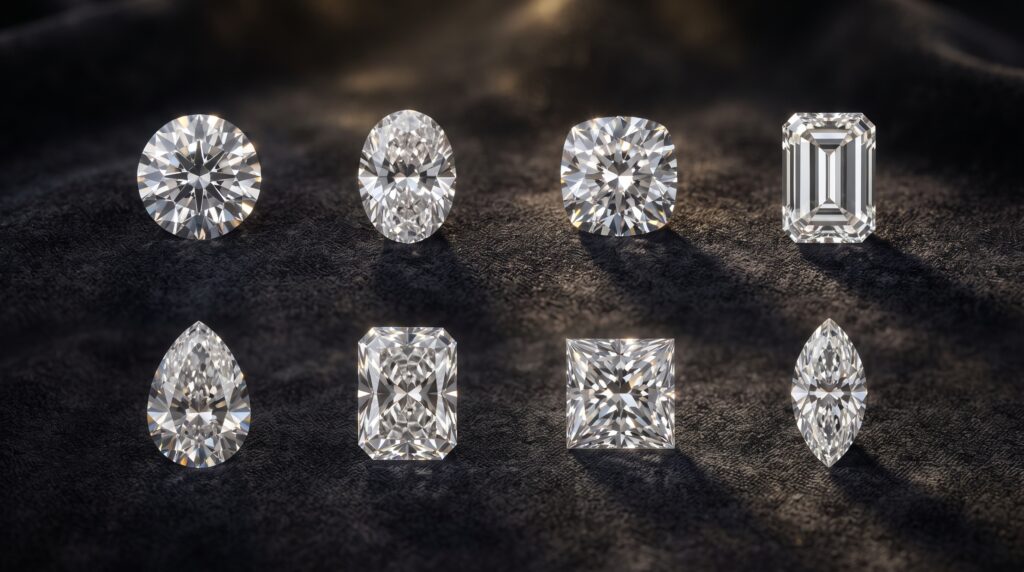
Not every shape moves at the same pace on a wholesale list, and honestly, that surprises some new buyers who assume demand is evenly spread. It isn’t. Here’s how the demand actually breaks down when you look at real order volume rather than what looks good in a showroom.
Round Brilliant
Round is still the anchor of most price lists, and it’s not close. It sells fastest at retail, full stop, and it’s the shape most buyers default to when they’re not sure what else to stock. To be fair, round diamonds still dominate engagement ring sales overall, so any serious usa diamond wholesale supplier keeps deep round inventory across every carat bracket, no exceptions. If a supplier is thin on round stock, that’s usually a red flag about their broader operation.
Oval Cut
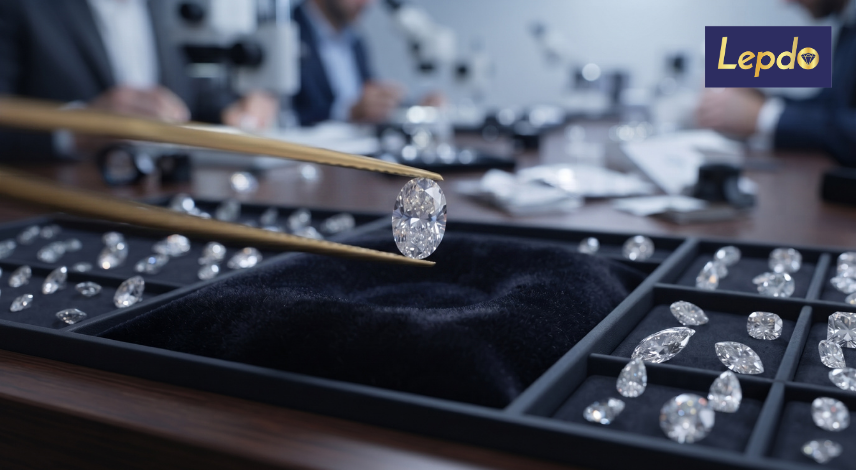
Oval has become the fastest-growing request I see from usa jewelry retailers lab diamonds buyers, mostly because it looks bigger per carat than a round stone of the same weight. It photographs beautifully too, which matters more than people realize now that so many purchases start on Instagram or Pinterest. Pay close attention to the length-to-width ratio here. Get it wrong and you end up with a visible bowtie effect that kills the whole look, no matter how clean the clarity grade is.
Cushion Cut
Cushion sells to buyers chasing vintage character without giving up fire and scintillation. It moves steadily across both fashion rings and heirloom-style pieces, which makes it a dependable stock item rather than a trend chaser that spikes and disappears. Retailers I talk to describe cushion as their “safe bet” shape, the one that never really goes cold even when other trends shift around it.
Past those three, emerald cut pulls buyers who want clean architectural lines for statement pieces, and it tends to appeal to a slightly older, more design-conscious customer. Pear does well in pendants and halo settings, and it’s picked up momentum among buyers who want something a little different from the standard round or oval. Radiant gives brilliance without sacrificing carat weight in the corners, making it a favorite for buyers who want maximum visual size for their budget.
Princess still has a loyal, budget-conscious following even if it’s less trendy than it used to be a decade ago. Marquise has quietly come back, tied to the elongated-finger jewelry trend that’s been building across fashion jewelry generally. Every shape has its own supply rhythm, and manufacturers who keep balanced stock across all eight tend to avoid the stockouts that make retail buyers go find another supplier fast.
Lab Grown Diamond Wholesale vs Natural Diamond Wholesale: The Real Difference
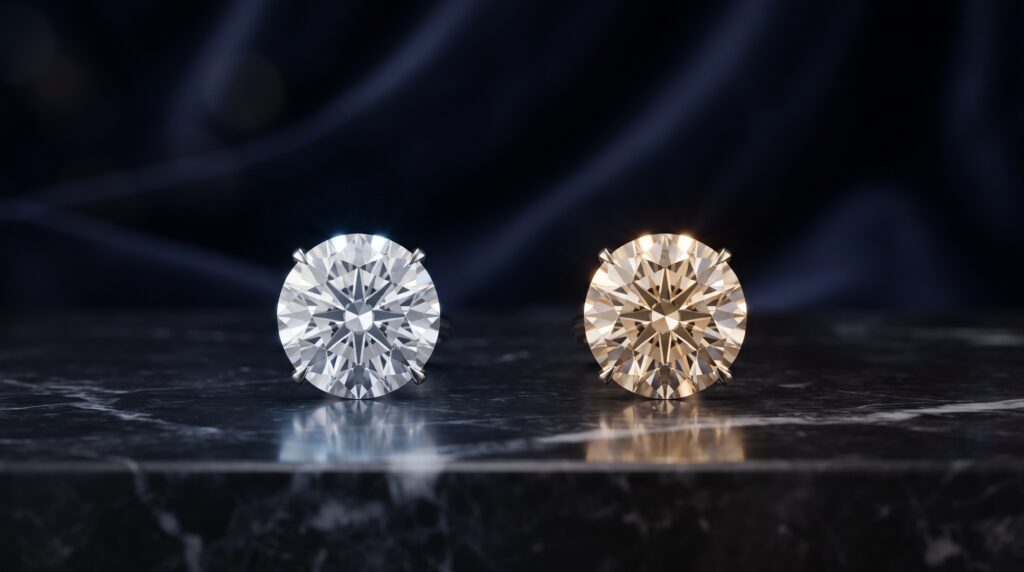
People ask me constantly how sourcing lab-grown stock differs from buying natural diamonds wholesale. It’s a bigger gap than just the price tag, even though price is usually what starts the conversation.
| Factor | Lab-Grown Wholesale | Natural Diamond Wholesale |
|---|---|---|
| Price per carat | 60 to 85% lower on average | Higher, tied to mining supply |
| Supply consistency | Predictable, production-based | Variable, dependent on mine output |
| Certification standard | IGI, GIA lab-grown reports | GIA, AGS natural reports |
| Markup structure | Fewer middlemen, tighter margins | Longer traditional supply chain |
| Growth rate in USA market | Rising steadily year over year | Flat to slightly declining |
The truth is, price is what gets a buyer’s attention first, but it’s supply consistency that keeps them coming back season after season. A retailer who can’t restock a shape their customers keep asking for loses those sales anyway, regardless of how good the original pricing looked on paper. That’s a big reason wholesale lab diamonds usa buyers now lean toward manufacturers with actual production control instead of resellers working off someone else’s leftover parcel. Most buyers… don’t think about production control until they get burned by a supplier who can’t fulfill a reorder, and by then they’ve already lost momentum with their own customers.
How to Choose the Right Lab-Grown Diamonds for Your Sourcing Needs
Whether you’re stocking a store or picking a stone for yourself, it usually comes down to the same six things. I’ve watched buyers skip straight to budget and regret it later, so try to work through these roughly in order.
- Personal style or physical fit. Shape reads differently depending on hand size, so match accordingly, whether that’s for a customer base you’re stocking for or yourself.
- Setting compatibility. Emerald cut and other step cuts show inclusions more easily, so they need cleaner clarity grades to hold up in open settings without looking flawed.
- Use-case compatibility. Bridal inventory calls for different shapes than fashion or stackable rings do, and mixing those categories on one price sheet tends to create confusion for buyers.
- Budget advantage versus alternatives. Lab-grown pricing means bigger carat weight for the same money you’d spend on a smaller natural stone, which is often the entire pitch to a hesitant customer.
- Occasion. Engagement stock, fashion pieces, and investment-style commercial orders each pull from different parts of inventory, and treating them as one category leads to mismatched purchasing.
- Lab-grown versus natural sourcing. Most volume buyers now default to Lab Grown Diamonds simply because production timelines are far more predictable than waiting on mined supply that depends on factors nobody in the supply chain can control.
Before you finalize your choice, pull actual grading reports instead of trusting a supplier’s shape and color description at face value. Numbers on paper protect you a lot more than a good sales pitch does, and any supplier hesitant to hand over full reports is telling you something worth listening to.
What B2B Buyers and Diamond Manufacturers Should Know
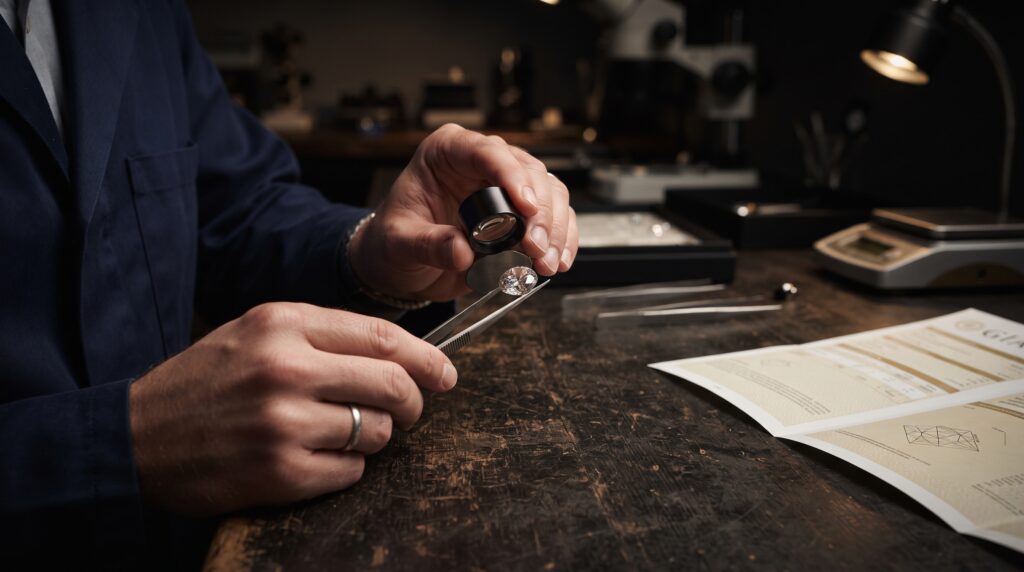
This part is for the retailers and wholesalers reading, not the end consumer, so I’ll skip the basics and get straight to what actually matters at scale.
Bulk sourcing rewards buyers who look at cut grading consistency across an entire parcel, not just one hero stone the supplier hands you as a sample. If five stones look excellent but the rest of the shipment is inconsistent, that’s not a supplier worth a second purchase order, no matter how good that first impression felt. Manufacturers like Lepdo Diamonds, based in Surat’s diamond manufacturing hub, typically grade CVD and HPHT stones against IGI and GIA standards before a parcel ever ships, which is exactly the kind of practice that saves retailers from ugly surprises three weeks into a busy season.
Rapaport pricing still works as a reference point for lab-grown stones, even though lab-grown pricing has drifted pretty far from natural diamond Rapaport lists over the last couple of years. Think of it this way: Rapaport gives you a baseline to argue from, not a fixed price you should expect every supplier to match exactly. In my experience, buyers who track Rapaport alongside real supplier quotes negotiate noticeably better than buyers who just accept list price without pushing back.
If you’re building or refreshing a relationship with a fancy cut diamond manufacturer, look into their Lab Grown Diamonds Manufacturers track record and production capacity before committing to volume. The broader Diamond Industry tends to reward buyers who vet suppliers upfront rather than after a shipment goes wrong and inventory gaps start costing them sales during peak season.
Lab-Grown Diamond Jewelry Trends in the USA (2026 to 2027)
Design is moving toward mixed-metal settings, bezel-set solitaires, and elongated fancy shapes on thin, tapered bands. Vintage halo settings haven’t disappeared, but the newer wave favors cleaner lines with noticeably less visible metal overall, which changes how retailers should be thinking about their display cases and marketing photography.
Celebrity engagement announcements still move the needle almost instantly, with oval and cushion shapes seeing real search spikes right after high-profile ring reveals. That kind of cultural influence isn’t new to the jewelry business, but the speed of the reaction has changed dramatically now that everything gets photographed and shared within hours. Industry estimates now put lab-grown diamonds at well over half of all US engagement ring unit sales, a number that would have sounded far-fetched just five years back.
If you’re stocking a fancy cut diamond jewellery line, elongated shapes on pave bands are outperforming plain-band settings this season, and that gap seems to be widening rather than narrowing. A Diamond Retailer paying attention to these shifts usually starts weighting inventory toward ovals, radiants, and cushions well before Q4 engagement season hits, rather than scrambling to catch up once demand spikes.
How to Evaluate Quality in Lab-Grown Diamonds
When I assess a lab-grown diamond, the first thing I check isn’t color or clarity grade. It’s light performance. A stone can carry an impressive grade on paper and still look flat and lifeless the moment it’s out from under jewelry-store spotlighting.
Here’s what I look for in practice, roughly in the order I check it:
- Cut quality first. Confirm Excellent or Very Good before anything else. Poor proportions kill brilliance no matter what the clarity grade says on the report.
- Table and depth percentage. A table between 54 and 60% and depth between 60 and 62.5% tends to produce the strongest fire and scintillation on round brilliants specifically.
- Pavilion angle. An uneven pavilion leaks light, and that shows up as dark patches instead of sparkle, which is easy to miss under bright showroom lighting.
- Bowtie check. Ovals, pears, and marquise cuts need to be checked for bowtie severity under natural daylight, not just store lighting, since store lighting tends to mask it.
- Certification verification. Always confirm the report against a recognized lab before buying. If you’re not confident reading a report yet, our Diamond Certification guide breaks down what IGI and GIA reports actually mean line by line.
Conclusion
The lab grown diamond wholesale USA market has gone from a curiosity to a core sourcing channel, and the numbers back it up at every level of the supply chain. Pricing advantages over natural stones, growing shape diversity across oval, cushion, and radiant, and tighter certification standards from GIA and IGI have all pushed usa lab grown diamond demand into steady growth heading into 2026 and 2027.
Retailers who treat sourcing as an ongoing relationship rather than a one-off transaction tend to handle supply gaps a lot better than the ones chasing whoever quotes the lowest price that week. That means checking cut consistency, confirming certification, and actually understanding Rapaport-adjacent pricing before placing anything large enough to matter to your bottom line.
For wholesale inquiries on fancy shapes and IGI-certified stones, explore our lab-grown diamond collection at Lepdo Diamonds for current shape and carat availability. This market rewards buyers who do their homework, and that homework starts with knowing exactly what you’re grading, certifying, and selling before the order ever gets placed.
Frequently Asked Questions About the Lab Grown Diamond Wholesale USA Market
1. What is the lab grown diamond wholesale USA market?
It’s the B2B sourcing network where certified lab-grown diamond manufacturers and distributors sell loose diamonds to American retailers, jewelers, and bulk buyers at below-retail pricing. Buyers typically purchase parcels rather than single stones, often working directly with production facilities. This channel has expanded quickly since 2023 as retail demand for lab-grown stones grew steadily across the country.
2. Is lab grown diamond wholesale cheaper than natural diamond wholesale?
Yes, lab-grown diamonds wholesale for roughly 60 to 85% less per carat than comparable natural diamonds. The gap comes down to faster, more predictable production versus mining supply constraints that natural stones can’t escape. This price advantage is a big driver behind usa lab grown diamond demand since 2024.
3. Which lab-grown diamond shape looks biggest or most impressive?
Oval and marquise generally look largest for their carat weight because of their elongated face-up surface area. Radiant cut also performs well on perceived size while keeping strong brilliance across the stone. Round brilliant, by comparison, tends to look smaller than its actual carat weight suggests to most viewers.
4. Does a lab-grown diamond have a GIA cut grade?
Yes, GIA grades lab-grown diamonds using the same cut, color, and clarity standards it applies to natural diamonds, just labeled clearly as laboratory-grown on the report. IGI also issues detailed lab-grown reports and is actually the more commonly used lab among wholesale lab diamonds usa buyers today.
5. What is the biggest quality risk with lab grown diamond wholesale?
Inconsistent cut grading across a bulk parcel is the biggest risk. A handful of sample stones might look excellent while the rest of the order varies quite a bit once it arrives. Ask for full parcel grading breakdowns, not just certificates on the hero stones, before finalizing large orders.
6. Are lab-grown diamonds as good as natural diamonds?
Chemically and optically, yes. Lab-grown diamonds share the same crystal structure, hardness, brilliance, and fire as natural diamonds in every measurable way. The only meaningful difference is origin and price, and both types are graded against the same 4Cs criteria regardless of how they formed.
7. Which lab-grown diamond shape is best for an engagement ring?
Round brilliant and oval remain the top choices in the USA market, with cushion cut close behind both of them. There’s no single “best” shape objectively, so it really comes down to personal style, hand shape, and setting preference more than anything else.
8. How do I choose a reliable lab grown diamond manufacturer or supplier?
Look for IGI and GIA certification as standard practice, transparent pricing referenced against Rapaport, and consistent cut grading across full parcels instead of just single samples. Request a sample order before committing to anything bulk, and confirm the supplier can trace stones back to an actual manufacturing facility rather than an unnamed source.