• Diamonds

    Fancy Shape Diamonds

    SHOP NOW

    Fancy Color Diamonds

    SHOP NOW

    Loose Diamonds

    SHOP NOW

    Certified Diamonds

    SHOP NOW

    Unique Cut Diamonds

    SHOP NOW
  • About
    • About us
    • Why Us
    • Our Customers
    • Workshop
    • Our Alliances
  • Support
    • FAQs
    • Size Chart
    • Our Policies
    • KYC Form
  • Resources
    • Blog
    • CSR Work
    • Glossary
  • Contact Us

Search

  • All categories

Search

  • All categories
Lepdo Logo
  • Home
  • Diamonds
    • Fancy Shape
    • Fancy Color
    • Loose Diamonds
    • Certified Diamonds
  • About Us
    • About us
    • Why Us
    • Our Customers
    • Workshop
    • Our Alliances
  • Support
    • Contact Us
    • FAQs
    • Size Chart
    • Our Policies
    • KYC Form
  • Resources
    • Blog
    • CSR Work
    • Glossary

Home / News / Turkey’s Diamond Jewelry Market: A Sourcing Guide for International Buyers

Turkey's Diamond Jewelry Market: A Sourcing Guide for International Buyers
News July 23, 2026

Turkey’s Diamond Jewelry Market: A Sourcing Guide for International Buyers

by lepdogroup@gmail.com 0 comments

The turkey diamond jewelry market Sourcing Guide refers to Turkey’s diamond and gold jewelry trade, centered in Istanbul’s Grand Bazaar and Kuyumcukent complex, serving both retail tourists and wholesale export buyers. American buyers care because pricing, craftsmanship, and gold-diamond combination styles differ sharply from Indian or Belgian supply chains. Lepdo Diamonds offers a certified, transparent alternative for sourcing comparison.

Turkey exported over 6 billion dollars in jewelry last year, and a good chunk of that never touched a diamond mine within a thousand miles. That is the strange part of the turkey diamond jewelry market that catches most American buyers off guard. Turkey does not produce diamonds. It imports rough and polished stones, then builds some of the most detailed gold-diamond jewelry in the world around them.

If you are a US retailer, wholesaler, or manufacturer thinking about Istanbul as a sourcing destination, you are not alone. Buyers from Miami to Los Angeles have started looking past traditional hubs and asking what Turkish jewelry manufacturers diamond supply chains actually offer. This guide breaks down how the market works, what to expect on certification, and where Turkey fits against alternatives like Surat, India.

You will learn the real difference between buying finished jewelry in Istanbul versus sourcing loose stones elsewhere and having them set locally in the US. We will also cover GIA and IGI certification standards, carat weight expectations, and pricing benchmarks tied to Rapaport. By the end, you should know exactly where Turkey belongs in your sourcing strategy, and where it does not.

What the Turkey Diamond Jewelry Market Is

The turkey diamond jewelry market is the network of manufacturers, wholesalers, and retail jewelers across Turkey, mainly concentrated in Istanbul, that design and produce gold and diamond jewelry for domestic sale and international export. Turkey imports almost all of its diamond rough and polished stock, then adds value through gold work, filigree detailing, and custom settings that reflect Ottoman and modern European design influences.

Quick Info Box

  • Definition: A jewelry manufacturing and trade hub that combines imported diamonds with locally crafted gold settings for domestic and export markets.
  • Key Types or Varieties: Grand Bazaar retail, Kuyumcukent wholesale production, bridal jewelry houses, export-focused fine jewelry manufacturers.
  • Best For: Buyers wanting gold-heavy diamond designs, bridal sets, and custom Ottoman-inspired styles.
  • Key Difference or Advantage: Turkey excels at gold craftsmanship paired with diamonds, rather than loose diamond cutting or polishing.

For buyers comparing global sourcing options, Lepdo Diamonds works from the opposite end of that supply chain, focusing on certified loose diamonds rather than finished gold jewelry. Knowing both ends of that chain matters before you commit to either one.

Most Popular Types and Sourcing Channels in Turkey And Who They Are For
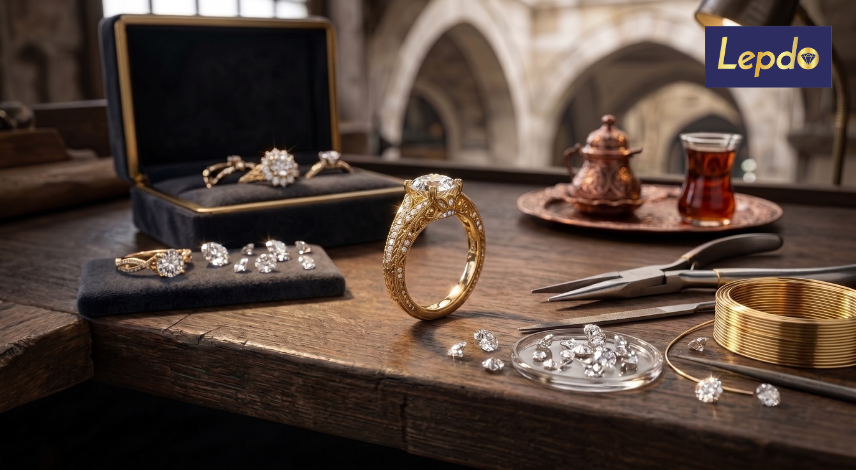
Turkey Diamond Jewelry Market: Sourcing Guide

Turkey’s jewelry trade is not one single market. It splits into distinct channels, and each one serves a different type of buyer.

Istanbul Grand Bazaar Retail

This is the tourist-facing side of the market, full of finished pieces sold at counter prices. It works well for small consumer buyers or collectors picking up one-off statement pieces, but it is a poor fit for bulk B2B sourcing since pricing is negotiated piece by piece rather than quoted on a scale.

Kuyumcukent Wholesale District

Kuyumcukent is Istanbul’s dedicated jewelry manufacturing zone, built specifically for export-scale production. Most serious istanbul jewelry trade sourcing happens here, where factories produce bridal sets, gold chains with diamond accents, and custom orders for international brands.

Bridal and Fine Jewelry Houses

These manufacturers specialize in engagement rings and wedding sets, often blending 22K gold traditions with Western-style diamond solitaires. They are a strong fit for US bridal retailers wanting a distinct look outside the standard round-brilliant template.

Beyond these three, Turkey also has a growing custom design segment building modern pieces with unconventional shapes, along with a smaller but interesting niche in Diamond Body Jewelry pieces for fashion-forward buyers exploring nose studs and ear cuffs set with small accent stones. Export-only manufacturers round out the list, working exclusively with international B2B accounts and rarely selling to walk-in customers. Each channel serves a different buyer profile, so matching your business model to the right one matters more than most first-time sourcing trips account for.

Turkey vs India (Surat) The Real Difference
Turkey vs India (Surat) The Real Difference

Most buyers eventually compare Turkey against India, since Surat remains the world’s largest diamond cutting and polishing center. The truth is these two markets barely compete directly. They complement each other.

FactorTurkeyIndia (Surat)
Core strengthGold jewelry craftsmanshipDiamond cutting and polishing volume
Diamond sourcingMostly imported, finishedCut, polished, and certified domestically
Price advantageLabor and design premiumLower per-carat manufacturing cost
Certification accessAvailable, less standardizedWidespread IGI and GIA infrastructure
Best use caseFinished bridal and fashion jewelryLoose diamonds and bulk fancy shapes

Buyers looking to import diamonds to turkey from india often do so specifically to feed local gold jewelry production, since Turkish manufacturers prefer working with already-graded stones rather than rough. To be fair, Turkey’s design sensibility for gold work is genuinely distinct and hard to replicate elsewhere. But if your priority is loose diamond volume, certified fancy shapes, or lab-grown stock at competitive pricing, a hub covered in detail on the Diamond Jewelry Manufacturing Surat page is built specifically for that purpose in ways Istanbul’s gold-focused factories are not.

How to Choose the Right Turkey Diamond Jewelry Supplier for Your Business

Picking a supplier in this market takes more than a Google search and a factory tour. Here is what actually matters when narrowing down options.

  1. Design style fit. Turkish manufacturers lean into detailed goldwork, filigree, and layered metal designs. Confirm this matches your brand’s aesthetic before committing to a sample order.
  2. Production capacity. Kuyumcukent factories vary wildly in scale. Ask for minimum order quantities upfront since some shops are built for boutique runs, not thousands of units.
  3. Setting and mounting compatibility. If you are shipping loose diamonds in for local setting, confirm the manufacturer’s mounting techniques match your quality bar, especially for prong height and metal purity stamps.
  4. Budget positioning against alternatives. Turkish gold-diamond jewelry often carries a labor premium compared to Surat manufacturing. Weigh that against the design differentiation you are actually getting.
  5. Occasion and end-use. Bridal, fashion, or investment-grade jewelry each demand different supplier relationships. A bridal specialist may not be the right fit for a fashion-forward diamond retail line.
  6. Lab-grown vs natural sourcing. Ask directly whether the diamonds feeding into your jewelry are natural or lab-grown, since Turkish manufacturers increasingly source both, and pricing swings significantly between the two.

Most buyers skip that last question and regret it later when certification paperwork does not match expectations. Before you finalize your choice, request documentation on where the diamonds themselves originated, not just where the setting was made. For a broader look at how loose diamonds move globally before reaching markets like Turkey, the Diamond Supply Chain resource breaks this down in more detail, and it is worth reading before you sign anything.

What B2B Buyers and Diamond Manufacturers Should Know
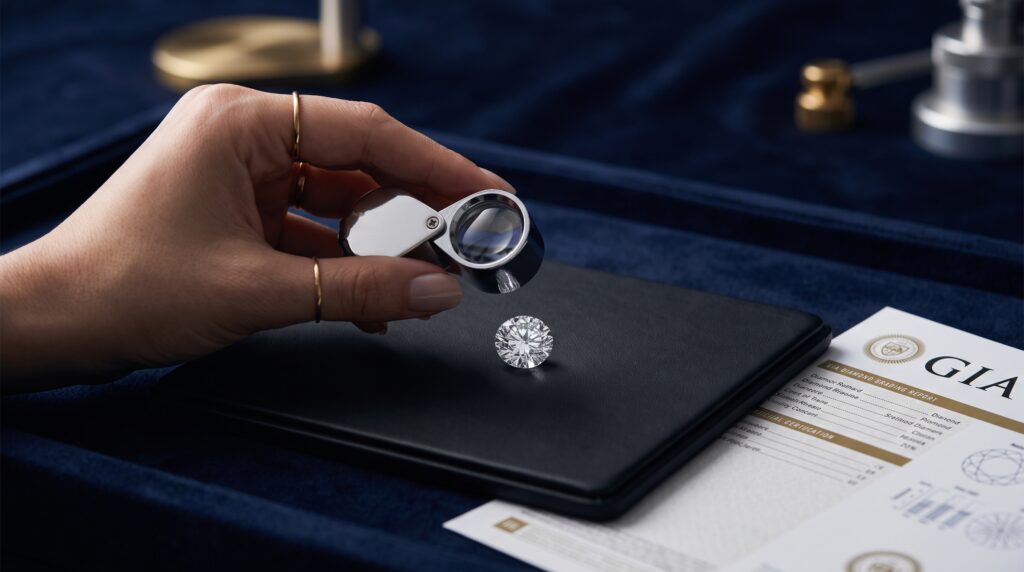
What B2B Buyers and Diamond Manufacturers Should Know

Understanding the Turkey Diamond Jewelry Market: Sourcing Guide is essential for wholesale buyers, importers, and jewelry manufacturers looking to source high-quality diamond jewelry from Turkey. Wholesale buyers and manufacturers need a different lens on this market than retail consumers do. Bulk sourcing through Kuyumcukent typically requires in-person relationship building, since many factories still prefer face-to-face negotiation over email quotes. Cut grading consistency can vary between smaller workshops, so requesting IGI or GIA paperwork on the diamond component specifically, separate from the finished jewelry invoice, helps protect you from mismatched quality claims.

Rapaport pricing still anchors most loose diamond negotiations within Turkish workshops because manufacturers typically purchase polished diamonds from international suppliers before setting them into finished jewelry. In my experience working alongside sourcing teams, one of the biggest mistakes U.S. buyers make is assuming Turkish jewelry pricing includes the same certification standards and grading transparency offered by a dedicated fancy-cut diamond manufacturer supplying loose stones.

Payment terms also differ from what many first-time importers expect. Many Kuyumcukent factories still prefer an upfront deposit via wire transfer before production begins, with the remaining balance due before shipment. Freight, insurance, and customs handling through Istanbul add another layer of cost that often does not appear in the initial quotation. A comprehensive Turkey Diamond Jewelry Market: Sourcing Guide recommends calculating the total landed cost, including logistics, duties, and certification expenses, before comparing Turkish sourcing with diamond manufacturing hubs such as Surat, India.

Manufacturers like Lepdo Diamonds, based in Surat’s diamond manufacturing hub, typically issue IGI and GIA certified lab-grown stones as standard practice, which gives B2B buyers a documented benchmark to compare against when evaluating Turkish finished-jewelry claims. For buyers weighing wholesale channels generally, the Diamond Wholesale glossary page outlines how pricing tiers typically work across international markets. Buyers who also care about sourcing practices beyond price should check the Ethical Diamond Sourcing glossary before finalizing any bulk order, since traceability standards differ noticeably between Turkish and Indian supply chains.

Language barriers can also slow negotiations more than buyers anticipate, especially with smaller family-run workshops outside the main export zone. Bringing a local agent or translator to initial meetings often pays for itself in avoided misunderstandings over specs and delivery timelines.

Turkey Diamond Jewelry Trends in the USA (2026 to 2027)

American demand for Turkish-style jewelry has shifted noticeably over the past two years. Layered gold pieces with small diamond accents, rather than single large center stones, are gaining traction among younger buyers who want everyday wearability over formal statement pieces.

Bridal design is borrowing more from Ottoman-era motifs, with halo settings incorporating filigree gold bands instead of plain platinum. Cultural influence from social media and celebrity styling has pushed this look into mainstream American bridal catalogs faster than most retailers anticipated. Industry reporting has pointed to double-digit growth in Turkey’s jewelry exports to North America over recent years, a trend that shows no sign of slowing.

Stacking has also become a defining habit among American buyers, with several thin gold-diamond bands worn together instead of one dominant piece. Retailers report that customers now ask for mix-and-match sets rather than single statement rings, which plays directly into Turkey’s strength in producing layered gold designs at scale. This shift toward versatile, everyday pieces looks likely to keep pulling US buyers toward Turkish manufacturers through 2027.

Retailers watching broader style shifts across the diamond category will find useful context in the Diamond Jewelry Trends glossary, which tracks how fancy cut diamond jewellery preferences are evolving across US markets more generally, not just within Turkish-influenced design.

How to Evaluate Quality in Turkish Diamond Jewelry

When I assess a piece of Turkish-manufactured jewelry, the first thing I check is whether the diamond’s paperwork actually matches the stone in the setting. That single step catches more problems than any visual inspection ever will.

  1. Confirm certification separately from the jewelry invoice. A GIA or IGI report should reference the exact carat weight, clarity grade, and color you are seeing.
  2. Check light performance in person. Brilliance, fire, and scintillation should read clearly under normal indoor lighting, not just jeweler’s spotlights.
  3. Review pavilion and table percentages. Poor pavilion depth causes light leakage, which shows up as a dull or dark center even in a well-cut stone.
  4. Inspect for a bowtie effect in fancy shapes like ovals or marquise cuts, since this is common and affects perceived brilliance.
  5. Verify the length-to-width ratio matches what was promised, especially in custom fancy shapes.

You will want to pay attention to depth percentage specifically, since Turkish setters sometimes prioritize gold aesthetics over optimal diamond proportions. For buyers wanting a certification baseline before comparing Turkish jewelry claims, the Diamond Retail glossary offers a useful reference point on how grading consistency is typically maintained at the consumer level.

Conclusion

The Turkey Diamond Jewelry Market: Sourcing Guide highlights an important reality: Turkey’s jewelry trade has earned its global reputation through exceptional gold craftsmanship rather than diamond cutting, and understanding that distinction changes how you should approach sourcing from day one. Buyers seeking large volumes of certified loose diamonds or fancy-cut stones will often find Surat’s manufacturing ecosystem a better fit, while those looking for distinctive gold-diamond bridal or fashion jewelry have compelling reasons to source from Istanbul. Regardless of the market you choose, certification transparency remains the single most important factor separating a successful sourcing partnership from an expensive mistake.

As this Turkey Diamond Jewelry Market: Sourcing Guide demonstrates, the best sourcing decisions come from matching the right market to the right product rather than assuming one region is universally better. A U.S. retailer developing a bridal collection centered on intricate gold craftsmanship may gain more value from Kuyumcukent than from a diamond-cutting hub designed primarily for loose stone production. At the same time, both markets reward buyers who ask detailed questions about certification, grading, production timelines, and documentation before placing an order. Careful supplier vetting almost always delivers greater long-term savings than choosing the lowest initial quotation.

Retailers and manufacturers comparing Turkish jewelry sourcing with certified loose diamond suppliers can explore Lepdo Diamonds’ current inventory as a transparent benchmark for quality and documentation. Whether you’re evaluating Istanbul, Surat, or another global sourcing destination, this Turkey Diamond Jewelry Market: Sourcing Guide reinforces one principle above all: the smartest buyers ask for certification, grading reports, and complete paperwork before they ask about price.

Frequently Asked Questions About the Turkey Diamond Jewelry Market

1. What is the turkey diamond jewelry market?

It is Turkey’s network of gold and diamond jewelry manufacturers, centered mainly in Istanbul, that import diamond rough and polished stones and add value through detailed gold craftsmanship. The market serves both domestic retail buyers and international wholesale export accounts, with Kuyumcukent as its primary production zone.

2. Is Turkish diamond jewelry cheaper than Indian diamond jewelry?

Not typically for loose diamonds. Turkey often carries a labor and design premium on finished gold-diamond jewelry, while India, especially Surat, offers lower per-carat costs on loose stones due to cutting and polishing infrastructure built specifically for volume production.

3. Which Turkish jewelry style looks biggest or most impressive?

Halo settings with filigree gold detailing tend to read as the most visually substantial, since the gold framework adds perceived size around a smaller center diamond. This style has become especially popular in US bridal catalogs recently.

4. Does Turkish diamond jewelry come with a GIA cut grade?

It can, but not always as standard practice. Buyers should specifically request GIA or IGI documentation for the diamond component, since some smaller Turkish workshops issue jewelry invoices without separate stone-level certification.

5. What is the biggest quality risk with Turkey diamond jewelry market sourcing?

Mismatched or missing certification for the diamond component is the top risk. Finished jewelry invoices sometimes bundle vague stone descriptions without a verifiable GIA or IGI report, making it hard to confirm actual clarity grade or carat weight.

6. Are lab-grown diamonds in Turkish jewelry as good as natural ones?

Optically, yes. Lab-grown diamonds share the same brilliance, fire, and hardness as natural stones, and Turkish manufacturers increasingly use both. The distinction matters mainly for pricing and disclosure, not visual or physical quality.

7. Which sourcing channel is best for engagement rings from Turkey?

Dedicated bridal jewelry houses within Kuyumcukent are the strongest fit, since they specialize in ring construction and typically offer more consistent metal purity stamps and stone-setting quality than tourist-facing Grand Bazaar retailers.

8. How do I choose a reliable turkey diamond wholesale suppliers option?

Start by requesting stone-level certification, checking minimum order quantities, and confirming whether diamonds are natural or lab-grown. Visiting Kuyumcukent in person and comparing multiple manufacturers before committing to a bulk order remains the most reliable approach.
Share Tweet Pin it Linkedin
previous post
Italy’s Jewelry Market: A Sourcing Guide for Lab Grown Diamonds from India
next post
Australia Lab Grown Diamond Wholesale Guide: Sourcing from India for Retailers

Related Post

Diamond birefringence testing with a loose round diamond, gemological tools, and an optical grading diagram.
News
Diamond Birefringence: How Double Refraction Affects Diamond Quality
Laboratory testing demonstrating CVD Diamond Spectroscopy & Crystal Physics on a faceted stone.
News
Diamond Crystal Physics, Spectroscopy & Material Science.
Tiffany Setting Guide featuring a six-prong solitaire diamond ring on deep navy velvet.
News
Tiffany Setting Guide: What Jewelry Retailers Need to Know About This Iconic Ring Style
diamonds vs emeralds retailers comparison guide
News
Diamonds vs Emeralds: Profit and Demand Comparison for Jewelry Retailers
Pearls vs Diamonds
News
Pearls vs Diamonds: Which Gemstone is Better for Jewelry Retailers?
Diamond Milky Effect: How to Identify and Avoid Milky Diamonds When Buying Wholesale
News
Diamond Milky Effect: How to Identify and Avoid Milky Diamonds When Buying Wholesale
VS2 Diamond: Is It the Best Value Clarity Grade for Jewelry Retailers?
News
VS2 Diamond: Is It the Best Value Clarity Grade for Jewelry Retailers?
VVS1 vs VVS2 vs VS1 vs VS2 Diamond Clarity: Full Retailer and Buyer Guide
News
VVS1 vs VVS2 vs VS1 vs VS2 Diamond Clarity: Full Retailer and Buyer Guide
SGL Diamond Certificate: Complete B2B Buyer Guide
News
SGL Diamond Certificate: Complete B2B Buyer Guide
Do Diamonds Conduct Electricity? The Science Every Buyer Should Know
News
Do Diamonds Conduct Electricity? The Science Every Buyer Should Know
What Is a Diamond Pendant? Complete Guide for Jewelry Retailers
News
What Is a Diamond Pendant? Complete Guide for Jewelry Retailers
AI in Diamond Production and Grading: What's Changing in 2026
News
AI in Diamond Production and Grading: What’s Changing in 2026
lab grown diamond certification importance
News
Lab Grown Diamond Certification: Why It’s Becoming Non-Negotiable for Buyers in 2026
Why Smart Retailers Are Avoiding the Lab Diamond Price War in 2026
News
Why Smart Retailers Are Avoiding the Lab Diamond Price War in 2026
Micro-Pavé Lab Diamond Jewelry: 2026's Fastest-Growing Wholesale Category
News
Micro-Pavé Lab Diamond Jewelry: 2026’s Fastest-Growing Wholesale Category
Mixed diamond shape tennis bracelet with alternating round and pear cut diamonds
News
Mixed Diamond Shapes: The Tennis Bracelet and Necklace Trend Retailers Should Stock
2 carat lab grown diamond ring trend
News
Bigger, Bolder, Better Value : Why More Couples Are Choosing 2-3 Carat Lab Grown Centre Stones in 2026
Why Lab Grown Diamonds Are Now the Default Choice for US Engagement Rings
News
Why Lab Grown Diamonds Are Now the Default Choice for US Engagement Rings
Lab Grown Diamond Carbon Footprint vs Mined Diamonds: The Real Environmental Comparison
News
Lab Grown Diamond Carbon Footprint vs Mined Diamonds: The Real Environmental Comparison
How to Test If a Diamond is Lab Grown
News
How to Test If a Diamond is Lab Grown: A Complete Diamond Tester Guide
Are Lab Grown Diamonds Conflict-Free
News
Are Lab Grown Diamonds Conflict-Free? The Kimberley Process Explained
Halo Setting Diamond Rings: A Wholesale Buying Guide for Retailers
News
Halo Setting Diamond Rings: A Wholesale Buying Guide for Retailers
Prong vs Bezel vs Pave Setting: A Buying Guide for Jewelry Retailers
News
Prong vs Bezel vs Pave Setting: A Buying Guide for Jewelry Retailers
Private Label Lab Grown Diamond Jewelry Manufacturing Guide for Retailers and Brands
News
Private Label Lab Grown Diamond Jewelry Manufacturing Guide for Retailers and Brands
IIJS Mumbai Jewellery Show Guide for International Buyers: What to Expect and How to Prepare
News
IIJS Mumbai Jewellery Show Guide for International Buyers: What to Expect and How to Prepare
MOQ in Diamond Wholesale: How Much Should You Order as a B2B Buyer
News
MOQ in Diamond Wholesale: How Much Should You Order as a B2B Buyer
Incoterms for Diamond Export: FOB vs CIF Explained for International Buyers
News
Incoterms for Diamond Export: FOB vs CIF Explained for International Buyers
Diamond Carat to MM Size Chart: Convert Carat Weight to Millimeter Diameter
News
Diamond Carat to MM Size Chart: Convert Carat Weight to Millimeter Diameter
Diamond Brilliance, Fire and Scintillation Explained: What Makes a Diamond Sparkle
News
Diamond Brilliance, Fire and Scintillation Explained: What Makes a Diamond Sparkle
Diamond Cut Grade Guide: Excellent vs Very Good vs Good Explained for Buyers
News
Diamond Cut Grade Guide: Excellent vs Very Good vs Good Explained for Buyers
Australia Lab Grown Diamond Wholesale Guide: Sourcing from India for Retailers
News
Australia Lab Grown Diamond Wholesale Guide: Sourcing from India for Retailers
Turkey's Diamond Jewelry Market: A Sourcing Guide for International Buyers
News
Turkey’s Diamond Jewelry Market: A Sourcing Guide for International Buyers
Italy's Jewelry Market: A Sourcing Guide for Lab Grown Diamonds from India
News
Italy’s Jewelry Market: A Sourcing Guide for Lab Grown Diamonds from India
How Canadian Jewelers Can Source Lab Grown Diamonds from India: Complete Guide
News
How Canadian Jewelers Can Source Lab Grown Diamonds from India: Complete Guide
UK Diamond Import Guide for Jewelry Retailers: Sourcing Lab Grown Diamonds from India
News
UK Diamond Import Guide for Retailers: Sourcing Lab Grown Diamonds from India
Lab Grown Diamond Suppliers for Israel's Jewelry Trade: A Sourcing Guide for B2B Buyers
News
Lab Grown Diamond Suppliers for Israel’s Jewelry Trade: A Sourcing Guide for B2B Buyers
How to Import Diamonds from India to the USA: A Step-by-Step Guide for B2B Buyers
News
How to Import Diamonds from India to the USA: A Step-by-Step Guide for B2B Buyers
Diamond Import Duties in the USA for Lab Grown Diamonds: What B2B Buyers Need to Know
News
Diamond Import Duties in the USA for Lab Grown Diamonds : What B2B Buyers Need to Know
Lab Grown Diamond vs Natural Diamond Wholesale : A Cost and Margin Comparison for Retailers
News
Lab Grown Diamond vs Natural Diamond Wholesale : A Cost and Margin Comparison for Retailers
Are Lab Grown Diamonds Worth Buying Wholesale? A Profitability Analysis for Retailers
News
Are Lab Grown Diamonds Worth Buying Wholesale? A Profitability Analysis for Retailers
How Are Lab Grown Diamonds Made? The Complete Science Behind CVD and HPHT Diamonds
News
How Are Lab Grown Diamonds Made? The Complete Science Behind CVD and HPHT Diamonds
Lab Grown Diamond Quality Grades for B2B Buyers: A Practical Grading Guide for Retailers
News
Lab Grown Diamond Quality Grades for B2B Buyers: A Practical Grading Guide for Retailers
HPHT Diamond Process Guide: How High Pressure High Temperature Diamonds Are Made
News
HPHT Diamond Process Guide: How High Pressure High Temperature Diamonds Are Made
CVD Diamond Manufacturing Process Explained: How Chemical Vapor Deposition Creates Diamonds
News
CVD Diamond Manufacturing Process Explained: How Chemical Vapor Deposition Creates Diamonds
Lab Grown Diamond Wholesale Market in the USA: Trends, Demand and Sourcing Insights for 2026
News
Lab Grown Diamond Wholesale Market in the USA: Trends, Demand and Sourcing Insights for 2026
How to Buy Diamonds in Bulk: A Step-by-Step Guide for Wholesale Buyers
News
How to Buy Diamonds in Bulk: A Step-by-Step Guide for Wholesale Buyers
US-India Diamond Tariff Deal 2026: What It Means for Lab Grown Diamond Buyers
News
US-India Diamond Tariff Deal 2026: What It Means for Lab Grown Diamond Buyers
Diamond Parcel Buying Guide: How to Evaluate and Purchase Diamond Parcels Wholesale
News
Diamond Parcel Buying Guide: How to Evaluate and Purchase Diamond Parcels Wholesale
How to Source Diamonds from India: A Complete B2B Guide for International Buyers
News
How to Source Diamonds from India: A Complete B2B Guide for International Buyers
How to Start a Diamond Import Business in the USA: Complete Step-by-Step Guide
News
How to Start a Diamond Import Business in the USA: Complete Step-by-Step Guide
How to Choose the Right Lab Grown Diamond Supplier: 10 Things Jewelry Retailers Must Check
News
How to Choose the Right Lab Grown Diamond Supplier: 10 Things Jewelry Retailers Must Check
Lab Grown Diamond Wholesale Price Guide 2026: How Much Do Lab Diamonds Cost at B2B Level?
News
Lab Grown Diamond Wholesale Price Guide 2026: How Much Do Lab Diamonds Cost at B2B Level?
How to Import Lab Grown Diamonds from India: Step-by-Step Guide for USA, UK and UAE Buyers
News
How to Import Lab Grown Diamonds from India: Step-by-Step Guide for USA, UK and UAE Buyers
Lab Grown Diamond Resale Value: What Retailers and Investors Need to Know in 2026
News
Lab Grown Diamond Resale Value: What Retailers and Investors Need to Know in 2026
Lab Grown Diamonds Last Forever
News
Do Lab Grown Diamonds Last Forever? Are They Real Diamonds? Complete Guide
VVS1 vs VVS2 vs VS1 vs VS2 Diamond Clarity
News
VVS1 vs VVS2 vs VS1 vs VS2 Diamond Clarity: Complete Guide for Buyers and Retailers
HRD Diamond Certificate
News
HRD Diamond Certificate: What is HRD Antwerp Certification and How Does It Compare to IGI and GIA?
Is SGL Certification Reliable for Lab Grown Diamonds
News
SGL Certificate Explained: Is SGL Certification Reliable for Lab Grown Diamonds?
Which Diamond Certification Should You Trust
News
IGI vs GIA vs SGL Certificate: Which Diamond Certification Should You Trust?
Melee Diamonds Wholesale from India: How to Source Small Diamonds for Jewelry Manufacturing
News
Melee Diamonds Wholesale from India: How to Source Small Diamonds for Jewelry Manufacturing
The Future of Diamond Industry in India: Trends, Growth and Opportunities in 2026 and Beyond
News
The Future of Diamond Industry in India: Trends, Growth and Opportunities in 2026 and Beyond
Round Diamonds Are India's Top Export
News
Round Brilliant Diamond Suppliers in India: Why Round Diamonds Are India’s Top Export
Lab Grown Diamond Price in India 2026
News
Lab Grown Diamond Price in India 2026: How Much Do Lab Diamonds Cost Compared to Natural?
Buy Diamonds Online in India: Tips for Getting the Best Quality at the Right Price
News
How to Buy Diamonds Online in India: Tips for Getting the Best Quality at the Right Price
Surat Diamond Bourse: Why It's the World's Largest Diamond Trading Hub
News
Surat Diamond Bourse: Why It’s the World’s Largest Diamond Trading Hub
Diamond Jewelry Manufacturers in Surat: From Raw Diamonds to Finished Jewelry
News
Diamond Jewelry Manufacturers in Surat: From Raw Diamonds to Finished Jewelry
Fancy Color Lab Grown Diamonds in India: Yellow, Pink, Blue and More at Wholesale Prices
News
Fancy Color Lab Grown Diamonds in India: Yellow, Pink, Blue and More at Wholesale Prices
Diamond Wholesalers in Gujarat: Finding the Best Diamond Deals in India's Diamond Hub
News
Diamond Wholesalers in Gujarat: Finding the Best Diamond Deals in India’s Diamond Hub
Fancy Cut Diamonds from India: A Complete Guide to Shapes, Prices and Where to Buy
News
Fancy Cut Diamonds from India: A Complete Guide to Shapes, Prices and Where to Buy
Genuine Natural Diamonds at the Best Price
News
Natural Diamond Suppliers in India: How to Source Genuine Natural Diamonds at the Best Price
GIA Certified Diamonds from Surat
News
GIA Certified Diamonds from Surat: Understanding GIA Grading and Why It Matters
IGI Certified Lab Grown Diamonds in India
News
IGI Certified Lab Grown Diamonds in India: Why Certification Matters When Buying Lab Diamonds
Diamond Exporters Surat India
News
Diamond Exporters in Surat, India: How Surat Supplies Diamonds to the World
Loose Diamonds Wholesale from Surat
News
Buy Loose Diamonds Wholesale from Surat: Your Ultimate Sourcing Guide
HPHT Diamond Manufacturers in India
News
HPHT Diamond Manufacturers in India: Everything You Need to Know About High Pressure Lab Diamonds
CVD Diamond Manufacturers India
News
CVD Diamond Manufacturers in India: How Chemical Vapor Deposition is Changing the Diamond Industry
Lab Grown Diamond Manufacturers in Surat: Leading the Global CVD & HPHT Revolution
News
Lab Grown Diamond Manufacturers in Surat: Leading the Global CVD & HPHT Revolution
Trusted Diamond Supplier India
News
How to Find a Trusted Diamond Supplier in India: Complete Buyer’s Guide
Top Diamond Manufacturers in Surat
News
Top Diamond Manufacturers in Surat: Why Surat is the Diamond Capital of the World
sourcing loose diamonds wholesale from Surat India
News
How to Source Loose Diamonds Wholesale from Surat India: Complete Guide for Jewelry Businesses
The 5Cs of Diamonds Explained
News
The 5Cs of Diamonds Explained: Cut, Color, Clarity, Carat, and Certification
The-4Cs-Of-Diamonds-Explained-Brijes-Pansuriya
News
The 4Cs of Diamonds Explained: Cut, Color, Clarity & Carat – Ultimate Guide by Brijes Pansuriya
Unique Diamond Cuts That Are Trending in 2026: Kite, Hexagon, Shield, Rose & More
News
Unique Diamond Cuts That Are Trending in 2026: Kite, Hexagon, Shield, Rose & More
trusted diamond supplier India Lepdo
News
Why Indian Jewelers & Global Buyers Trust Lepdo Diamonds: GIA, IGI, SDB & Our Story
Diamond Manufacturers in Surat: Complete Guide to India's Diamond Industry (2026)
News
Diamond Manufacturers in Surat: Complete Guide to India’s Diamond Industry (2026)
Moissanite-Vs-Diamond-What-Every-Jeweler-Needs-To-Know
News
Moissanite vs Diamond: What Every Jeweler Needs to Know Before Stocking in 2026
Natural-Diamonds-vs-Lab-Grown-B2B-Buyers-Guide.
News
Natural Diamonds vs Lab Grown: Complete B2B Buyer’s Guide for Jewelers & Retailers
Fancy-Color-Diamonds-Yellow-Pink-Blue-Green
News
Fancy Color Diamonds: Yellow, Pink, Blue & Green – Rarity, Grading & Investment Value
Diamond Buying Guide | Lepdo Diamonds - Types, Quality, Clarity & Price
News
Diamond Buying Guide | Lepdo Diamonds – Types, Quality, Clarity & Price
GIA Certified Diamonds: Why Certification Matters and Where to Buy in India
News
GIA Certified Diamonds: Why Certification Matters and Where to Buy in India
Lab Grown Diamond Price India in 2026: How Much Should You Actually Pay?
News
Lab Grown Diamonds Price Guide 2026: How Much Should You Actually Pay?
Custom Jewelry Ideas Using Lab Grown Diamonds Certified
News
Custom Jewelry Ideas Using Lab Grown Diamonds Certified
How to Buy EGL Certified Diamonds Safely Online
News
How to Buy EGL Certified Diamonds Safely Online
Diamond Certification: The Complete Guide for Buyers, Retailers & Wholesalers (2026 - 27)
News
Diamond Certification: The Complete Guide for Buyers, Retailers & Wholesalers (2026 – 27)
How to Buy Certified Loose Diamonds Online Safely
News
How to Buy Certified Loose Diamonds Online Safely
How Fancy Color Diamonds Get Their Stunning Natural Hues
News
How Fancy Color Diamonds Get Their Stunning Natural Hues
How Diamond Fancy Shapes Enhance the Brilliance of Lab Grown Diamonds (1)
News
How Diamond Fancy Shapes Enhance the Brilliance of Lab-Grown Diamonds
How to Choose the Perfect Fancy Shape Diamonds for Your Style
News
How to Choose the Perfect Fancy Shape Diamonds for Your Style
Diamond Fluorescence Good or Bad A Complete Expert Guide
News
Diamond Fluorescence: Good or Bad? A Complete Expert Guide
A Comprehensive Guide to Elongated Cushion Cut Diamonds
News
A Comprehensive Guide to Elongated Cushion Cut Diamonds

Leave A Comment Cancel

Your email address will not be published. Required fields are marked *

FILTERS Close
Search
Categories
  • News
  • Tips
Latest Posts
Diamond birefringence testing with a loose round diamond, gemological tools, and an optical grading diagram.

Diamond Birefringence: How Double Refraction Affects Diamond Quality

September 8, 2026
Laboratory testing demonstrating CVD Diamond Spectroscopy & Crystal Physics on a faceted stone.

Diamond Crystal Physics, Spectroscopy & Material Science.

September 7, 2026
Tiffany Setting Guide featuring a six-prong solitaire diamond ring on deep navy velvet.

Tiffany Setting Guide: What Jewelry Retailers Need to Know About This Iconic Ring Style

August 26, 2026
Archives
  • September 2026
  • August 2026
  • July 2026
  • June 2026
  • May 2026
  • April 2026
  • March 2026
  • February 2026
  • January 2026
  • December 2025

Sign up for our newsletter

By signing up you agree with our Terms & Conditions and Privacy Policy. To opt out, click Unsubscribe in our emails.

Lepdo Diamonds & Jewelry logo with gold gradient lettering and a diamond icon.

Lepdo Diamonds: Leap Into Luxury

COMPANY
  • About Us
  • Why Us
  • Our Customers
  • Our Alliances
  • CSR Work
  • Blog
SUPPORT
  • Contact Us
  • FAQ
  • Policies
  • Size Chart
  • Workshop
  • Connect
DIAMONDS
  • All Diamonds
  • Lab-Grown Diamonds
  • Fancy Shape
  • Fancy Color
  • Loose Diamonds
  • Certified Diamonds

GET IN TOUCH

Facebook Linkedin Instagram Quora Medium-m Youtube Pinterest
  • Call us at: +91 9173776393
  • Email us at: info@lepdo.com
  • No product
Head Office

Office No. B - 901,902, Pragati it park, opp. AR mall, Mota Varachha, Surat, Gujarat 394101

Market Office

202/Devniranjan Building, LB Chowk, Mahidharpura, Surat, Gujarat, India, 395003

Copyright © 2026 – 2027 Lepdo Diamonds. All Rights Reserved

Login

Register

Continue with Google Continue with Facebook
or

Lost your password?