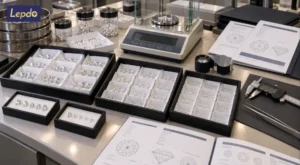
Diamond Milky Effect: How to Identify and Avoid Milky Diamonds When Buying Wholesale
 by lepdogroup@gmail.com
0 comments
by lepdogroup@gmail.com
0 comments
The diamond milky effect is a hazy, low-contrast appearance caused by microscopic clouds of pinpoint inclusions that scatter light instead of reflecting it. It matters because milky diamonds lose brilliance and resale value, even with a high clarity grade on paper. Lepdo Diamonds screens every stone for this issue before it reaches a buyer’s inventory.
A wholesale buyer in New York once told me he returned an entire parcel of VS1 diamonds because nearly half of the stones looked like frosted glass under the loupe. The clarity grade appeared acceptable on paper, but the actual visual performance of the diamonds told a completely different story. This is where the Diamond Milky Effect becomes a serious concern for professional buyers, because a stone can carry an attractive clarity grade and still show a hazy, cloudy, or dull appearance that reduces its brilliance and overall appeal.
For wholesalers, retailers, jewelry manufacturers, and sourcing professionals, understanding the Diamond Milky Effect is essential because visual appearance directly influences customer satisfaction, resale potential, pricing, and long-term business trust. Milky diamonds may display a soft white or grayish haze caused by internal scattering, clouds, microscopic inclusions, structural characteristics, or other optical factors that interfere with the way light travels through the stone.
The problem can become even more noticeable in larger carat weights, certain clarity ranges, and some lab grown diamonds where microscopic features may affect transparency and light performance differently from what a basic grading description suggests. A diamond report provides important information about characteristics such as clarity, color, cut, polish, and symmetry, but experienced buyers know that a certificate should never replace direct visual inspection.
Whether you are examining loose diamonds at a trade show, reviewing a parcel from an overseas supplier, or selecting stones from a virtual inventory, you need to evaluate the diamond beyond its grading information. A stone that looks bright and transparent under controlled lighting may reveal unwanted milkiness when viewed under daylight or from different angles.
This is why professional diamond buyers compare face-up appearance, transparency, brilliance, contrast, and overall optical performance before confirming a purchase order. Learning how to recognize the Diamond Milky Effect quickly can help you avoid purchasing diamonds that may later be rejected by jewelry retailers or end customers. By understanding the causes of milkiness, knowing how it differs from normal cloud inclusions, and developing a consistent inspection process, buyers can make more confident sourcing decisions, protect their margins, and maintain the quality standards their customers expect.
What the Diamond Milky Effect Is
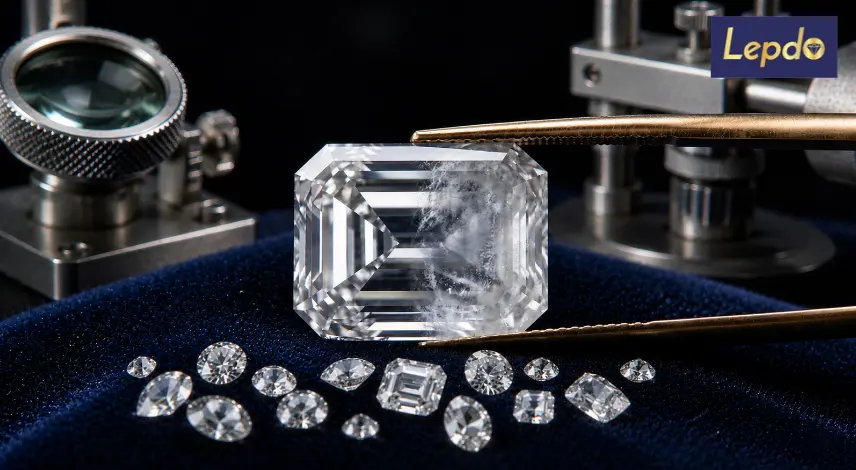
The diamond milky effect is a visual condition where a diamond appears hazy, cloudy, or dull instead of crisp and transparent. It happens when light entering the stone gets scattered by dense clusters of microscopic inclusions rather than reflecting back cleanly through the crown. The result looks like a thin veil sitting inside the stone.
This is different from a single visible inclusion. A milky diamond can carry a clean-sounding clarity grade like VS2 or SI1 and still look foggy face-up, because grading measures inclusion size and location, not overall transparency.
Quick Info Box
- Definition: A hazy or foggy visual appearance caused by scattered light from dense internal inclusion clusters.
- Key Types or Varieties: Pinpoint cloud milkiness, graining-related haze, strain-related haze, surface-related haze.
- Best For: Buyers, gemologists, and manufacturers who need to identify quality risks before purchase.
- Key Difference or Advantage: Understanding it early prevents costly returns and protects brand reputation.
You can review the full technical definition in our milky diamond glossary entry, which breaks down the grading language used across major labs.
Most Popular Types or Variations of the Milky Effect And Who Should Watch For Them
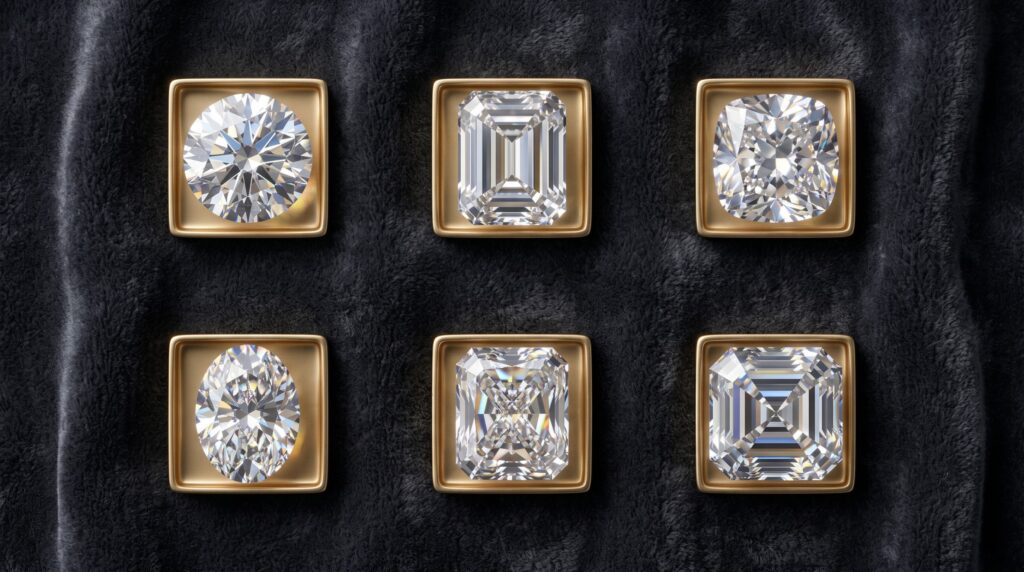
Milkiness does not show up the same way in every diamond. The cause, the shape, and the growth method all change how visible it becomes and who is most likely to encounter it.
Cloud-Based Milkiness
This is the most common cause. Dense clusters of pinpoint inclusions, sometimes invisible to the naked eye individually, group together and scatter light across a wide area of the stone. It is common in both natural and lab grown material and tends to worsen in larger carat weights where the cloud spans more surface area.
Graining-Related Haze
Internal graining lines, formed during crystal growth, can create a soft milky streak that runs diagonally through the stone. This is more frequently reported in certain Lab Grown Diamonds grown under specific CVD conditions, and buyers sourcing large parcels should ask suppliers directly about growth consistency.
Strain-Related Haze (HPHT Stones)
HPHT-grown diamonds can sometimes display strain patterns that become visible under polarized light and may create a subtle milky or hazy appearance under certain lighting conditions. This type of Diamond Milky Effect is generally less obvious than severe cloudiness, but an experienced buyer can often recognize the difference during a careful 10x loupe inspection and by viewing the stone under multiple lighting environments. Beyond strain-related haze, buyers should also be aware of girdle-area haze caused by inconsistent or poor polishing, surface haze resulting from residual polishing compounds, and cape-line haze that may appear more noticeable in diamonds with lower color grades.
The shape and facet design of a diamond can also influence how easily haze is perceived. Step-cut shapes such as emerald and Asscher cuts often reveal transparency issues more clearly because their large, open facets provide fewer areas for light scattering to be visually disguised. By comparison, round brilliant and cushion cuts can sometimes mask mild milkiness because their more complex facet patterns create stronger light return and visual contrast.
For wholesale buyers, therefore, evaluating the Diamond Milky Effect should involve more than simply checking the certificate or clarity grade; careful loupe examination, face-up inspection, side viewing, and assessment under different lighting conditions can reveal subtle haze that may otherwise be overlooked.
Diamond Milky Effect vs Diamond Cloudiness The Real Difference
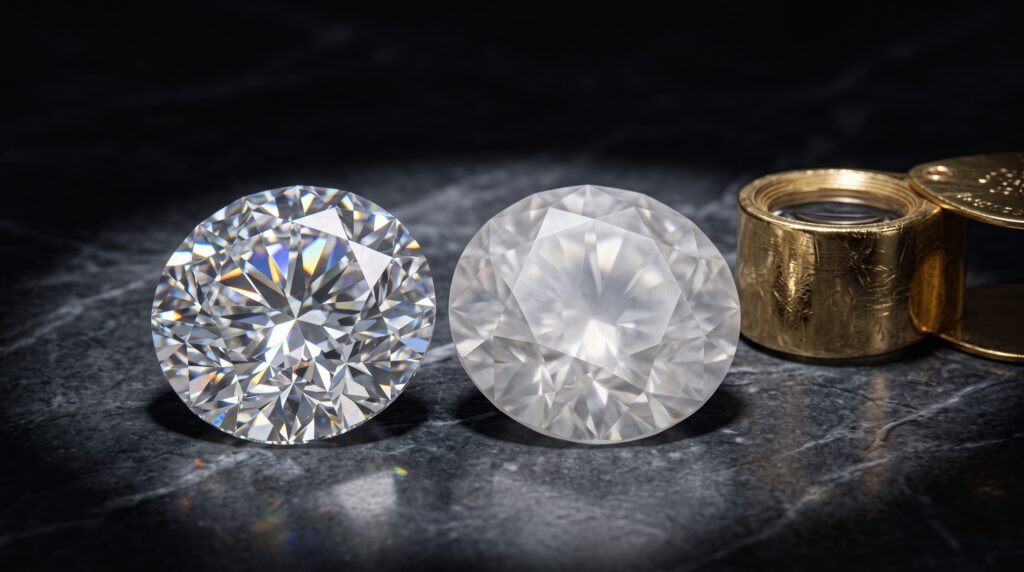
People use these terms interchangeably, but they are not identical, and that confusion causes real buying mistakes. Cloudiness usually refers to a graded inclusion type noted on a certificate. The diamond milky effect refers to the visual outcome you actually see with your eyes, which may or may not match what the report describes.
| Factor | Diamond Milky Effect | Diamond Cloudiness (Graded) |
|---|---|---|
| Definition | Visual haze seen face-up | Specific inclusion type noted on certificate |
| Detectable on paper | Not always | Yes, listed under clarity characteristics |
| Impact on value | Can be severe, even with good clarity grade | Depends on size and location |
| Visibility | Immediate, naked eye or loupe | May require magnification |
| Buyer risk level | High if not physically inspected | Moderate, since it is disclosed |
The truth is that a diamond can carry a “cloud” notation on its GIA or IGI report and still look completely clean face-up, while another stone with no cloud notation at all can show visible haze because of how the inclusions are distributed rather than simply how large they are. This is exactly why relying on the certificate alone, without a physical or high-resolution video review, remains one of the most common mistakes wholesale buyers make.
How to Choose the Right Diamonds and Avoid the Milky Effect for Your Style
- Match the shape to visibility risk. Step cuts like emerald and asscher expose haze more than brilliant cuts, so inspect these shapes more carefully before purchase.
- Consider carat weight scaling. Milkiness that is barely visible at 0.50 carats can become obvious at 2.00 carats, since the same cloud density covers a larger visual area.
- Match the stone to its setting. A bezel or halo setting can soften mild haze, while a solitaire prong setting exposes it completely under direct light.
- Weigh budget against risk. Milky diamond price discount opportunities exist for buyers who are comfortable reselling into markets less sensitive to brilliance, such as certain fashion jewelry lines.
- Match the stone to occasion. Engagement rings demand maximum brilliance and should never carry visible haze. Fashion or commercial pieces have more tolerance.
- Decide between lab-grown and natural sourcing. A milky lab grown diamond is not automatically inferior. It simply needs the same physical inspection standard applied to natural stones, and reputable Lab Grown Fancy Color Diamonds suppliers should welcome that scrutiny.
Before you finalize your choice, always request either a physical parcel review or a high-magnification video from your supplier. A certificate tells you what a gemologist measured. It does not always tell you what your customer will see under a jewelry store light.
What B2B Buyers and Diamond Manufacturers Should Know
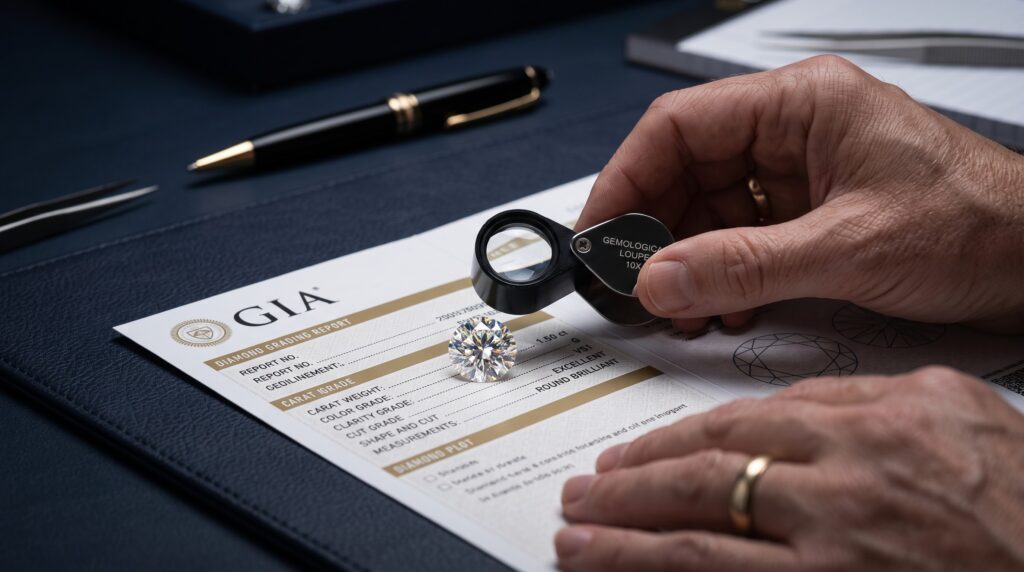
Bulk sourcing changes the stakes considerably. A single milky stone in a retail order is a customer complaint, while a milky batch in a wholesale container can become a financial loss running into thousands of dollars, especially when parcels are purchased sight-unseen from overseas suppliers. Cut grading consistency matters here more than most buyers realize.
Two diamonds with identical IGI or GIA cut grades can still perform differently if one carries hidden cloud density that the grading scale does not directly penalize. This is where Rapaport pricing gets complicated, because stones affected by the Diamond Milky Effect may be discounted below list price without the discount being clearly disclosed upfront. Any serious fancy cut diamond manufacturer should be running independent haze checks on top of standard certification rather than relying on the lab report alone.
In my experience working alongside sourcing teams, the single most useful habit is requesting a short video of the actual stone under three lighting conditions: daylight-equivalent, warm incandescent, and direct spotlight. Milkiness that hides under one light source often reveals itself under another. Manufacturers like Lepdo Diamonds, based in Surat’s diamond manufacturing hub, apply this kind of layered visual screening before stock is offered to international retailers, precisely because certification alone does not catch every case. For sourcing questions around specific parcels, our team works directly with wholesale accounts on this exact issue.
You can review broader grading standards through our Diamond Certification resource before placing your next bulk order.
Milky Diamond Awareness in USA Jewelry Trends (2026-2027)
American consumers are getting sharper about diamond quality thanks to social media content showing side-by-side brilliance comparisons. Short-form video reviews comparing stones under different lighting have pushed more retail buyers to ask sourcing questions they never used to ask five years ago.
Bezel and half-bezel settings are trending upward partly because they flatter stones with minor visual inconsistencies while still showcasing brilliance in cleaner diamonds. Step-cut shapes, particularly elongated emerald and radiant cuts, remain popular in engagement ring design, which raises the stakes on avoiding haze since these shapes hide nothing. Industry pricing data from Rapaport has noted growing price spreads between visually clean and visually milky stones within the same clarity grade, reflecting exactly this consumer awareness shift.
To be fair, round diamonds still dominate engagement ring sales in the US market, and their facet structure naturally disguises minor haze better than any other shape. That said, fancy shapes are gaining share fast enough that suppliers who cannot guarantee clean visual performance in step cuts are losing wholesale accounts to those who can.
How to Evaluate Quality When Checking for the Diamond Milky Effect
When I assess a diamond for milkiness, the first thing I check is table-up brilliance under a neutral daylight lamp before I even reach for a loupe. If the stone looks flat or hazy at that stage, no clarity grade will change my opinion of it.
- Check brilliance and fire together. A clean stone shows sharp contrast between light and dark facets. A milky one looks washed out and gray.
- Inspect the pavilion angle. Poor pavilion depth combined with dense clouding worsens light return and increases visible haze.
- Review table percentage and depth percentage. Stones cut outside ideal proportion ranges scatter light differently, which can mask or amplify existing milkiness.
- Look for scintillation under movement. Tilt the stone. Milky diamonds show sluggish, muted sparkle instead of quick flashes.
- Cross-check the certified diamonds report. Compare what the Certified Diamonds documentation states against what you physically observe, since the two should align closely.
Watch for bowtie effect in oval and marquise shapes too, since a dark bowtie combined with milky clouding compounds the loss of brilliance significantly.
Conclusion
The diamond milky effect is one of those quality issues that certificates alone will not fully protect you from, no matter how experienced your grading team is. Understanding what causes it, checking shape-specific risk, and requesting real video or physical review before purchase are the three habits that separate confident buyers from frustrated ones. Wholesale accounts especially cannot afford to learn this lesson through returned inventory.
Most buyers who have been burned once by a milky parcel never skip the physical inspection step again, and that instinct is worth building early rather than after a costly mistake. Retailers sourcing certified lab-grown diamonds can explore our collection to see how transparent grading and visual screening work together in practice. You can browse IGI Certified Diamonds and current fancy shape inventory directly through Lepdo Diamonds.
A clean-looking certificate is only half the story. The diamond milky effect reminds every serious buyer that real brilliance has to be seen, not just graded.
Frequently Asked Questions About the Diamond Milky Effect
1. What is the diamond milky effect?
The diamond milky effect is a hazy or foggy visual appearance inside a diamond caused by dense clusters of microscopic inclusions scattering light. It reduces brilliance and fire even when the stone carries an acceptable clarity grade on its certificate. Buyers usually notice it as a gray or cloudy cast across the table facet.
2. Is a milky diamond cheaper than a clean one?
Yes, milky diamonds typically sell at a milky diamond price discount compared to visually clean stones of the same carat and clarity grade. The discount reflects reduced brilliance rather than the clarity grade itself. Discounts commonly range from 10 to 30 percent depending on severity and shape.
3. Which diamond shape hides milkiness best?
Round brilliant and cushion cuts hide mild milkiness best because their facet patterns scatter light in ways that mask minor haze. Step cuts like emerald and asscher expose it most clearly. This is why shape selection matters as much as clarity grade during wholesale buying.
4. Does a milky diamond still receive a GIA cut grade?
Yes, GIA assigns cut grades based on proportions, symmetry, and polish rather than internal haze directly. This means a milky stone can technically receive a strong cut grade while still looking visually dull. It is a key reason certificates alone should never replace physical inspection.
5. What is the biggest quality risk with the diamond milky effect?
The biggest risk is buying based on paper grading alone without a physical or video review of the actual stone. Two diamonds with identical certificates can look completely different in real light. This gap causes the most returns and disputes in wholesale transactions.
6. Are lab-grown diamonds more prone to the milky effect than natural ones?
Not inherently, though certain CVD growth conditions can produce graining-related haze more frequently in some batches. A milky lab grown diamond and a milky natural diamond share the same visual cause: dense inclusion clustering. Growth method alone does not determine haze risk.
7. Which diamond option is best for an engagement ring to avoid milkiness?
Round brilliant or cushion cut diamonds with verified video review offer the lowest visual risk for engagement rings. Step cuts require extra scrutiny since they expose haze immediately. Always request current, non-generic photography or video before final selection.
8. How do I choose a reliable supplier for milky-free wholesale diamonds?
Choose suppliers who provide IGI or GIA certification alongside independent video or physical inspection options. Ask directly about their internal haze-screening process before certification, not after. Reputation, transparency about pricing, and willingness to send sample parcels are strong signals of reliability.