Diamond Isotopes: How Science Reveals the Hidden Identity of Diamonds.
 by lepdogroup@gmail.com
0 comments
by lepdogroup@gmail.com
0 comments
A single diamond can carry a geological history that began billions of years beneath the Earth’s surface. Modern laboratories can study this history through advanced scientific methods, with diamond isotopes becoming an important research tool for understanding diamond formation, origin, and natural characteristics.
Diamond isotopes are not a replacement for traditional diamond grading. Buyers still rely on the 4Cs, including carat weight, color, clarity, and cut quality, along with reports from respected laboratories such as Gemological Institute of America (GIA) and IGI Certified Lab Grown Diamonds India.
For manufacturers, jewelers, and consumers, understanding isotope science helps create better decisions when evaluating gemstone authenticity, diamond certification, and sourcing transparency. This knowledge is especially valuable as buyers increasingly ask where diamonds come from and how they are scientifically verified.
What Diamond Isotopes Are
Diamond isotopes are variations of carbon atoms found inside diamonds that contain the same chemical element but different atomic masses. Since diamonds are made almost entirely of carbon, scientists analyze these atomic differences to understand geological conditions during diamond formation.
Quick Info Box:
Definition: Diamond isotopes are naturally occurring variations of carbon atoms inside diamonds that provide scientific information about their formation history.
Key Types or Varieties: Carbon-12, carbon-13, carbon isotope ratios, mantle-derived signatures, synthetic diamond isotope patterns.
Best For: Diamond researchers, manufacturers, wholesalers, jewelry brands, and buyers interested in diamond origin studies.
Key Difference or Advantage: Isotope analysis reveals scientific background information, while grading determines visual quality and market value.
For buyers exploring Certified Diamonds sources, understanding scientific verification methods is essential. Lepdo Diamond provides detailed information about diamond products, certifications, and industry standards through Lepdo Diamond.
Carbon Isotope Composition and Diamond Formation
The primary element in every diamond is carbon. However, carbon exists in different atomic forms called isotopes. The two naturally occurring stable carbon isotopes found in diamonds are carbon-12 and carbon-13.
Carbon-12 contains six protons and six neutrons, while carbon-13 contains six protons and seven neutrons. The difference is extremely small, but scientific instruments can measure these variations with high accuracy.
Most Lab-Grown vs Natural Diamond contain approximately 98.9% carbon-12 and about 1.1% carbon-13. These ratios can vary slightly depending on geological conditions and the source material from which the diamond formed.
Here is what makes isotope analysis valuable: it does not change the appearance, brilliance, or fire of a polished diamond. Instead, it provides researchers with clues about the diamond’s journey over millions or billions of years.
Scientific Testing and Industry Applications
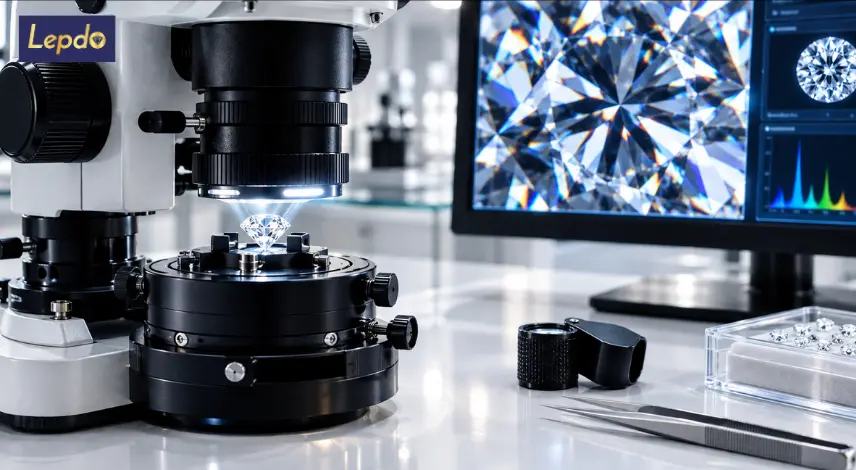
Diamond isotopes are mainly studied through advanced analytical methods such as isotope ratio mass spectrometry. These techniques measure carbon composition at extremely precise levels.
Unlike standard diamond grading, isotope testing is not part of the traditional 4Cs of Diamonds system. A GIA certified diamonds India or IGI report focuses on characteristics consumers use when purchasing diamonds, including clarity grade, color, cut quality, and measurements.
The truth is, isotope analysis is primarily a scientific research method rather than a retail grading factor. It supports geological studies, origin research, and advanced diamond identification projects.
The takeaway is simple: isotope information explains a diamond’s history, while certification explains its quality.
Most Popular Types or Variations of Diamond Isotopes and Their Importance
Diamond isotopes can be studied through different carbon signatures depending on their geological source and formation environment. These variations help researchers classify diamonds and understand how carbon traveled through the Earth before crystallization.
Most buyers associate diamond value with appearance, but scientific characteristics provide additional layers of information for professionals working with high-value stones.
Natural Diamond Carbon Isotope Patterns
Natural diamonds usually develop deep within the Earth’s mantle under extreme pressure and temperature conditions. Their carbon isotope ratios often reflect the source materials involved during formation.
Some diamonds show carbon signatures linked to ancient organic materials that moved deep into the Earth through geological processes. Others reflect carbon sources that originated directly from the mantle.
For Diamond Manufacturers In Surat and researchers, these patterns help explain why diamonds from different geological regions may have slightly different scientific characteristics.
Mantle-Derived Diamond Isotope Characteristics
Mantle-derived diamonds represent stones formed approximately 150 to 700 kilometers below Earth’s surface. Their isotope patterns often provide evidence about deep Earth chemistry.
These diamonds are valued commercially based on their polished appearance, cut quality, and certification rather than isotope composition alone.
Think of it this way: isotope data is like a diamond’s scientific fingerprint, while the 4Cs describe how that diamond performs when viewed and worn.
Lab-Grown Diamond Isotope Analysis
Lab-grown diamonds are created through controlled processes such as Chemical Vapor Deposition (CVD) and High Pressure High Temperature (HPHT) methods. Their carbon structure is chemically identical to natural diamonds.
Diamond isotopes can show differences depending on the carbon source and manufacturing process. However, identifying lab-grown diamonds requires specialized equipment and professional laboratory analysis.
That said, lab-grown diamonds are graded using many of the same quality measurements as natural stones, including clarity, color, carat weight, and diamond certification.
Diamond Isotopes vs Natural Diamond Grading: The Real Difference
Diamond isotopes and traditional diamond grading answer completely different questions. Isotope analysis studies scientific origin, while grading evaluates beauty, rarity, and commercial value.
A buyer choosing an engagement ring does not select a diamond based on isotope ratios alone. They evaluate brilliance, fire, scintillation, proportions, certification, and personal preference.
| Factor | Diamond Isotopes | Traditional Diamond Grading |
|---|---|---|
| Primary Purpose | Studies carbon origin and formation history | Measures quality and market value |
| Main Evaluation | Carbon isotope ratios | 4Cs, cut, color, clarity, carat |
| Used By | Scientists and laboratories | Consumers, retailers, wholesalers |
| Impact On Price | Usually indirect | Direct influence on value |
| Consumer Importance | Educational and scientific | Essential for purchasing decisions |
Diamond isotopes provide background information, while diamond grading determines how a stone performs visually and commercially.
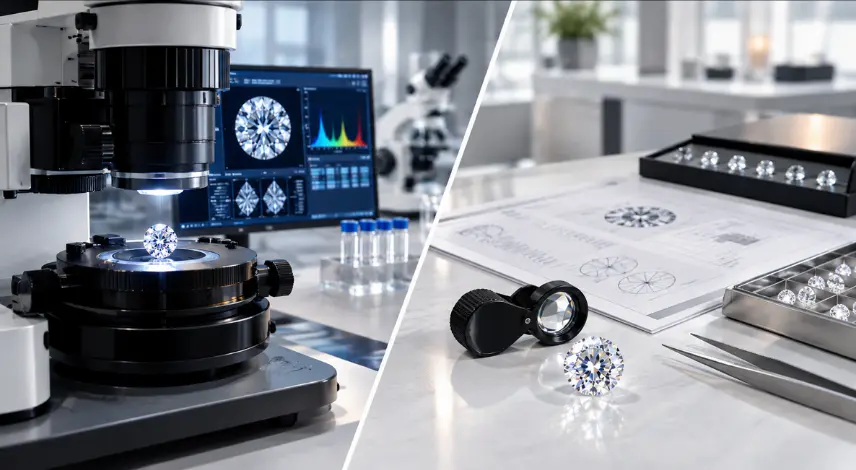
Critical Differentiator: Scientific Information and Consumer Value
Diamond isotopes reveal hidden information about formation conditions, but they do not automatically indicate whether a diamond looks beautiful.
A diamond with excellent proportions, strong light return, and high clarity can command premium pricing because consumers experience its visual performance.
Critical Differentiator: Cost Structure and Sourcing Economics
For wholesalers and retailers, pricing depends mainly on factors such as supply chain, certification, carat weight, clarity grade, and market demand.
Isotope research may support authenticity studies, but inventory decisions are based on certified quality parameters and customer requirements.
Before you… make a diamond purchase decision, understand that scientific information and grading information serve different purposes. A complete evaluation requires both technical knowledge and trusted certification.
How to Choose the Right Diamond Isotopes Knowledge for Your Style or Inventory
Understanding diamond isotopes helps professionals and buyers recognize that every diamond carries scientific information beyond its visible appearance. However, purchasing decisions still depend on practical factors such as design preferences, setting requirements, diamond grading, and certification.
Most buyers focus first on beauty, size, and price. Experienced buyers look deeper by combining scientific background with trusted grading reports, Trusted Diamond Supplier India transparency, and long-term value considerations.
1. Personal Style, Silhouette, or Physical Fit
The right diamond choice begins with the wearer’s style preference and the visual impact they want from their jewelry. A larger carat weight may create a stronger presence, while a refined cut with excellent proportions can maximize brilliance without increasing size.
Diamond isotopes provide scientific insight, but they do not determine whether a diamond appears elegant on the hand. The final visual experience comes from the interaction between cut quality, facets, symmetry, and light return.
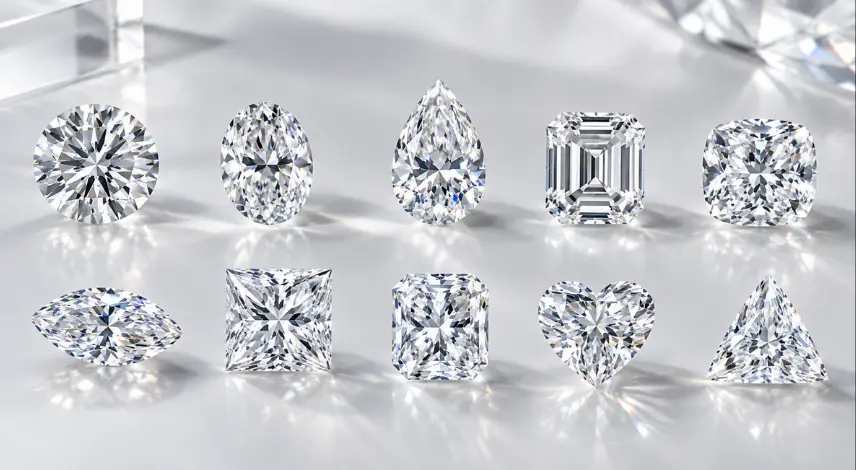
For engagement rings, buyers often compare round brilliant, oval, cushion, emerald, and pear shapes because each creates a different personality and silhouette.
2. Metal Setting, Mounting, and Structural Use-Case Compatibility
The setting plays a major role in protecting and displaying a diamond. Platinum and gold settings interact differently with diamond shapes, especially when dealing with elongated designs that require secure prong placement.
A well-designed mounting enhances brilliance by allowing light to enter and exit through the pavilion. Poor setting choices can hide the beauty of even a highly graded stone.
Think of it this way: the diamond is the centerpiece, but the setting acts as the stage that controls how the audience experiences it.
3. Optical Performance, Cut Proportions, and Light Behavior
A diamond’s appearance depends heavily on how precisely it is cut. The relationship between table percentage, pavilion depth, crown angles, and symmetry determines how efficiently light travels through the stone.
The 4Cs remain the foundation of diamond evaluation. While diamond isotopes explain carbon composition, cut quality determines the visible performance buyers appreciate.
A diamond with strong brilliance, fire, and scintillation can appear more impressive than a larger diamond with weaker proportions.
4. Budget Allocation and Pricing Advantages Compared With Standard Alternatives
Smart diamond purchasing requires balancing size, quality, and budget. Many buyers overspend on characteristics they cannot easily see while overlooking factors that strongly influence beauty.
For example, moving from a VVS Diamonds clarity grade to an eye-clean VS Diamonds clarity grade can sometimes create significant savings without noticeable visual differences.
Here is what experienced buyers understand: value comes from choosing the right combination of characteristics, not simply selecting the highest grade available.
5. Intended Occasion: Bridal, Everyday Fine Jewelry, Custom Bespoke, or Retail Stock
The purpose of the diamond determines the ideal selection strategy. Bridal buyers often prioritize durability and timeless appearance, while collectors may focus on rarity and unique diamond shape.
Retailers and jewelry brands need inventory diversity because customer preferences vary across markets. A balanced collection may include different carat weights, shapes, Fancy Color Diamonds, and clarity ranges.
6. Lab-Grown vs Natural Considerations
Lab-grown diamonds are created through controlled technology, primarily using CVD and HPHT methods. They share the same chemical structure as natural diamonds, but their growth environment differs.
Diamond isotopes can provide scientific clues about carbon sources and formation conditions, but laboratory identification requires specialized equipment and professional testing.
Consumers comparing lab-grown diamonds should focus on certification, quality specifications, and supplier transparency. Buyers can explore certified stones and grading information through Lepdo Diamonds’ dedicated resources on Lepdo Diamond.
Before you finalize your choice, review the certification, understand the grading details, and compare how the diamond performs visually under proper lighting.
Balancing Proportions, Ratio, and Setting Security
Diamond proportions directly influence beauty and durability. Length-to-width ratio is especially important for elongated shapes such as oval, pear, marquise, and emerald diamonds.
A balanced ratio prevents a diamond from appearing too narrow or too flat. For example, many oval diamonds are preferred within approximately 1.30 to 1.50 length-to-width ratios, depending on personal taste.
Depth percentage also affects visual performance. Excessive depth can make a diamond appear smaller from the top view, while insufficient depth may reduce light return.
Prong placement, bezel security, and protective settings are equally important. A beautiful diamond should also remain practical for everyday wear.
Navigating Price Tiers vs Visual Return
Finding the right price point requires understanding where quality improvements are visible and where they become difficult to detect.
Color and clarity upgrades can create large price differences. However, many buyers may not notice the difference between closely positioned grades without magnification or controlled comparison.
The best value often comes from selecting excellent cut quality, strong symmetry, and a clean appearance rather than chasing every premium grade.
What B2B Buyers and Diamond Manufacturers Should Know About Diamond Isotopes
Diamond Manufacturers In Surat, wholesalers, and jewelry retailers evaluate diamonds differently from individual consumers. Their decisions involve supply consistency, certification standards, production efficiency, and inventory management.
Diamond isotopes are becoming increasingly relevant in scientific discussions around origin analysis and advanced diamond research. However, commercial sourcing still depends on trusted grading laboratories, reliable manufacturing processes, and consistent quality control.
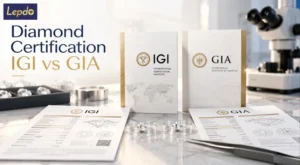
The Gemological Institute of America (GIA) and International Gemological Institute (IGI) provide widely recognized laboratory reports that help businesses verify diamond characteristics. These reports typically include measurements, clarity grade, color information, and identification details.
Rapaport market benchmarks also influence pricing discussions among industry professionals, although actual transactions depend on supply conditions, stone characteristics, and market demand.
For businesses searching for a reliable Fancy Shape Diamonds manufacturer, consistency matters as much as individual stone quality. Lepdo Diamonds operates as a B2B lab-grown diamond manufacturer in Surat, India, offering CVD and HPHT diamonds with IGI, GIA, and SGL certified inventories across different shapes, including DEFG colors and VVS to VS clarities.
My expert trade tip: never evaluate a supplier only by individual sample stones. Review their repeatability, sorting accuracy, certification process, and ability to maintain quality standards across large orders.
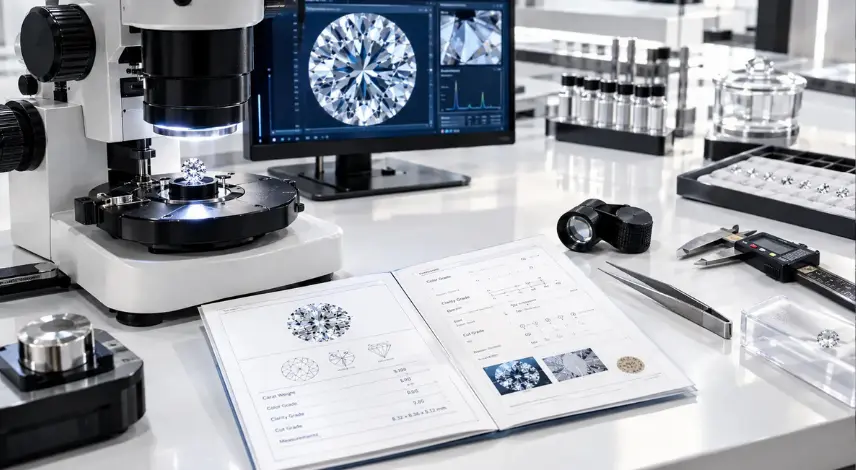
Wholesale Procurement Models: Memo Programs vs Direct Sourcing
Wholesale diamond procurement usually follows different models depending on business size and cash flow requirements.
Memo programs allow retailers to display diamonds without purchasing inventory immediately. This reduces upfront investment but can create supplier dependency and shorter decision windows.
Direct sourcing provides more control over pricing, inventory ownership, and long-term margins. However, it requires stronger forecasting and capital planning.
For manufacturers and wholesalers, choosing between these models depends on sales volume, customer demand, and inventory strategy.
Batch Consistency, Calibration, and Tolerance Standards
Large diamond orders require strict consistency. Manufacturers often sort parcels according to millimeter size, color tolerance, clarity range, and cutting standards.
Small differences between stones can affect jewelry production efficiency. A retailer creating matching earrings or multi-stone designs needs diamonds with controlled visual consistency.
Quality control systems help maintain uniform brilliance, symmetry, and proportions across production batches.
Diamond Isotopes Jewelry Trends (2026 to 2027)
Diamond jewelry trends between 2026 and 2027 are expected to focus on transparency, personalization, and designs that balance modern aesthetics with timeless appeal.
Consumers increasingly want information about diamond origin, certification, and production methods before purchasing. According to industry surveys, more than half of younger luxury consumers consider sustainability and sourcing transparency important factors when evaluating fine jewelry purchases.
Diamond isotopes are part of a wider movement toward scientific understanding and traceability, although traditional diamond certification remains the primary buying reference.
Contemporary Setting Styles and Architectural Mountings
Modern jewelry designs are moving toward clean structures, bezel settings, east-west orientations, and mixed-shape combinations.
Architectural mounting styles allow designers to create distinctive engagement rings while improving protection for certain diamond shapes.
Multi-stone arrangements are also gaining attention because they allow buyers to combine different sizes, colors, and silhouettes into personalized designs.
Shifting Consumer Demographics and Purchasing Drivers
Today’s diamond buyers research more before making decisions. They compare certification, pricing, supplier reputation, and ethical considerations.
Younger consumers often expect detailed explanations rather than traditional sales approaches. They want to understand why one diamond costs more than another.
The truth is, education has become part of the luxury buying experience.
How to Evaluate Quality in Diamond Isotopes
When I assess a diamond, the first thing I check is not only its scientific background but also how its physical characteristics influence beauty, durability, and market acceptance.
Diamond isotopes provide information about carbon composition and formation history, but buyers must evaluate practical quality factors before making a purchasing decision. A polished diamond’s appeal comes from the combination of cut precision, clarity, color, proportions, and light performance.
A professional evaluation considers brilliance, fire, scintillation, pavilion depth, table percentage, symmetry, and potential optical issues. These factors directly affect how a diamond appears under different lighting conditions.
The following rules help buyers, jewelers, and manufacturers evaluate diamond quality effectively:
1. Examine Cut Precision and Light Performance
Cut quality is the most influential factor affecting how a diamond interacts with light. A well-cut diamond allows light to enter through the crown and return to the viewer with maximum brightness.
Brilliance refers to white light reflection, fire describes colorful flashes, and scintillation represents the sparkle created when the diamond moves.
Even diamonds with excellent clarity can appear dull if proportions are poorly designed. Buyers should review measurements, symmetry, and cutting standards before focusing only on laboratory grades.
2. Review Color and Clarity Characteristics
Color and clarity remain major value factors in diamond grading. Color grades typically range from colorless categories such as D, E, and F to lower grades with visible warmth.
Clarity grading evaluates internal inclusions and external marks. A VS clarity grade can often provide excellent visual value because inclusions may not be visible without magnification.
The best selection depends on balancing appearance, budget, and intended jewelry design.
3. Analyze Pavilion Depth and Table Percentage
Pavilion depth and table percentage influence how effectively a diamond reflects light. Incorrect proportions can reduce brightness and create unwanted dark areas.
For many diamond shapes, ideal measurements vary because each design requires different optical engineering. Oval, pear, cushion, and emerald cuts all have Unique Cut Diamonds proportion requirements.
That said, numbers should not replace visual inspection. Two diamonds with similar measurements can perform differently depending on symmetry and cutting accuracy.
4. Verify Certification and Laboratory Reports
Diamond certification provides an independent evaluation of quality characteristics. Reports from organizations such as GIA and IGI help buyers understand grading details and stone identity.
A certified diamond report includes information about measurements, clarity grade, color, carat weight, and identifying characteristics.
Buyers looking for verified stones should review diamond certification details before purchase. Lepdo Diamonds provides certified diamond inventories with laboratory documentation for buyers seeking quality verification.
5. Compare Optical Beauty With Market Value
The most expensive diamond is not always the most visually impressive. Smart buyers compare how a diamond performs rather than focusing only on a single grading category.
A slightly lower clarity grade with excellent cut quality may create a stronger visual impact than a higher-grade diamond with weaker proportions.
The key takeaway is that quality comes from balance.
Analyzing Light Return: Spotting Bow-Ties, Windows, and Extinction
Optical defects can significantly influence diamond appearance. The bowtie effect is a dark shadow pattern commonly seen in elongated shapes such as oval, pear, and marquise diamonds.
A strong bowtie effect occurs when pavilion angles block light from returning properly to the viewer. Some bow-ties create attractive contrast, while excessive darkness reduces visual appeal.
Windowing is another concern. It happens when the diamond becomes too transparent because light passes through instead of reflecting back. This creates a glass-like appearance where the viewer may see through the center of the stone.
Extinction refers to dark areas caused by insufficient light return. A properly cut diamond balances contrast and brightness to create attractive scintillation.
Before you purchase an elongated diamond, examine it under different lighting conditions because photographs alone may not reveal optical performance accurately.
Assessing Diamond Reports and Grading Discrepancies
Diamond reports provide essential information, but buyers should understand that grading laboratories may have slight differences in evaluation approaches.
A clarity plot map shows the location of inclusions such as feathers, clouds, and crystals. These details help professionals judge durability risks and visual impact.
For valuable stones, buyers should compare laboratory reports, measurements, and actual appearance. A certificate confirms characteristics, but it does not replace professional visual evaluation.
Strategic Takeaways for Buyers and Jewelers
Diamond isotopes represent the connection between advanced science and the ancient geological history of diamonds. They help researchers understand carbon origins, but commercial diamond decisions still depend on certification, craftsmanship, and visual performance.
For consumers, the strongest purchasing strategy is combining education with trusted grading information. Understanding the 4Cs, light performance, and certification creates confidence when selecting a diamond for an engagement ring or fine jewelry piece.
For retailers and manufacturers, consistency, transparency, and reliable sourcing remain the foundation of long-term success. Scientific insights such as diamond isotopes add valuable knowledge, while certified inventory standards help businesses meet modern buyer expectations.
Lepdo Diamonds supports professional buyers with certified lab-grown diamond solutions, including CVD and HPHT diamonds manufactured in Surat, India. Businesses and jewelry brands can explore reliable sourcing options through Lepdo Diamond.
Frequently Asked Questions About Diamond Isotopes.
1. What Are Diamond Isotopes?
Diamond isotopes are natural variations of carbon atoms found within a gem’s crystal lattice that provide scientific data regarding geological formation history. While studying diamond isotopes like carbon-12 and carbon-13 helps researchers analyze mantle conditions, diamond isotopes do not determine a diamond’s visual beauty, clarity grade, or final market price.
2. Is Diamond Isotopes Analysis More Expensive Than Traditional Diamond Testing?
Yes, testing diamond isotopes is substantially more specialized and costly than conventional gemological grading because analyzing diamond isotopes requires high-precision mass spectrometers. Standard consumer evaluation bypasses diamond isotopes to focus on the 4Cs, certification, and sparkle, meaning retail buyers rarely need to purchase diamond isotopes reports.
3. Which Diamond Type Looks Biggest or Most Impressive on the Hand?
Perceived size depends on shape, proportions, and surface area rather than microscopic composition like diamond isotopes. Elongated shapes like oval, pear, and emerald cuts maximize finger coverage, while stones evaluated purely by carat weight or diamond isotopes may hide depth below the girdle without looking any larger.
4. Do Diamond Isotopes Have an Official GIA Cut Grade?
No, diamond isotopes do not receive an official cut grade from the Gemological Institute of America (GIA). The GIA grades polished stones on cut precision, color, clarity, and carat weight, leaving diamond isotopes to geoscientific research rather than commercial grading benchmarks.
5. What Is the Biggest Quality Risk or Defect to Watch for in Diamond Isotopes?
The primary quality concerns when buying gems are not related to diamond isotopes, but rather poor cut proportions, visible inclusions, light leakage, or unverified grading certificates. While research into diamond isotopes tracks carbon origins, commercial value depends on visual performance rather than subtle variations in diamond isotopes.
6. Are Lab-Grown Diamond Isotopes Chemically and Optically Identical to Natural Ones?
While both share identical crystal structures, lab-grown diamond isotopes often display distinct carbon ratios compared to natural diamond isotopes due to the specific methane or carbon gases used in CVD and HPHT synthesis. Laboratories can use diamond isotopes data alongside spectroscopy to confirm laboratory origin versus geological growth.
7. Which Diamond Type Is Most Durable and Practical for an Everyday Engagement Ring?
Every diamond maintains exceptional durability regardless of internal diamond isotopes, scoring a 10 on the Mohs scale. Practical daily performance depends on the diamond’s shape and jewelry setting rather than variations in diamond isotopes, with round brilliants in bezel or six-prong settings offering the most security.
8. How Do I Choose a Reliable Diamond Manufacturer or Wholesale Supplier?
Select a supplier that provides consistent quality control, reliable grading from IGI or GIA, and clear technical transparency regarding diamond origin and diamond isotopes. A dependable B2B partner should deliver calibrated parcels, accurate documentation, and dependable inventory standards across all supplied stones.
For in-depth market reports, trade sourcing guides, interactive Q&As, and expert gemological perspectives, explore the official Lepdo Group Medium platform and join the discussion on Lepdo Diamonds on Quora.