Are Lab Grown Diamonds Conflict-Free? The Kimberley Process Explained
 by lepdogroup@gmail.com
0 comments
by lepdogroup@gmail.com
0 comments
Yes, lab grown diamonds are conflict free by default, since they’re created in controlled lab environments rather than mined from conflict-prone regions. The Kimberley Process only tracks natural rough diamonds crossing borders. Buyers who want verified, traceable stones should look for IGI or GIA certified lab-grown diamonds, like the fully documented inventory Lepdo Diamonds supplies to retailers worldwide.
A 2023 industry survey found that nearly 6 in 10 American engagement ring shoppers now ask a jeweler directly whether their diamond is conflict-free before they’ll even look at a price tag. That question used to be rare. Now it’s practically standard.
If you’ve been wondering yourself, are lab grown diamonds conflict free, you’re in good company, and the short answer is yes, almost always. But the longer answer involves understanding what “conflict-free” actually means, what the Kimberley Process does and doesn’t cover, and why lab-grown stones sit outside that entire system.
Here is what you’ll walk away with: a clear picture of how conflict-free certification works for natural stones, why lab-grown diamonds are treated differently by GIA and IGI grading labs, and how to buy with confidence whether you’re an American consumer picking an engagement ring or a wholesaler stocking carat weight inventory for retail partners. Whether you’re asking are lab grown diamonds conflict free out of curiosity or because you’re about to make a purchase, the answer shapes how you shop from here on out.
What Is the Kimberley Process?
The Kimberley Process is an international certification scheme launched in 2003 to stop rough diamonds mined in war zones from entering the legitimate global supply chain. It requires participating countries to certify that shipments of rough diamonds are free from financing armed conflict against legitimate governments. Understanding this system is the first step toward answering are lab grown diamonds conflict free, since the two categories are governed by completely different rules.
Quick Info Box
- Definition: A UN-backed government certification scheme tracking rough natural diamond exports to prevent conflict financing.
- Key Types or Varieties: Kimberley Process Certificates, System of Warranties, chain-of-custody documentation, origin-tracking programs.
- Best For: Regulators, natural diamond miners, exporters, and buyers concerned with mined-stone provenance.
- Key Difference or Advantage: It applies only to natural rough diamonds crossing international borders, not to cut and polished stones or lab-grown material.
If you want the fuller technical picture, our glossary page on Kimberley Process Diamonds breaks down the certification steps in more depth.
The Different Paths to a Conflict-Free Diamond, and Who They’re For
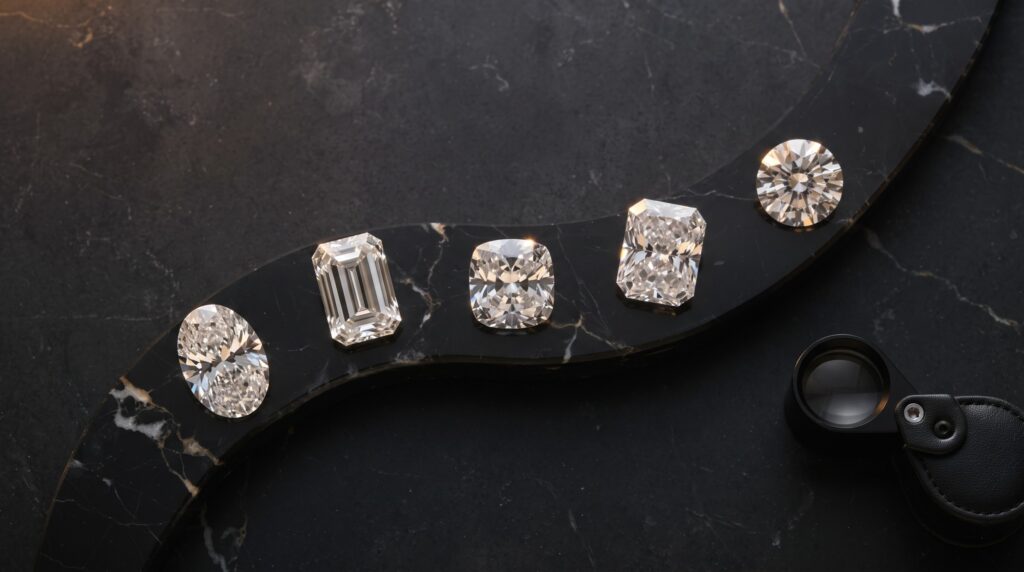
Not every “conflict-free” claim means the same thing. Here are the main routes a diamond takes to earn that label, and who tends to rely on each one.
1. Kimberley Process Certified Rough:
This is the baseline government-level check on natural rough diamonds before they’re cut. It’s mandatory for cross-border trade in participating countries, but it stops at the rough stage and says nothing about labor conditions or environmental impact.
2. System of Warranties:
Once a rough diamond is cut and polished, individual dealers self-certify in writing that the stone came from Kimberley Process compliant sources. It’s an honor-based paper trail that many jewelers still rely on today, though it has faced criticism for weak enforcement.
3. Lab-Grown Diamonds:
Grown in controlled facilities using CVD or HPHT technology, these stones never pass through a conflict zone because there’s no mining involved at all. They’re conflict-free by design, not by certification process, which answers are lab grown diamonds conflict free more definitively than any paperwork-based system ever could.
4. Canadian and Botswana Origin Diamonds: Mined under strict labor and environmental regulation, often marketed with individual laser inscriptions for traceability. Popular with buyers who specifically want a natural stone but still want documented origin.
5. Recycled or Estate Diamonds: Previously owned stones re-entering the market. Conflict-free simply because they were mined decades ago and have already changed hands legally.
6. Blockchain-Tracked Diamonds: A newer layer some natural diamond miners now use to digitally trace a stone from mine to retail counter.
7. Third-Party Audited Mines: Some large-scale operations submit to independent human rights and environmental audits beyond what the Kimberley Process requires.
8. Retailer Self-Sourcing Programs: A handful of major U.S. jewelry chains now run their own supplier vetting on top of Kimberley Process compliance.
Lab Grown vs Kimberley Process Certified Natural Diamonds: The Real Difference
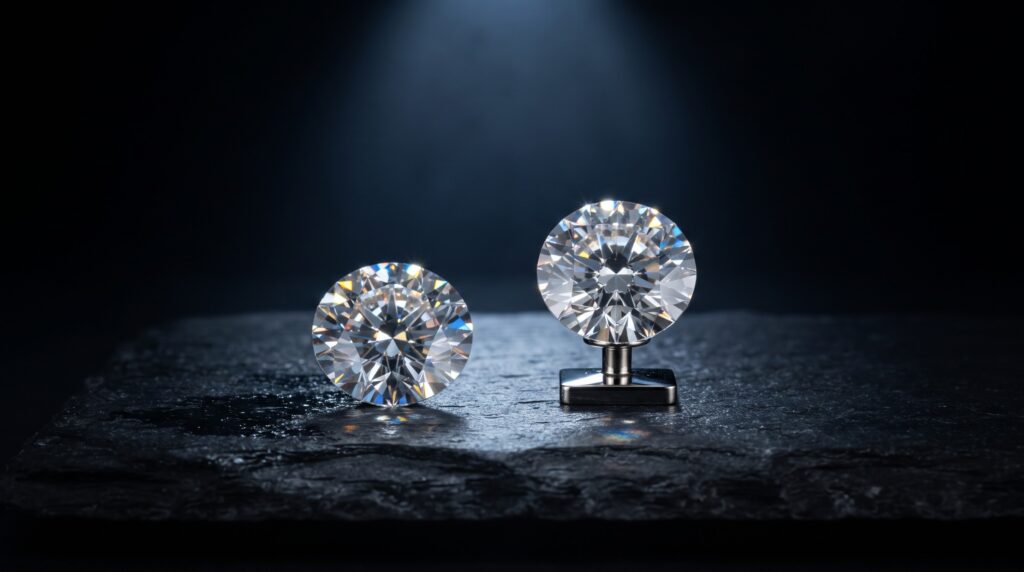
Most buyers assume Kimberley Process certification is the gold standard for ethics. The truth is, it addresses one narrow issue: armed conflict financing. It doesn’t cover child labor, unsafe mining conditions, or environmental damage from open-pit extraction.
| Factor | Lab Grown Diamonds | Kimberley Process Certified Natural |
|---|---|---|
| Conflict risk | Zero, no mining involved | Screened for conflict financing only |
| Labor oversight | Facility-based, regulated manufacturing | Varies widely by country and mine |
| Environmental footprint | Lower land disturbance | Land, water, and habitat impact |
| Traceability | Full facility and batch documentation | Paper-based System of Warranties |
| Certification body | IGI, GIA grading + facility origin | Kimberley Process government certificate |
To be fair, mined diamonds from well-regulated origins like Canada can be extremely well documented, and plenty of American consumers still prefer a natural stone for sentimental or investment reasons. That’s a legitimate choice. But if conflict-free sourcing is your top priority, Lab Grown Diamonds remove the question entirely rather than relying on a certificate that only tracks one narrow risk. Compare that against Natural Diamonds, where even Kimberley Process compliance leaves gaps in labor and environmental accountability.
How to Choose the Right Conflict-Free Diamond for Your Style:
- Personal style first: Decide whether you want the emotional weight of a natural stone or the transparency of a lab-grown one. Both can be equally beautiful under the same 4Cs grading standards, and neither choice makes the other less valid. Some buyers feel drawn to the idea that their diamond formed over billions of years underground, while others prefer knowing exactly how and where their stone was created. There’s no wrong answer here, only the one that feels right to you.
- Consider how the stone will be worn daily: An active lifestyle calls for a diamond with strong durability and a protective setting, regardless of origin. If you work with your hands, exercise often, or simply forget to remove your ring before doing chores, a bezel or low-profile setting will protect the girdle from chips far better than a delicate prong setting will.
- Match the stone to the setting: Fancy shapes like oval or emerald cut show off clarity differently than round brilliants, so let your setting style guide the shape. An emerald cut, for example, has large open facets that make inclusions more visible, so you’ll want to prioritize a slightly higher clarity grade if you go that route, especially once you’ve settled on are lab grown diamonds conflict free as your starting sourcing question. A round brilliant hides minor inclusions more easily thanks to its facet pattern.
- Weigh the budget advantage: Lab-grown diamonds typically cost 30 to 40 percent less than comparable natural stones at the same carat weight and clarity grade. That price gap often means the difference between a 1-carat stone and a 1.5-carat stone for the same budget, which matters a great deal if size is a priority for you.
- Think about occasion: Engagement rings, investment pieces, and everyday fashion jewelry each carry different priorities around resale value versus wearability. A stone meant to be worn every day should lean toward durability and comfort, while an investment piece might warrant a rarer natural stone with strong resale documentation.
- Decide on lab-grown vs natural early: This single decision shapes your entire budget and sourcing conversation, and it’s worth researching Lab Grown Diamonds before you fall in love with a specific stone. Once you know which category you’re shopping in, comparing individual diamonds becomes much simpler, since you’re no longer weighing origin and price against each other with every single option.
Before you finalize your choice, ask your jeweler directly how the stone’s origin was documented, and don’t accept a vague answer. A confident, specific response is usually a good sign you’re dealing with someone who takes sourcing seriously.
Before you finalize your choice, ask your jeweler directly how the stone’s origin was documented, and don’t accept a vague answer. A confident, specific response is usually a good sign you’re dealing with someone who takes sourcing seriously.
What B2B Buyers and Diamond Manufacturers Should Know
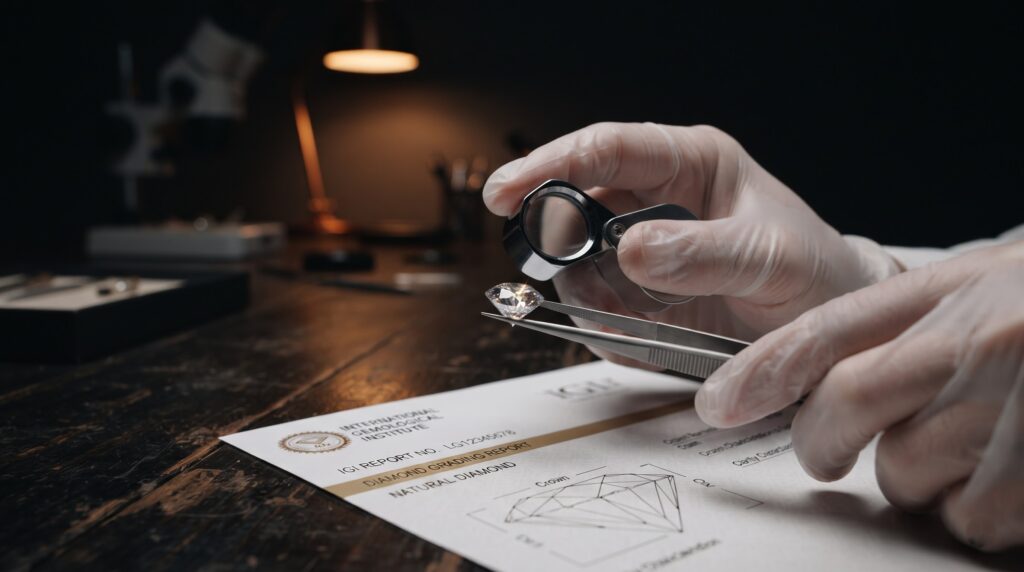
Wholesalers and retailers face a different set of questions than individual consumers. Bulk sourcing decisions hinge on consistent cut grading, verified certification, and predictable Rapaport pricing benchmarks that don’t fluctuate wildly by parcel.
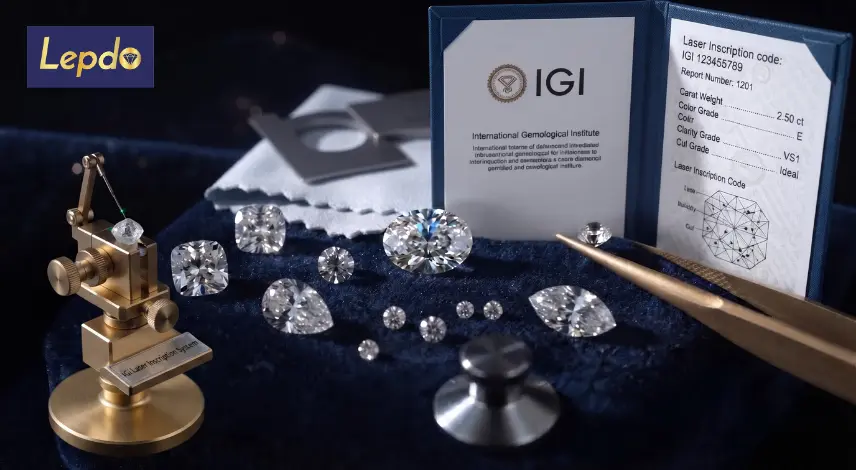
For lab-grown inventory specifically, IGI has become the dominant grading lab in the U.S. market, with GIA increasingly active in lab-grown grading as well. Both labs now issue reports that explicitly state the stone’s lab-grown origin, growth method, and post-growth treatment, which matters enormously for retailers who need airtight disclosure compliance under FTC guidelines.
Manufacturers like Lepdo Diamonds, based in Surat’s diamond manufacturing hub, typically supply IGI and GIA certified CVD and HPHT stones across the DEFG color range with VVS to VS clarity, which gives retail partners a consistent baseline to build pricing tiers around rather than negotiating parcel by parcel. For B2B buyers fielding questions from end consumers, having a straightforward answer to are lab grown diamonds conflict free ready at the counter builds trust faster than any marketing material can.
In my experience working alongside cutting houses, the biggest sourcing mistake retailers make is treating certification as a formality instead of a working document. You’ll want to pay attention to whether your supplier discloses growth method on every single stone, not just the flagship pieces. If you’re evaluating fancy cut diamond manufacturers for a new supply line, our page on Lab Grown Diamond Manufacturers covers what serious sourcing due diligence looks like from the Surat side of the industry.
Conflict-Free Diamond Jewelry Trends in the USA (2026-2027)
Fancy cut diamond jewellery is having a genuine moment in the American market right now, and conflict-free sourcing is a big part of why. Oval, radiant, and elongated cushion shapes continue climbing in engagement ring searches, partly because they photograph well and partly because buyers associate them with modern, transparent sourcing stories.
Cultural conversation around ethical sourcing has clearly shaped how younger American buyers shop. Industry data from the past two years shows lab-grown diamonds now account for a significant and growing share of U.S. engagement ring sales, a shift that would have seemed unlikely a decade ago.
Setting styles are trending toward low-profile bezels and hidden halos that let the stone’s clarity grade take center stage without excessive metal distraction. Most buyers browsing in 2026 aren’t just asking what a diamond costs. They’re asking are lab grown diamonds conflict free and where the stone actually came from, and retailers who can answer that clearly are winning repeat business..
Here’s the section with the keyword added once, interlink kept intact:
When I assess a conflict-free diamond, the first thing I check is the certification report itself, because that document tells you far more than the stone’s surface sparkle ever will. A loose diamond can look impressive under a jeweler’s spotlight and still fall short once you compare its actual grading numbers against the paper.
- Verify the grading lab: IGI and GIA are the two standards worth trusting for both natural and lab-grown stones sold in the U.S. market. Reports from smaller or unfamiliar labs sometimes grade more generously, which can make a mediocre stone look better on paper than it performs in person.
- Check cut quality metrics: Table percentage, depth percentage, and pavilion angles all directly affect brilliance, fire, and scintillation. A table that’s too large or a pavilion that’s too shallow lets light leak out the bottom instead of bouncing back to your eye, and no amount of clarity or color grade can fix that.
- Review the color grade against DEFG standards: Even a half-grade difference is visible to a trained eye under the right lighting, especially in larger carat weight stones where color tends to pool more visibly toward the culet.
- Inspect clarity grade under magnification: Look for inclusions that could affect light return, not just cosmetic flaws. A small inclusion positioned under the table can scatter light in ways that a similar-sized inclusion near the girdle never would.
- Confirm origin disclosure in writing: A reputable supplier states growth method and treatment history directly on the report, not verbally. If a seller hesitates to put that information in writing, treat it as a warning sign rather than an oversight, particularly for anyone still weighing are lab grown diamonds conflict free before making a final decision.
You will want to pay attention to length-to-width ratio too, especially on fancy shapes, since a poorly proportioned stone can create an unwanted bowtie effect that dulls light performance across the center of the diamond. That’s an easy detail to miss when you’re focused on carat weight alone, but it changes how the stone actually reads on the hand. Reputable dealers of Certified Diamonds will walk you through every line of the report before you commit to a purchase, and a supplier unwilling to do that probably isn’t one worth trusting with a significant investment.
Conclusion
The question of whether lab grown diamonds are conflict free has a clear answer once you understand what the Kimberley Process actually screens for. It was built to stop conflict financing in rough natural diamonds, not to serve as a broad ethical seal of approval, and it says nothing at all about stones grown in a lab. That gap matters more than most buyers realize when they’re standing at a jewelry counter trying to make a confident decision, especially now that sourcing transparency has become as important to shoppers as the diamond itself.
Whether you’re a consumer comparing an engagement ring option or a retailer building out inventory, the path forward is the same: insist on documented certification, ask direct questions about origin, and don’t mistake a government stamp for a complete ethical picture. Retailers sourcing certified lab-grown diamonds can explore Conflict Free Diamonds and Blood Diamonds resources to understand the full contrast, or browse IGI Certified Diamonds for fully documented stock before committing to a supplier relationship.
For anyone who wants sourcing clarity without the guesswork, Lepdo Diamonds remains a straightforward place to start that conversation, whether that means a single stone or a standing wholesale order.
Want me to update this directly in the markdown file in outputs, or are you just pasting this into the CMS yourself?
Frequently Asked Questions About Conflict-Free Diamonds
1. What is the Kimberley Process?
The Kimberley Process is an international certification scheme that tracks rough natural diamond exports to prevent conflict financing. It requires participating countries to certify shipments as free from funding armed rebel movements. It does not cover polished stones, labor conditions, or lab-grown diamonds.
2. Are lab grown diamonds conflict free?
Yes, lab grown diamonds are conflict free because they’re manufactured in controlled facilities using CVD or HPHT technology rather than mined. There’s no rough diamond extraction involved, so the conflict financing risk the Kimberley Process was built to address simply doesn’t apply.
3. Is a Kimberley Process certificate the same as an ethical guarantee?
No, it isn’t. The certificate only screens for conflict financing, not labor conditions, wages, or environmental practices. A stone can be Kimberley Process compliant and still come from a mine with serious labor concerns.
4. Do lab-grown diamonds have GIA or IGI cut grades?
Yes, both GIA and IGI issue full grading reports for lab-grown diamonds, including cut, color, clarity, and carat weight. The reports also explicitly disclose the growth method, which natural diamond certificates don’t include.
5. What’s the biggest misconception about blood diamonds vs lab-grown stones?
Most buyers assume all natural diamonds today carry conflict risk, which isn’t accurate for Kimberley Process compliant sources. The real distinction is that lab-grown diamonds remove the question entirely, while natural stones still depend on documentation and enforcement quality.
6. Are ethical lab grown diamonds as good as natural diamonds?
Yes, lab-grown diamonds share the same optical, chemical, and physical properties as natural diamonds, graded on the identical 4Cs scale. The only functional difference is origin, which grading reports disclose clearly on both stone types.
7. Which conflict-free option is best for an engagement ring?
Lab-grown diamonds are increasingly popular for engagement rings because they offer larger carat weight at a lower price point with guaranteed conflict-free origin. Kimberley Process certified natural stones remain a strong choice for buyers who specifically want mined provenance.
8. How do I choose a reliable conflict-free diamond supplier?
Look for a supplier that issues IGI or GIA certification on every stone and discloses growth method or mine origin in writing. Ask directly about their sourcing chain rather than accepting general ethical claims without documentation to back them up.