Diamond Carat to MM Size Chart: Convert Carat Weight to Millimeter Diameter
 by lepdogroup@gmail.com
0 comments
by lepdogroup@gmail.com
0 comments
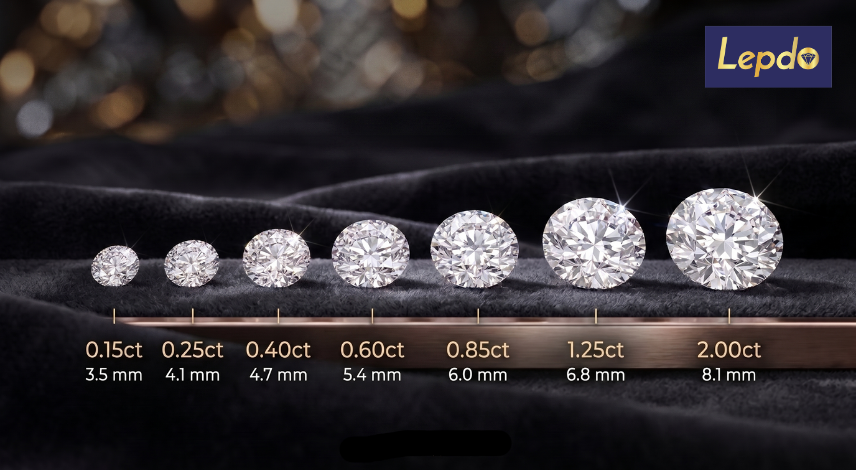
A diamond carat to mm size chart converts carat weight into millimeter diameter so buyers can picture actual size, since carat measures weight, not width. This matters because two diamonds of equal carat weight can look different in diameter depending on cut and depth. Lepdo Diamonds provides certified stones with verified measurements for accurate comparison.
ere is what surprises most first-time buyers: a 1-carat diamond can measure anywhere from 6.0mm to 6.5mm across, depending on its cut. Weight and size are not the same thing, and this confusion costs buyers real money every single day.
A Diamond Carat to MM Size Chart solves this problem by translating carat weight into an actual millimetre diameter you can visualise. Retailers rely on a Diamond Carat to MM Size Chart to set accurate customer expectations, while consumers use it to avoid overpaying for a diamond that appears smaller than expected once set in jewellery.
Understanding how to use a Diamond Carat to MM Size Chart also means understanding the relationship between the 4Cs, GIA grading standards, and how carat weight interacts with cut proportions. It is equally important to recognise how diamond shape changes the equation, because a round brilliant and an elongated cushion with the same carat weight can have noticeably different face-up sizes.
This guide provides a complete Diamond Carat to MM Size Chart, explains carat-to-millimetre conversions for every major diamond shape, shows how to choose the right stone based on visible size rather than weight alone, and covers what B2B buyers should know when sourcing consistent inventory. By the end, you will know how to read a Diamond Carat to MM Size Chart the same way a professional gemologist evaluates diamond proportions and visual spread.
What a Diamond Carat to MM Chart Is
A diamond carat to mm chart is a reference table that pairs carat weight with the expected millimeter diameter (or length and width) for a given shape. It exists because carat weight alone tells you almost nothing about how large a diamond will appear once set in jewelry.
The relationship between weight and size depends heavily on how a stone is cut, not just how much it weighs. This is why two jewelers can quote the same carat weight and mean two very different-looking diamonds.
Quick Info Box:
- Definition: A conversion table matching carat weight to millimeter dimensions across diamond shapes.
- Key Types or Varieties: Round, oval, cushion, princess, emerald, pear, marquise, radiant.
- Best For: Engagement ring shoppers, retailers building size guides, wholesalers quoting stock.
- Key Difference or Advantage: Lets buyers compare apparent size instead of relying on weight alone.
For a deeper breakdown of exact figures, the Diamond Carat Weight Millimeter Chart lays out precise measurements across shapes and weights.
Most Popular Shapes and Who They Are For
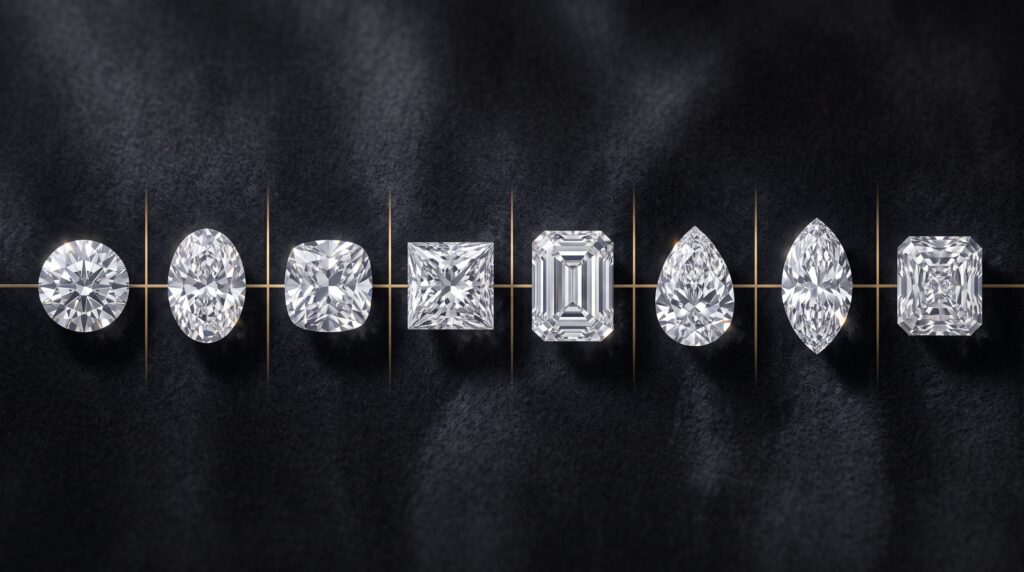
Different diamond shapes distribute carat weight differently across their surface area. That is why a 1 carat diamond mm size varies so much depending on which shape you choose.
Round Brilliant
The round brilliant is the industry benchmark. A 1 carat round typically measures 6.4mm to 6.5mm in diameter, and its 58 facets are engineered for maximum brilliance. This shape suits buyers who want traditional sparkle and hold their resale value best.
Most buyers still default to round brilliants when they are unsure what to choose, largely because the cut forgives minor proportion variations better than fancy shapes. This consistency is exactly why it remains the top-selling shape across the USA engagement ring market.
Oval Cut
An oval diamond stretches the same carat weight into a longer visual footprint, often appearing 10 to 15 percent larger than a round of equal weight. Brides who want an elongated, finger-flattering look gravitate toward this shape. Watch for bowtie effect, a shadow that appears across poorly cut ovals.
A well-cut oval balances length-to-width ratio carefully, usually falling between 1.35 and 1.50 for the most flattering silhouette. Buyers should always view an oval under multiple lighting angles before purchase, since bowtie visibility can shift depending on how the stone is oriented in a setting.
Cushion Cut
Cushion cuts combine a square-ish outline with rounded corners, giving a soft, vintage feel. At 1 carat, expect roughly 6.0mm to 6.2mm per side. This shape appeals to buyers seeking heritage-style jewelry with strong fire.
Beyond these three, princess cuts run smaller-looking per carat due to retained corner weight, emerald cuts show more visible inclusions because of their open step-cut facets, pear shapes work well for pendants and asymmetrical rings, marquise cuts maximize perceived size along the finger, and radiant cuts blend brilliance with a rectangular silhouette. Most buyers comparing shapes side by side benefit from viewing a Diamond Size Comparison Chart before finalizing a decision.
Carat Weight vs Millimeter Size: The Real Difference
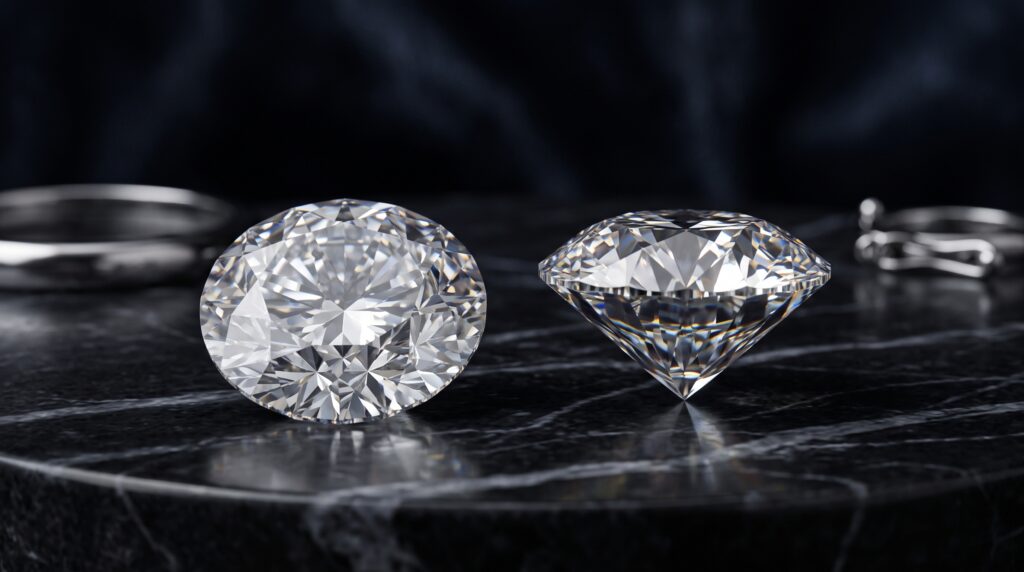
The truth is, carat weight measures mass, while millimeter size measures visible spread. These two numbers only align predictably when cut proportions stay within ideal ranges.
| Factor | Carat Weight | Millimeter Size |
|---|---|---|
| What it measures | Mass of the diamond | Physical diameter or length/width |
| Affected by depth | Yes, deep cuts hide weight below the band | No, mm is a direct measurement |
| Buyer relevance | Determines price bracket | Determines visual impact |
| Consistency across shapes | Same weight, different mm per shape | Shape-specific, more visually reliable |
| Certification reporting | Listed on GIA/IGI reports | Listed alongside weight on reports |
A heavier diamond is not automatically a bigger-looking one. To be fair, carat weight still drives price more than any other factor, so it remains the number most buyers ask about first. But mm diameter is what a friend actually notices across a dinner table, which is why serious buyers check both figures using a diamond mm to carat calculator before purchasing.
How to Choose the Right Carat to MM Match for Your Style
- Personal style fit. Decide if you want maximum visual size (oval, marquise) or classic brilliance (round) before comparing weights.
- Hand and finger compatibility. Smaller hands often suit elongated shapes since they create a slimming effect on the finger.
- Setting compatibility. Prong count and metal width change how much of the diamond’s mm diameter is actually visible once mounted.
- Budget advantage. Fancy shapes often deliver more visible size per dollar than round brilliants of equal carat weight.
- Occasion. Engagement rings favor durability and brilliance, while fashion jewelry allows more experimental shapes and sizes.
- Lab-grown vs natural. Lab-grown diamonds let buyers access larger mm sizes at a lower price point per carat, since lab-grown diamonds are chemically identical to natural stones but cost less to produce. Explore certified options among Loose Diamonds to compare pricing across shapes and sizes.
Think of it this way: choosing a diamond size is really choosing a trade-off between visual impact, budget, and daily wearability. No single factor should be decided in isolation, since a stone that looks stunning in a photo can still feel impractical on an active hand. Taking a few extra minutes to weigh all six factors together almost always leads to a decision you will not second-guess later.
Before you finalize your choice, hold a printed size chart against your actual hand or a ring you already own. Numbers on a screen rarely translate the way a physical reference does.
What B2B Buyers and Diamond Manufacturers Should Know
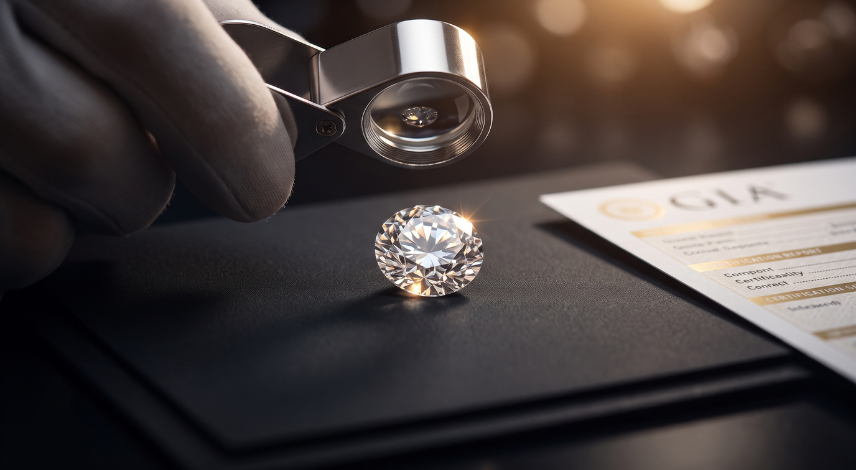
For wholesalers sourcing bulk parcels, a Diamond Carat to MM Size Chart is essential for maintaining consistent mm-to-carat ratios across every shipment, not just accurate average figures. Inconsistent cut proportions mean two diamonds labelled as “1 carat” can differ by 0.3mm or more, creating problems when retailers advertise standardised ring sizes or need matching stones for jewellery collections.
Manufacturers like Lepdo Diamonds, working within Surat’s diamond manufacturing network, grade both CVD and HPHT diamonds against strict cut consistency standards before they enter export inventory. GIA and IGI grading reports include both carat weight and precise millimetre measurements, allowing buyers to verify every stone against a Diamond Carat to MM Size Chart instead of relying solely on seller claims.
Rapaport pricing also plays an important role, as the price per carat often changes at psychological weight milestones such as 0.90ct, 1.00ct, and 1.50ct, even when the visible difference shown on a Diamond Carat to MM Size Chart is minimal. An experienced fancy-cut diamond manufacturer understands this pricing behaviour and can help retailers source stones just below these thresholds to maximise margins without sacrificing face-up size.
This becomes even more important when retailers place repeat orders over several months. A parcel that varies slightly in average millimetre size can disrupt an entire display designed around uniform-looking diamonds. Using a Diamond Carat to MM Size Chart and agreeing on measurement tolerances before shipment helps maintain consistency across every order.
In my experience, buyers who request complete measurement data, including length, width, depth percentage, and table percentage, alongside carat weight experience far fewer returns than those who purchase based only on weight specifications. Wholesale enquiries for fancy-shaped diamonds increasingly begin with requests for sample parcels supported by a Diamond Carat to MM Size Chart, allowing buyers to verify size consistency before placing larger orders. This is one reason why Lepdo Diamonds provides mm-verified inventory and sample parcels to qualified B2B customers across the USA, UK, and Canada.
Diamond Carat and MM Sizing Trends in the USA (2026 to 2027)
The Diamond Carat to MM Size Chart has become an increasingly important buying tool as fancy-shaped diamonds continue gaining ground against round brilliants in the American bridal market. Oval and elongated cushion cuts remain especially popular because they maximize mm spread per carat, giving buyers a larger visual footprint without the added cost of extra weight. Many shoppers now compare diamonds using a Diamond Carat to MM Size Chart to understand which shapes offer the best face-up size.
Industry pricing data from Rapaport shows fancy shapes now command tighter price gaps compared to rounds than they did five years ago, reflecting sustained consumer demand. Cultural influence from red carpet jewelry and social media styling continues pushing East-West set stones and hidden halo designs, both of which rely heavily on accurate mm measurements. A Diamond Carat to MM Size Chart helps jewellers and buyers ensure proper setting compatibility and balanced proportions.
Fancy-cut diamond jewellery featuring toi-et-moi styling and mixed-shape stacking rings has also grown, as these designs depend on precise size matching between multiple stones. Retailers building 2026–2027 collections are increasingly requesting mm-verified inventory rather than carat-only specifications, making the Diamond Carat to MM Size Chart an essential reference for sourcing and inventory management.
Social platforms have also changed how quickly a trend reaches mainstream demand, often compressing a multi-year style cycle into just a few months. This puts pressure on manufacturers to keep fast-moving shapes in stock rather than relying solely on traditional round inventory. Buyers are also asking more detailed questions before purchasing, frequently referring to millimetre dimensions instead of carat weight alone. As a result, the Diamond Carat to MM Size Chart is becoming a standard comparison tool for both online shoppers and in-store buyers, reflecting a more informed customer base that values visible size, proportions, and overall cut quality alongside carat weight.
How to Evaluate Quality in Carat to MM Sizing
When I assess a diamond’s cut quality, the first thing I check is whether the mm diameter matches expected When I assess a diamond’s cut quality, the first thing I check is whether the mm diameter matches the expected proportions shown on a Diamond Carat to MM Size Chart. A stone that looks small for its weight often has a deep pavilion hiding mass below the girdle, which reduces brilliance, fire, and overall light return.
Here is what most buyers miss: two diamonds can share the same certificate weight and still perform completely differently under light. The difference almost always comes down to cut proportions rather than carat weight itself. That is why an experienced gemologist looks beyond the carat number within seconds and compares the stone against a Diamond Carat to MM Size Chart to verify whether its spread is appropriate.
- Compare the diamond’s actual mm measurements with a Diamond Carat to MM Size Chart for its specific shape.
- Check the depth percentage; anything significantly above the ideal range often means hidden weight and weaker light performance.
- Examine the table percentage, since an oversized table can reduce fire and scintillation.
- Look for a bowtie effect in elongated shapes such as oval, marquise, and pear diamonds.
- Confirm the clarity grade under magnification, as a larger mm spread can make inclusions more noticeable than in a deeper-cut stone.
A diamond that passes all five checks will consistently outperform one that simply carries a higher carat weight. Using a Diamond Carat to MM Size Chart alongside the diamond’s grading report helps buyers understand whether they are paying for visible size or hidden weight. This is the difference between a diamond that only looks impressive on paper and one that truly dazzles in everyday light.
Certification remains the only reliable way to verify these measurements. Reports from certified diamond suppliers include exact mm dimensions, cut proportions, and other grading details, allowing buyers to compare the stone accurately with a Diamond Carat to MM Size Chart instead of relying on carat weight alone.
Conclusion
Carat weight and millimeter size tell two different stories about the same diamond, and understanding both is what separates confident buyers from disappointed ones. Shape changes everything, since an oval or marquise stretches visible size further than a round or princess cut at identical weight. Certification remains the only trustworthy way to confirm those numbers match what a seller claims, which is exactly why a reliable diamond carat to mm chart matters so much before you commit to a purchase.
Most buyers only learn this lesson after a ring arrives looking smaller than expected, and by then the return process has already added stress to what should be an exciting purchase. A quick check against a verified diamond carat to mm size chart before ordering removes that risk entirely. This small step takes minutes, yet it prevents the single most common complaint in online diamond buying.
Whether you are a retailer building a size guide or a consumer comparing rings, checking a verified Diamond Size Chart before purchase protects you from costly surprises. Retailers sourcing certified lab-grown diamonds can explore Lepdo Diamonds’ current stock for shape-specific mm verification across every carat weight.
A diamond carat to mm chart is not a minor technicality. It is the difference between buying a number on paper and buying a stone you will actually see and love every day.
Frequently Asked Questions About Diamond Carat to MM Charts
1. What is a diamond carat to mm chart?
A diamond carat to mm chart is a reference table converting carat weight into millimeter diameter for each diamond shape. It helps buyers visualize actual size instead of relying on weight numbers alone. Retailers and consumers both use it to set realistic expectations before purchase.
2. Is a diamond carat to mm chart cheaper to use than guessing carat weight alone?
Yes, using a chart prevents costly mistakes since it avoids buying oversized or undersized stones by mistake. Guessing based on carat weight alone often leads buyers to overpay for weight that does not translate into visible size. A chart removes that guesswork entirely.
3. Which diamond shape looks biggest or most impressive per carat?
Oval, marquise, and pear shapes typically look largest per carat because their elongated outlines maximize surface spread. Round and princess cuts concentrate weight more compactly, which reduces visible diameter at equal carat weight. Shape choice matters as much as carat size.
4. Does a diamond carat to mm chart include GIA cut grade information?
Not directly, but GIA reports list millimeter measurements alongside cut grade on the same certificate. Buyers should always cross-reference a size chart with the actual certified measurements. This confirms the stone matches expected proportions for its shape.
5. What is the biggest quality risk with diamond carat to mm matching?
The biggest risk is a diamond cut too deep or too shallow, which hides weight without adding visible size. This often signals poor light performance, reduced brilliance, and weaker fire. Always check depth percentage alongside mm measurements before buying.
6. Are lab-grown diamonds as accurate on mm sizing as natural diamonds?
Yes, lab-grown diamonds follow identical measurement and certification standards as natural stones under GIA and IGI grading. Since they share the same optical and physical properties, mm-to-carat ratios remain consistent. Buyers can trust size charts equally for both types.
7. Which diamond shape is best for an engagement ring based on mm size?
Round and oval remain top choices for engagement rings, balancing durability with strong visible size per carat. Cushion and radiant cuts also perform well, especially in halo settings that enhance apparent diameter further. Personal style ultimately guides the final decision.
8. How do I choose a reliable diamond carat to mm supplier or manufacturer?
Look for suppliers offering full GIA or IGI certification with verified millimeter measurements, not just carat weight claims. Reputable manufacturers provide transparent grading reports and consistent cut proportions across their inventory. Checking supplier certification history reduces sourcing risk considerably.