Diamond Brilliance, Fire and Scintillation Explained: What Makes a Diamond Sparkle
 by lepdogroup@gmail.com
0 comments
by lepdogroup@gmail.com
0 comments
Diamond brilliance, fire and scintillation describe the three ways light interacts with a polished diamond: white light return, colored light flashes, and sparkle as the stone moves. Buyers need this to judge cut quality beyond carat weight. Lepdo Diamonds grades every stone against these three light performance factors before it reaches a retailer’s counter.
A GIA study found that cut quality, not carat weight, is the single biggest predictor of how a diamond is perceived by the naked eye. Most jewellery shoppers still walk into a store asking about size first. But the real magic behind diamond brilliance fire scintillation is what makes two diamonds of the same carat weight look completely different under the same light.
I have watched customers pick a smaller, better-cut stone over a larger one within seconds of comparing them side by side under a jeweller’s lamp. That is the power of light performance. Understanding diamond brilliance fire scintillation helps explain why precision cutting often has a greater visual impact than simply choosing a higher carat weight.
This article breaks down exactly what brilliance, fire, and scintillation mean, how they work together to create diamond brilliance fire scintillation, and how to judge these light-performance characteristics when you are shopping for an engagement ring or sourcing stones as a wholesaler. We will also touch on how the 4Cs, GIA grading, and lab-grown diamond technology all play into this conversation.
By the end, you will know exactly what to look for the next time you hold a diamond under light and ask yourself if it is really sparkling the way it should. Once you understand diamond brilliance fire scintillation, you will be able to compare diamonds with far greater confidence and choose stones that deliver exceptional beauty in real-world lighting.
What Is Diamond Brilliance, Fire and Scintillation?
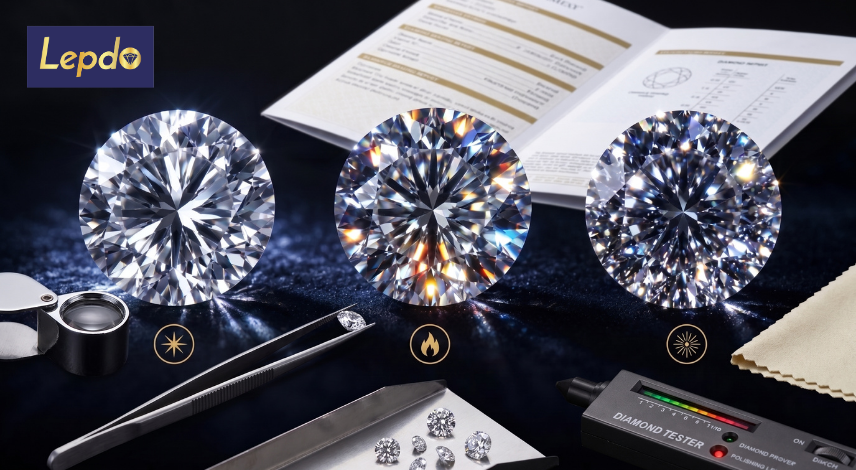
Diamond brilliance fire scintillation refers to the three distinct optical effects that make a polished diamond visually striking. Brilliance is the white light bouncing back to your eye. Fire is the flash of spectral color you see as light disperses through the stone. Scintillation is the on-off sparkle pattern created when the diamond, the light source, or the viewer moves.
Quick Info Box
- Definition: The combined light behavior of a diamond, made up of white light return, colored light flash, and movement-based sparkle.
- Key Types or Varieties: Static brilliance, dispersive fire, contrast scintillation, pinfire sparkle.
- Best For: Engagement ring shoppers, fine jewelry buyers, diamond manufacturers grading cut quality, retailers training sales staff.
- Key Difference or Advantage: Cut quality affects all three factors more than any other one of the 4Cs.
Understanding Diamond Brilliance on its own is a good starting point, but it only tells part of the story. A diamond can return plenty of white light and still look flat if it lacks contrast or movement.
The Most Popular Sparkle Factors, and Who Should Care About Each
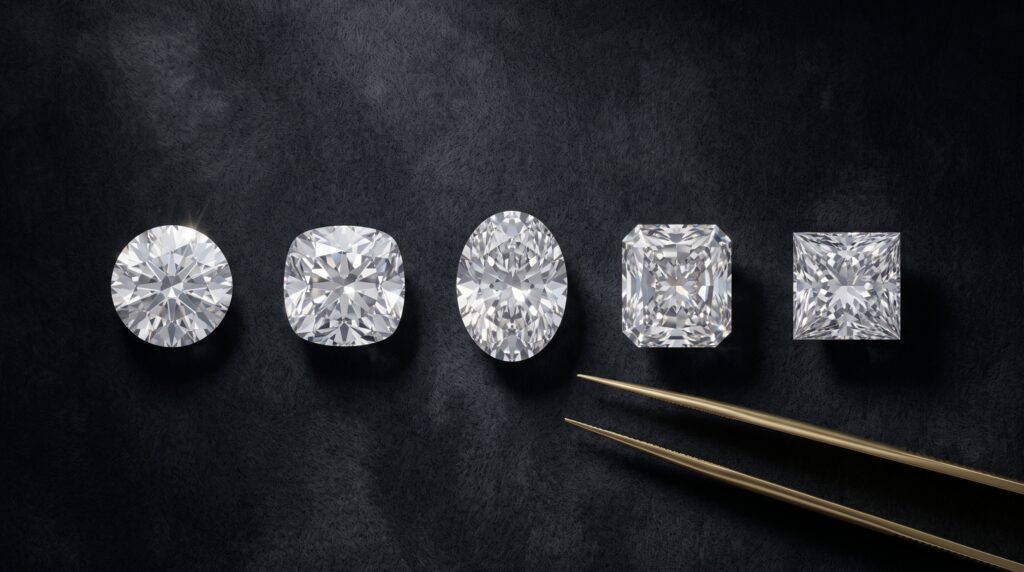
Not every buyer weighs these three factors the same way. Here is what tends to matter most depending on who is shopping and why.
Brilliance: The White Light Return
Brilliance comes from light entering the diamond’s table and reflecting off the pavilion facets back to the eye. This is what gives a diamond that bright, almost white glow. Buyers who want a classic, eye-catching stone for daily wear should prioritize this factor above all else.
Round brilliant and cushion cuts are engineered specifically to maximize this effect, thanks to their facet count and symmetry. A diamond with strong brilliance will look bright and lively even under flat, indoor office lighting, which matters more than most shoppers realize for everyday wear.
Fire: The Rainbow Flash
Fire happens when white light splits into its spectral colors as it passes through the diamond, similar to a prism. Fancy shapes like radiant and pear cuts tend to show noticeable fire. Buyers drawn to colored flashes and dramatic photography shots usually care most about this trait.
Fire tends to show up most under a single, direct light source, like candlelight or a spotlight, rather than broad daylight. This is why a diamond that looks fairly plain in a bright showroom can suddenly flash brilliant color under warm evening lighting at a dinner or event.
Scintillation: The Movement Sparkle
Scintillation is the flickering pattern of light and dark you see as the diamond, the hand, or the viewer shifts position. It is closely tied to Diamond Scintillation grading standards used by gemologists. Buyers who want a ring that feels alive under restaurant lighting or on a dance floor should pay attention here.
Beyond these three, buyers also encounter related terms like pinfire (tiny concentrated sparkle points, ideal for smaller melee stones), contrast pattern (the light-dark checkerboard effect prized in step cuts), and bowtie effect (a dark shadow visible in elongated shapes like ovals and marquise, which some buyers see as a flaw and others accept as a shape characteristic). Manufacturers producing fancy shape stones watch all of these closely, since a poorly cut pavilion can kill fire even in a diamond with excellent clarity grade paperwork.
Diamond Brilliance vs Diamond Fire, the Real Difference
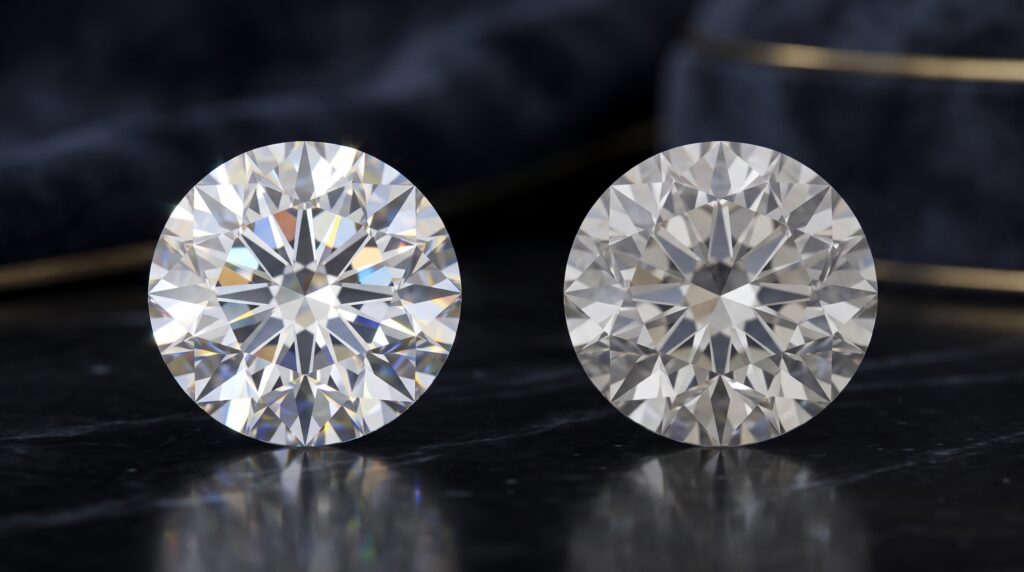
Most buyers use “sparkle” as a catch-all word, but brilliance and fire are not the same optical event, and confusing them leads to disappointment at the counter.
| Factor | Brilliance | Fire |
|---|---|---|
| Light behavior | White light reflection | Light dispersion into spectral colors |
| Best seen under | Bright, direct lighting | Moving or spotlighted lighting |
| Most visible in | Round brilliant, cushion | Radiant, princess, pear |
| Depends heavily on | Table and pavilion angles | Facet arrangement and crown angle |
| Buyer priority | Daily wear, office lighting | Evening wear, event photography |
The truth is that a diamond with strong brilliance but weak fire can still look impressive in daylight while falling flat under candlelight. That is why Diamond Fire needs to be evaluated separately from overall brightness, especially when a customer is choosing between two well-cut stones of similar clarity grade and carat weight. A diamond cutter who optimizes purely for brilliance can sometimes sacrifice fire, and the reverse is also true, so the best cutters balance both.
How to Choose the Right Light Performance for Your Style
Choosing a diamond based on sparkle alone is not enough. Here is how to match light performance to your actual lifestyle and budget.
- Personal style fit. If you prefer a bold, high-contrast look, prioritize scintillation. If you want soft, classic elegance, prioritize brilliance.
- Hand and finger compatibility. Elongated fancy shapes can visually lengthen fingers but may show more bowtie effect, which affects perceived sparkle in certain lighting.
- Setting compatibility. Prong settings expose more surface area to light, boosting scintillation, while bezel settings can slightly mute it.
- Budget advantage. A well-cut diamond in the G-H color range often outperforms a poorly cut D color stone in visible sparkle, saving thousands without sacrificing beauty.
- Occasion. Engagement rings worn daily benefit from strong all-around brilliance, while fashion jewelry worn to events can lean into dramatic fire.
- Lab-grown vs natural. Lab-grown diamond brilliance vs natural is a common question, and the answer is straightforward: since Lab Grown Diamonds share identical optical and chemical properties with mined stones, their light performance is scientifically indistinguishable when cut to the same proportions.
Before you finalize your choice, hold the diamond under three different light sources, indoor warm light, outdoor daylight, and a jeweler’s spotlight, and watch how it behaves in each one.
What B2B Buyers and Diamond Manufacturers Should Know
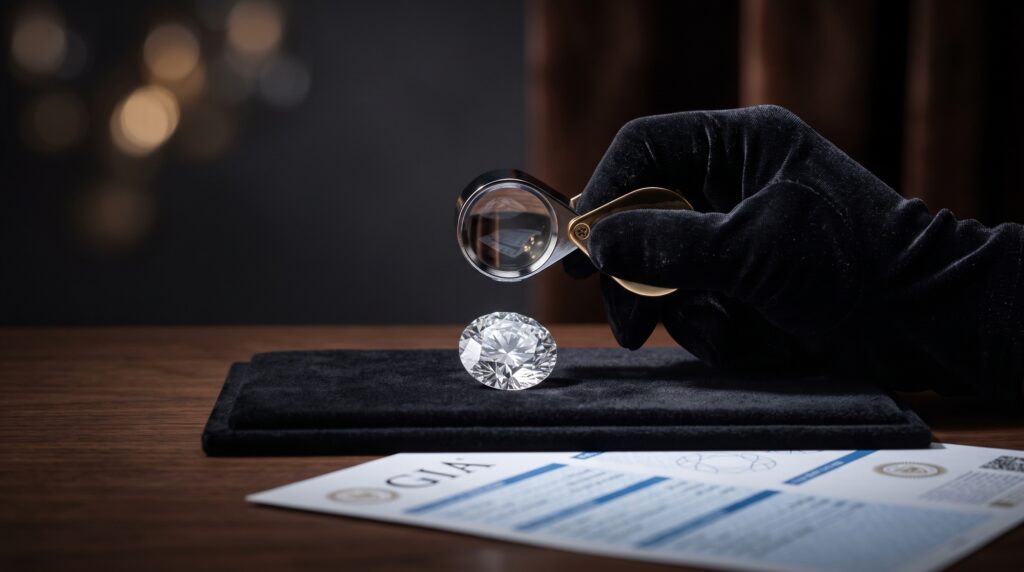
Wholesalers and retailers sourcing in bulk face a different challenge than individual shoppers. Consistency across a parcel matters more than any single showstopper stone. When grading cut quality at scale, buyers should request angle and proportion reports alongside standard certification, since two stones both labeled “Excellent” cut can still show measurably different diamond brilliance fire scintillation under a diamond scope. This becomes especially important when filling repeat orders for a retail client, since a customer who loved one stone’s sparkle will notice if the next parcel does not match that same level of diamond brilliance fire scintillation.
GIA and IGI both grade cut on a five-tier scale for round brilliants, but fancy shapes lack a universal cut grade, which makes manufacturer reputation and in-house grading discipline critical. A fancy cut diamond manufacturer that documents pavilion angle, crown angle, and table percentage on every stone gives retailers far more confidence than one relying on certificate shorthand alone. These additional measurements help predict diamond brilliance fire scintillation, allowing buyers to compare actual light performance rather than relying solely on the grading report. Rapaport pricing also weighs cut quality heavily for fancy shapes, since a poorly proportioned stone can trade well below list price regardless of colour or clarity grade. Buyers who skip this documentation often find out the hard way during a return dispute, when there is no data to point to beyond a generic cut grade on paper, making it difficult to verify whether the expected diamond brilliance fire scintillation was ever present.
In my experience working with cutting houses, the biggest quality gap in the market shows up in oversized tables cut purely to maximize apparent carat weight, which quietly kills brilliance. Manufacturers like Lepdo Diamonds, based in Surat’s diamond manufacturing hub, grade CVD and HPHT stones against these proportion benchmarks before certification, which is worth asking any supplier about directly. For sourcing questions around Diamond Cut consistency across fancy shape parcels, working with a manufacturer that documents angles stone by stone saves significant time on returns. It also protects margins in the long run, since fewer disputes and reworks mean fewer stones sitting unsold in inventory while a buyer waits on a resolution.
Diamond Jewelry Trends in the USA (2026 to 2027)
Fancy shape diamonds are pulling ahead in engagement ring sales, with radiant, oval, and cushion cuts gaining ground against the long-dominant round brilliant. Red carpet exposure and social media styling have pushed elongated shapes into mainstream demand over the past two years, and retailers report growing requests for stones that deliver exceptional diamond brilliance fire scintillation, rather than focusing solely on traditional round-cut sparkle.
Mixed metal settings are also trending, pairing yellow gold bands with white gold or platinum prong heads to maximise diamond brilliance fire scintillation by allowing more light to enter and reflect through the center stone. Halo settings remain popular but are shifting toward thinner, more delicate pavé work that lets the diamond’s light performance take center stage instead of competing with a bulky frame.
Industry data from trade shows in early 2026 pointed to a noticeable rise in fancy cut diamond jewellery orders for both bridal and fashion categories, a trend expected to continue through 2027 as lab-grown supply makes larger fancy shapes more accessible to mid-market retailers. As buyers become more educated, diamond brilliance fire scintillation is increasingly influencing purchasing decisions, with consumers prioritising superior light performance over carat weight alone.
How to Evaluate Quality in Diamond Light Performance
When I assess a diamond for light performance, the first thing I check is the pavilion angle, because even a fraction of a degree off can throw light out the sides instead of back through the crown. This directly impacts diamond brilliance fire scintillation, as proper proportions determine how effectively a stone reflects, disperses, and returns light to the viewer.
From there, I move through table percentage, symmetry, and polish before ever looking at color or clarity grade. These factors work together to influence the overall diamond brilliance fire scintillation experience, helping determine whether a diamond appears lively and bright or dull and lifeless under different lighting conditions.
Here are the checks I recommend every buyer or grader run through:
- Check pavilion depth against ideal proportions for that specific shape, since fancy cuts do not follow round brilliant standards.
- Look for dark or washed-out zones across the table, which signal light leakage rather than light return.
- Rotate the stone slowly under a single light source and count distinct sparkle flashes across the surface.
- Compare table percentage against GIA or IGI benchmarks, since an oversized table often reduces fire noticeably.
- Verify certification before assessing anything else, since Diamond Light Performance claims mean little without a documented clarity grade and cut analysis behind them.
You will want to pay attention to how the stone photographs under flash lighting too, since online buyers increasingly judge sparkle through a screen before ever seeing the stone in person.
Conclusion
Sparkle is not one thing. It is three separate optical events working together, and understanding diamond brilliance fire scintillation changes how you shop, whether you are picking an engagement ring or sourcing parcels for a retail floor. Cut quality drives all three far more than carat weight or even color grade ever will.
To be fair, round diamonds still dominate total engagement ring sales in the USA, but fancy shapes are closing that gap fast as buyers get more educated about light performance. Most buyers walk in focused on size and walk out talking about sparkle instead, once they see two similar stones side by side under the same light. That shift in thinking is exactly why cut quality deserves more attention than it usually gets at the counter.
Here is what matters most going forward: a diamond’s true beauty shows up in how it behaves across different lighting, not just how large it looks on a spec sheet. When you understand diamond brilliance fire scintillation, it becomes much easier to compare stones based on real visual performance rather than relying only on the grading report. Think of it this way: a certificate tells you what a diamond is made of, but only your own eyes, under real light, tell you how it will actually feel to wear every day.
Retailers sourcing certified lab-grown diamonds can explore Lepdo Diamonds‘ current stock for parcels graded specifically against these light performance standards. Whether you are choosing your own ring or building out a case for customers, the goal is the same: a diamond that earns its sparkle through precision cutting, not just size on a certificate. Understanding diamond brilliance fire scintillation is the key to selecting diamonds that consistently impress under everyday lighting. That is the difference a trained eye, and a trusted supplier, can make.
Frequently Asked Questions About Diamond Brilliance, Fire and Scintillation
1. What is diamond brilliance fire scintillation?
Diamond brilliance fire scintillation is the combined term for three separate light effects in a polished diamond: white light return (brilliance), colored light dispersion (fire), and movement-based sparkle (scintillation). Together, they determine how lively and bright a diamond appears under different lighting conditions, independent of its carat weight or price point.
2. Is strong fire cheaper to achieve than strong brilliance?
Not necessarily. Both depend on precise faceting rather than raw material cost, so price differences come from overall cut grade and shape rarity, not from targeting one light effect over another. A well-cut stone in either category typically costs more than a poorly proportioned one of the same carat weight.
3. Which diamond shape looks biggest or most impressive for its carat weight?
Elongated shapes like oval, marquise, and pear tend to look larger than their carat weight suggests because they have more surface area visible from the top. Round and cushion cuts, while excellent for brilliance, often appear more compact for the same weight due to their proportions.
4. Does diamond brilliance fire scintillation have an official GIA cut grade?
GIA issues a formal cut grade only for round brilliant diamonds, rating them from Excellent to Poor. Fancy shapes are not assigned an official GIA cut grade, so buyers must rely on proportion reports, polish and symmetry ratings, and visual inspection to judge light performance accurately.
5. What is the biggest quality risk with diamond light performance?
The biggest risk is an oversized table cut to inflate apparent carat weight at the expense of brilliance and fire. This creates a diamond that looks large on paper but appears flat or glassy in person, which is why proportion checks matter more than carat weight alone.
6. Are lab-grown diamonds as sparkly as natural diamonds?
Yes. Lab-grown diamonds share identical crystal structure and optical properties with natural diamonds, so brilliance, fire, and scintillation are physically the same when cut to matching proportions. The light performance difference, if any, comes from cut quality, not from the diamond’s origin.
7. Which light performance factor matters most for an engagement ring?
Brilliance typically matters most for engagement rings since they are worn daily under varied lighting, including office and outdoor light. That said, buyers who want a dramatic evening look often weight fire and scintillation more heavily when choosing a fancy shape.
8. How do I choose a reliable diamond manufacturer or supplier?
Look for a supplier that documents proportion reports alongside GIA or IGI certification for every stone, rather than relying on grade shorthand alone. Ask about pavilion angle data, return policies on cut quality disputes, and whether they offer sample parcels before committing to bulk orders.