How to Buy Diamonds in Bulk: A Step-by-Step Guide for Wholesale Buyers
 by lepdogroup@gmail.com
0 comments
by lepdogroup@gmail.com
0 comments
Buying diamonds in bulk simply means purchasing loose stones in parcels or larger quantities, usually straight from a manufacturer, instead of picking up one stone at retail price. It matters because certification and cut consistency, not just the price tag, decide whether the deal actually pays off. Buyers can review certified parcel options through Lepdo Diamonds’ Surat network.
A jeweler in Dallas told me once that her first bulk order cost her almost $40,000, and not in a good way. She’d trusted a broker’s word instead of asking to see GIA paperwork on the actual stones in the box.
I hear some version of that story more often than you’d think. Learning how to buy diamonds in bulk isn’t really about chasing the lowest price per carat, even though that’s what pulls most people in. It’s about understanding certification, how carat weight gets distributed across a parcel, and whether the supplier on the other end of the email is someone you can actually rely on.
Maybe you’re a retailer stocking your first case. Maybe you’re a manufacturer looking to expand fancy shape inventory, or an investor trying to build something long-term. Either way, this guide walks through what actually matters, what to ask before you wire money anywhere, and where first-time buyers tend to get burned.
What Buying Diamonds in Bulk Actually Means
Buying diamonds in bulk means purchasing loose diamonds in larger quantities, often as parcels or matched lots, directly from a manufacturer or wholesale supplier rather than one stone at a time from a retail counter. It usually involves negotiated per-carat pricing, some kind of minimum order threshold, and a direct sourcing relationship instead of the layered markups you’d hit buying retail.
Quick Info Box
- Definition: Purchasing multiple loose diamonds together, usually below standard retail price, through a wholesale or manufacturer channel.
- Key Types or Varieties: Melee parcels, matched pairs, calibrated lots, single large stones bought in volume, mixed fancy shape lots, lab-grown bulk contracts.
- Best For: Retailers, manufacturers, jewelry brands, private label sellers, resale-focused investors.
- Key Difference or Advantage: Lower per-carat cost and direct access to certified stock, skipping the markups baked into standard Diamond Retail channels.
This is a different game entirely from casual Diamond Wholesale shopping, where you’re picking out one certified stone for one customer. Bulk buying wants a business mindset. A real budget. And a supplier who can hold quality steady across dozens or hundreds of stones, not just the one they showed you in the sample photo.
Most Popular Ways to Buy Diamonds in Bulk And Who They Are For
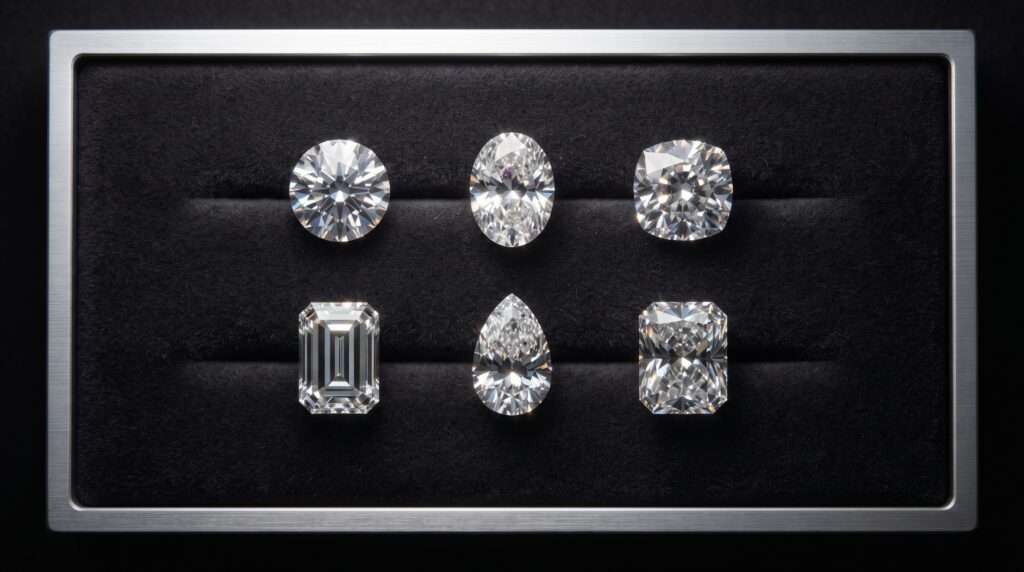
There’s no single right path into this. Most buyers end up on one of the routes below, depending on how much capital they have and what they’re actually trying to stock.
Direct Manufacturer Sourcing
Buying straight from a cutting and polishing house, often in a hub like Surat, cuts out the middlemen entirely. It suits retailers and brands who want consistent cut quality and don’t mind working with overseas Diamond Manufacturing partners on lead times. It also gives buyers more room to negotiate on larger orders, since pricing isn’t padded by an extra layer of distribution along the way.
Online B2B Marketplaces
These platforms let trade buyers filter by shape, clarity, and carat weight before requesting a parcel. Good starting point if you’re testing bulk buying for the first time and don’t want to commit to a huge minimum order right away. Most also let you compare multiple suppliers side by side, which makes it easier to spot fair pricing before you commit to anyone.
Diamond Tenders and Auctions
Bigger manufacturers and mining houses sell parcels through sealed-bid tenders. This one’s really for established wholesalers with deeper pockets, since tender lots are typically sold as-is, no sampling first. Buyers who go this route usually already have strong in-house grading knowledge, because there’s no room to negotiate once the bid is placed and the lot arrives.
Past these three main routes, you’ve also got diamond bourses and trade exchanges, private wholesale networks that run mostly on referrals, calibrated melee suppliers feeding mass production jewelry, and dedicated lab grown diamonds bulk purchase programs. Bridal brands lean toward lab-grown contracts more and more these days, mostly because supply is predictable and costs don’t swing as hard. Fashion jewelry manufacturers tend to favor melee parcels for volume work, since consistency across thousands of tiny stones matters more than any single piece standing out. Investment buyers, on the other hand, usually skip melee entirely and go straight to certified single stones through a trusted Loose Diamond Wholesale supplier, where documentation and long-term value matter more than volume.
Bulk Buying vs Retail Buying The Real Difference
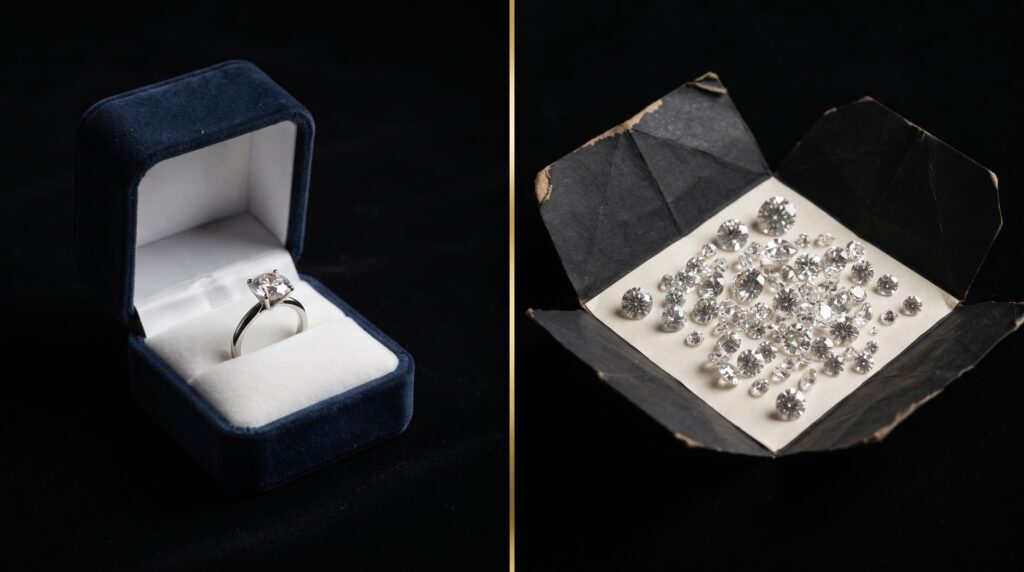
Retail and bulk buying aren’t solving the same problem, which is why comparing prices between them gets confusing fast.
| Factor | Bulk Buying | Retail Buying |
|---|---|---|
| Pricing structure | Negotiated wholesale bulk diamond pricing per carat | Fixed retail markup, often 100 to 200% above cost |
| Minimum quantity | Often requires a diamond bulk order minimum | Single stone, no minimum |
| Certification access | Direct GIA/IGI reports from supplier | Retail-provided documentation, sometimes limited |
| Turnaround time | Days to weeks, depending on parcel matching | Immediate, in-store |
| Buyer expertise needed | Moderate to high, grading knowledge helps a lot | Low, sales staff guide the process |
The truth is, retail buying works just fine for one engagement ring. But it makes almost no sense for anyone trying to build inventory. A jeweler paying retail rates for twenty stones is basically handing margin to someone else’s business. Bulk buying rewards people who actually understand grading and negotiate honestly, which is exactly why knowing your certification basics matters before you place a large order, not after.
How to Choose the Right Bulk Diamond Buying Strategy for Your Style
Not every sourcing method fits every business. Walk through these six factors before you commit real money.
- Match the strategy to your business model. A bridal-focused retailer needs different stock than a manufacturer cranking out thousands of small accent pieces.
- Check your storage and cash flow first. Large parcels tie up capital quickly. Make sure you can hold inventory without choking your cash flow.
- Think about the setting and use case. Stones going into mass production settings need tighter calibration than a one-off statement piece would.
- Compare the actual budget advantage. Run the numbers against your existing Diamond Budget to confirm bulk pricing genuinely beats what you’re already paying.
- Define what the purchase is for. Engagement ring inventory, fashion lines, and long-term holdings all want different clarity and color mixes.
- Decide between lab-grown and natural early on. More retailers are shifting toward bulk lab grown diamonds purchase programs because pricing holds steadier, and it tends to hold up well against Lab Grown Diamond Resale Value trends too.
Before you finalize your choice, sit down and map out how many stones you can realistically move in six months. Unsold bulk inventory has a quiet way of eating profit no matter how good the original deal looked on paper.
What B2B Buyers and Diamond Manufacturers Should Know
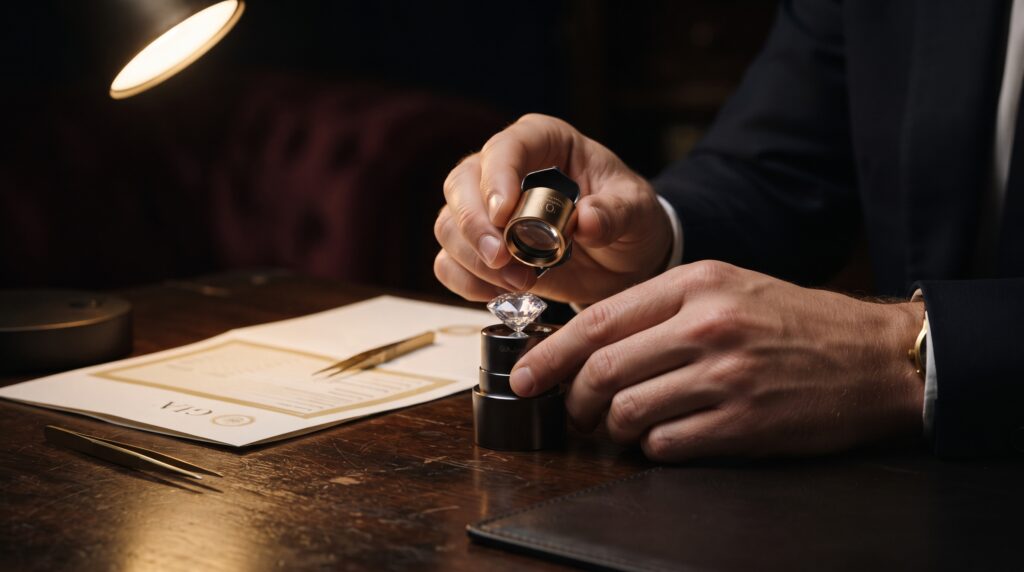
Wholesalers and manufacturers deal with a different set of risks than someone buying one ring, and honestly, price is rarely the deciding factor once you’ve done this a few times.
Cut grading consistency matters more in bulk than it does in a single purchase. Even small variation across a parcel can hurt how the whole lot resells later. Solid suppliers grade against GIA and IGI standards specific to the shapes they’re cutting, and anyone sourcing fancy shapes should ask for shape-specific grading notes instead of settling for a generic certificate. Rapaport pricing is still the benchmark most people negotiate against, though actual transaction prices usually land at a discount depending on clarity, fluorescence, and where demand sits at the moment across the Diamond Industry.
In my experience, the buyers who get burned are almost always the ones who skip asking for a sample parcel before committing to the full order. Five or ten stones tell you more about a supplier’s real consistency than any sales call will. Manufacturers like Lepdo Diamonds, based out of Surat’s manufacturing hub, typically offer sample parcels to verified B2B accounts before larger orders go through, which is fairly standard practice among serious Loose Diamond Wholesale suppliers. You’ll want to pay attention to how fast a supplier answers grading questions too, since a slow or vague response usually means trouble later.
Bulk Diamond Buying Trends in the USA (2026 to 2027)
Bulk buying patterns are shifting fast across the American trade right now. Lab-grown diamonds now make up a substantial share of engagement ring unit sales in the US, and that alone is pushing more retailers toward bulk lab-grown contracts instead of small, repeated orders. A few years back, most wholesalers treated lab-grown as a side category. Now it’s often the first thing new retail accounts ask about when they reach out for pricing.
Fancy shape jewelry keeps gaining ground on round stock too, especially oval, cushion, and radiant cuts. Some of that is celebrity engagement buzz, some of it is just social media styling trends doing their thing, and some of it comes down to buyers wanting a bigger visual look without paying for extra carat weight. Retailers who stock fancy cut diamond jewellery in bulk are generally seeing better sell-through than those leaning only on round inventory, especially in the mid-price bridal segment where shoppers are actively comparing options online before ever walking into a store.
Direct-to-manufacturer sourcing is picking up as well, as independent jewelry brands skip the traditional distributor layers altogether and build relationships closer to the source. Most buyers I talk to now expect transparent, itemized pricing rather than one bundled quote, which says a lot about where accountability is heading across the supply chain. That shift alone has changed how negotiations happen, since buyers show up already knowing roughly what a fair Rapaport-based rate should look like.
How to Evaluate Quality in Bulk Diamond Parcels
When I assess a bulk parcel, the first thing I check isn’t the top stone in the photo. It’s cut consistency across every single piece in the lot.
Brilliance, fire, and scintillation all come down to proportions, so a parcel with wildly inconsistent pavilion depth or table percentage will underperform no matter how decent the certificates look on paper. Color grading nuances matter more at scale too. A batch that drifts across several color grades ends up looking mismatched once it’s mounted side by side in the same jewelry line.
Here is what I’d check before signing off on any bulk order:
- Request length-to-width ratio data for each shape, especially elongated cuts, which are prone to a visible bowtie effect.
- Cross-check GIA or IGI certification numbers against the physical stones, not just the paperwork someone hands you.
- Ask for light performance photos or video under consistent lighting, not the one polished hero shot.
- Confirm clarity grade distribution across the whole lot, not just the best few stones pulled to the front.
- Compare depth percentage ranges to spot stones cut for weight retention rather than actual light return.
Anyone reviewing Loose Diamonds at scale should treat certification as a starting point for verification, not the final word on quality.
Conclusion
Buying diamonds in bulk rewards people who treat it like a business decision, not a bargain hunt. Certification accuracy, cut consistency across the whole parcel, and a supplier who actually answers your questions matter far more than the headline price per carat. Skipping sample verification is still the most common mistake I see first-time bulk buyers make, over and over. To be fair, retail buying makes plenty of sense for a one-off engagement ring. It just rarely holds up once you’re stocking inventory at scale.
Think of it this way: a slightly higher price from a supplier who grades consistently and picks up the phone will always beat a cheaper lot full of surprises. Most buyers only learn this after their first bad parcel, and by then it’s an expensive lesson rather than a free one. The businesses that last in this trade are the ones that build real supplier relationships instead of chasing whoever quotes the lowest number that week.
If you’re researching how to buy diamonds in bulk, you can browse our Loose Diamonds collection and connect directly with sourcing specialists based in Surat.
For wholesale inquiries on certified lab-grown parcels, Lepdo Diamonds’ team works directly with international retailers on questions specific to their business. Done right, bulk buying builds a stronger business, not just a longer inventory list.
Frequently Asked Questions About Buying Diamonds in Bulk
1. What is buying diamonds in bulk?
Buying diamonds in bulk means purchasing multiple loose diamonds at once, usually as a parcel or matched lot, directly from a manufacturer or wholesale supplier at negotiated per-carat pricing. It differs from retail buying, which involves a single stone at fixed markup. Bulk buying suits retailers, manufacturers, and resale-focused investors building inventory.
2. Is bulk buying cheaper than retail purchasing?
Yes, bulk buying is typically significantly cheaper than retail purchasing per carat. Retail prices often include markups of 100% or more to cover overhead, staffing, and store margin. Bulk pricing reflects wholesale rates closer to Rapaport benchmarks, though buyers still need grading knowledge to negotiate fair terms and avoid overpaying for uneven quality.
3. Which bulk lot type looks biggest or most impressive?
Matched parcels of elongated fancy shapes, such as oval or emerald cuts, generally appear more impressive per carat than round brilliant lots. Their larger surface area creates a bigger visual footprint for the same weight. Buyers stocking statement jewelry often prioritize these shapes for stronger showroom presentation and customer appeal.
4. Does every stone in a bulk parcel have a GIA cut grade?
Not always. GIA only issues formal cut grades for round brilliant diamonds; fancy shapes receive detailed proportion data instead. Reputable suppliers still document pavilion depth, table percentage, and symmetry for fancy cuts, so buyers should request this data specifically rather than assuming a certificate alone confirms cut quality.
5. What is the biggest quality risk with bulk diamond buying?
Inconsistent cut quality across the parcel is the biggest risk in bulk diamond buying. A lot can carry excellent certificates individually while still varying wildly in brilliance and proportions when mounted together. Requesting a sample parcel before full commitment remains the most reliable way to catch this issue early.
6. Are lab-grown diamonds as good as natural diamonds in bulk lots?
Lab-grown diamonds carry the same physical, chemical, and optical properties as natural diamonds and are graded using identical GIA and IGI standards. For bulk buyers, lab-grown stock often offers more consistent supply and pricing stability, making it an increasingly popular choice for retailers scaling inventory without market volatility concerns.
7. Which bulk-sourced shape works best for engagement rings?
Round, oval, and cushion cuts remain the strongest sellers for engagement ring inventory in bulk sourcing. Round brilliants dominate overall demand, though oval and cushion shapes have grown steadily due to their larger visual size per carat and strong compatibility with vintage and modern setting styles.
8. How do I choose a reliable bulk diamond manufacturer or supplier?
Look for suppliers offering GIA or IGI certification as standard, transparent Rapaport-based pricing, and a willingness to provide sample parcels before large orders. Check their manufacturing location, response time to grading questions, and existing retailer relationships. Reliable suppliers never pressure buyers into skipping verification steps.