Fancy Color Lab Grown Diamonds in India: Yellow, Pink, Blue and More at Wholesale Prices
 by lepdogroup@gmail.com
0 comments
by lepdogroup@gmail.com
0 comments
Fancy color lab grown diamonds from India are chemically and optically identical to mined colored diamonds, produced in controlled lab environments using CVD or HPHT technology. For buyers, this means vivid yellow, pink, blue, and green diamonds at a fraction of natural prices, with full IGI certification. Lepdo Diamonds supplies these stones wholesale directly from India to retailers and manufacturers worldwide.
A vivid pink diamond that would cost $80,000 per carat in its natural form can now be produced in a lab for a fraction of that price, and the leading source for these stones is India. That single fact has reshuffled how American retailers, jewelry designers, and wholesale buyers think about building their colored diamond inventory. Fancy color lab grown diamonds India has become one of the fastest-growing categories in the B2B diamond trade, and for good reason.
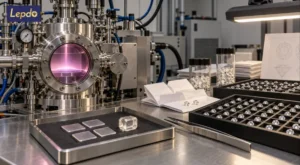
The technology behind these stones has matured significantly. CVD (Chemical Vapor Deposition) and HPHT (High Pressure High Temperature) processes now produce colored lab diamonds with the same chemical composition, crystal structure, and optical properties as their mined counterparts. IGI-certified stones with consistent cut quality and graded color saturation are shipping out of Surat and Mumbai to buyers across New York, Los Angeles, and beyond.
This post covers what these diamonds actually are, which colors and types matter most to buyers, how to evaluate quality, and what wholesale sourcing from India really looks like for serious trade buyers.
What Are Fancy Color Lab Grown Diamonds?
Fancy color lab grown diamonds are real diamonds produced in laboratory conditions, where trace elements or post-growth treatments introduce specific color into the crystal. Yellow comes from nitrogen. Blue comes from boron. Pink and red result from lattice distortions introduced during the growth process. The result is a polished diamond that is physically and chemically identical to a natural colored diamond, graded on the same 4Cs scale used by GIA and IGI.
Quick Info Box
- Definition: A real diamond grown in a lab with induced color saturation, graded to fancy color standards by IGI or GIA
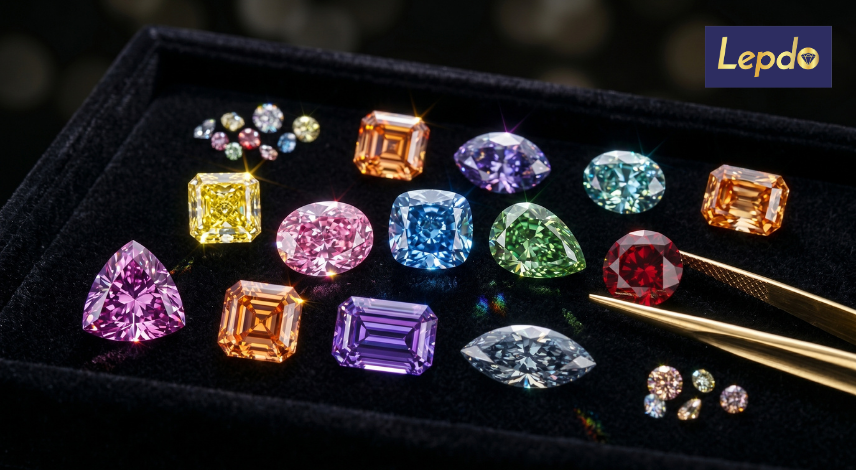
- Key Types: Yellow, pink, blue, green, black, red, orange, purple
- Best For: Engagement rings, fashion jewelry, wholesale inventory, designer collections, investment-grade jewelry
- Key Advantage: 60 to 80 percent lower cost than equivalent natural fancy color diamonds, with full certification
Explore the full collection at Fancy Color Diamonds from Lepdo Diamonds to see current availability across colors and carat weights.
Most Popular Types of Fancy Color Lab Grown Diamonds and Who They Are For
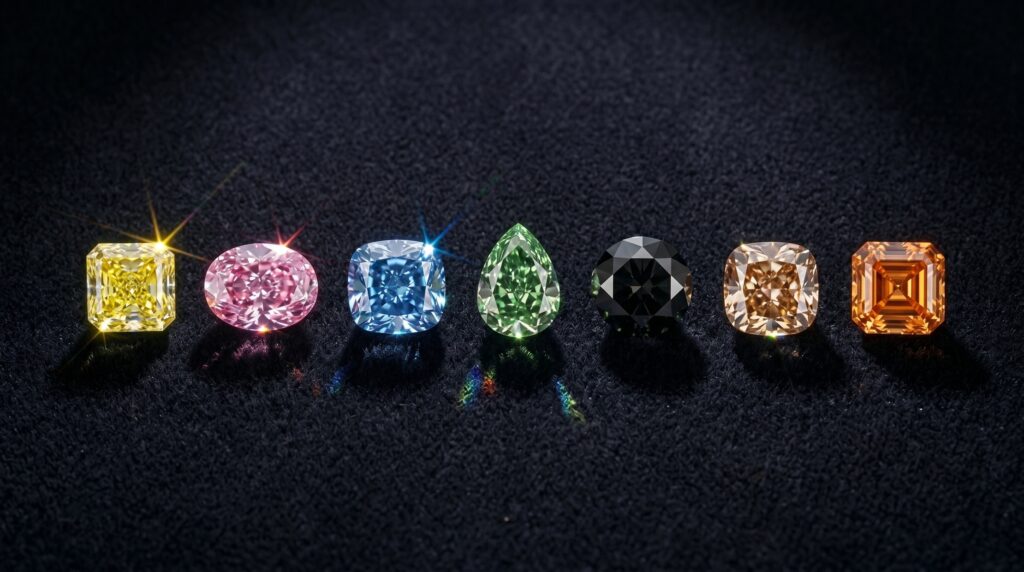
The color range available from Indian lab diamond manufacturers today covers nearly every shade on the natural spectrum. Here is what each major color category offers, and which buyers should be paying attention.
Yellow Lab Diamonds
Yellow is the single most in-demand fancy color category, and it accounts for the largest share of lab-grown color production globally. The color ranges from Fancy Light Yellow to Fancy Vivid Yellow, with Fancy Intense and Vivid grades commanding the highest retail prices. Yellow comes from nitrogen atoms trapped in the crystal lattice, and the intensity can be precisely controlled in HPHT production.
Most buyers sourcing Yellow Diamonds wholesale are jewelry retailers building engagement ring collections, bridal designers who want an accessible alternative to the canary diamond, and chain stores that need consistent color saturation across multiple SKUs. The price advantage over natural yellow diamonds is dramatic, often 70 percent or more per carat.
Pink Lab Diamonds
Pink is the prestige play in fancy color lab diamonds. Natural pink diamonds from legacy sources have become nearly unattainable for most buyers, making lab-grown the default choice for any brand that wants true pink diamond jewelry in its catalog.
Pink Diamonds in lab-grown form range from delicate Fancy Light Pink to deeply saturated Fancy Vivid Pink, with rose and purplish-pink secondary hues available depending on the growth process. The buyer base here includes luxury jewelry brands, custom bridal designers, and increasingly, direct consumers who want something emotionally meaningful without a six-figure price tag.
Blue Lab Diamonds
Blue lab diamonds are produced using boron doping during the CVD or HPHT process. The resulting color mirrors natural blue diamonds in every measurable way. Greyish-blue, violets-blue, and pure blue tones are all achievable. Blue Diamonds appeal to fashion-forward jewelry designers, collectors, and retailers targeting younger consumers who respond to bold color choices.
Green Lab Diamonds
Green lab diamonds achieve their color through post-growth irradiation treatment, the same process that creates color in natural green diamonds. Buyers sourcing Green Diamonds should confirm treatment disclosure, as IGI certification will specify whether the color is treated or as-grown.
Black Lab Diamonds
Black Diamonds have held steady demand in men’s jewelry and alternative engagement ring designs. Lab-grown black diamonds are heavily included stones whose color comes from graphite inclusions, making them opaque with a sleek, modern appearance. They are popular for stackable bands, solitaire pendants, and edgy fashion pieces.
Red and Orange Lab Diamonds
Red Diamonds are the rarest of any color in lab-grown production. True reds require extremely specific lattice deformation and are not produced at scale. Orange lab diamonds are more accessible and have growing demand from buyers targeting sunset-themed or autumnal jewelry collections.
Other Colors: Purple, Champagne, Gray
Purple, champagne, and gray lab diamonds occupy a smaller but consistent niche. These tones work well in fashion jewelry, vintage-inspired settings, and collections built around earth tone palettes.
Fancy Color Lab Grown vs. Natural Fancy Color Diamonds: The Real Difference
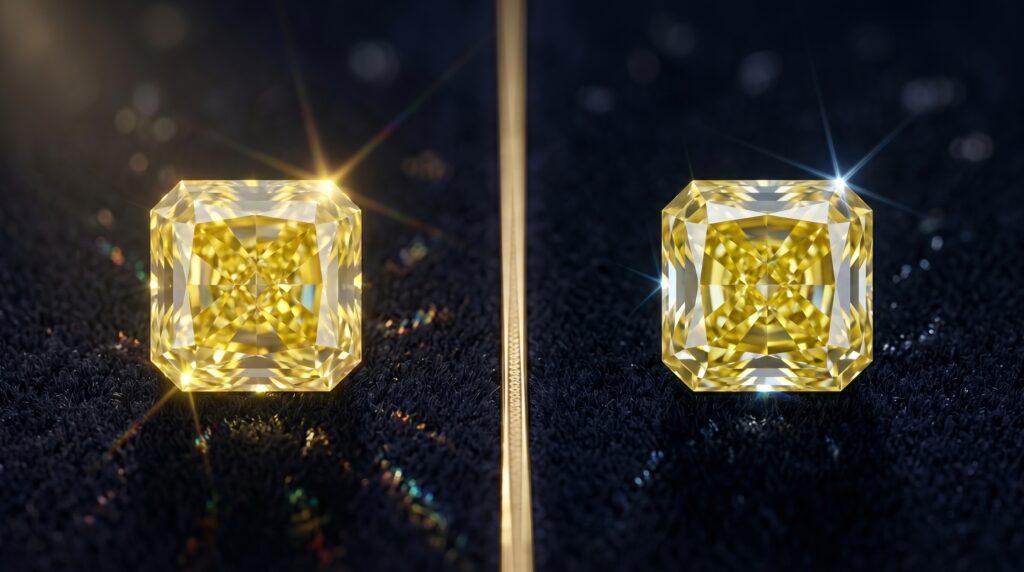
This is the question every serious buyer asks. The answer depends entirely on what your customer values and what your price point requires.
| Factor | Fancy Color Lab Grown | Natural Fancy Color |
|---|---|---|
| Price Per Carat | 60 to 80% lower | Premium, often extreme |
| Chemical Composition | Identical (carbon) | Identical (carbon) |
| IGI / GIA Certification | Available for both | Available for both |
| Resale / Investment Value | Lower secondary market | Strong secondary market |
| Color Consistency | Controllable, scalable | Unpredictable per stone |
The truth is, the physical diamond is the same material in both cases. What differs is the origin story, the rarity premium, and the long-term resale dynamic. For B2B buyers building commercial jewelry lines, lab-grown colored diamonds from India offer a level of price stability and supply consistency that natural stones simply cannot match. A retailer who needs 50 matching Fancy Intense Yellow ovals for a collection cannot reliably source those from the natural market. They can source them from India in four to six weeks.
That said, there remains a segment of high-net-worth consumers who specifically want the rarity and provenance of a natural fancy color diamond. For those buyers, natural is still the answer. But for the vast majority of engagement ring shoppers and fashion jewelry buyers in the USA today, colored lab grown diamonds India delivers the look and the certification at a price that makes the sale.
How to Choose the Right Fancy Color Lab Grown Diamond for Your Style
Buying a fancy color lab diamond is not complicated once you know what to prioritize. These six decision factors will get you to the right stone faster.
- Color intensity and tone. Fancy color diamonds are graded on a scale from Faint to Fancy Vivid. For retail jewelry, Fancy Intense and Fancy Vivid grades photograph best, hold customer attention, and justify premium retail pricing. Fancy Light grades work well in multi-stone settings where color is a subtle accent.
- Shape and face-up size. Elongated shapes like oval, pear, and radiant tend to show color more intensely face-up than round brilliants. If you want maximum color saturation visible to the eye, radiant cut is the industry standard choice for fancy color diamonds. Round shapes can appear lighter in color even at the same grade.
- Setting compatibility. Yellow and orange diamonds work beautifully in yellow gold settings, which reinforce the warm tone. Pink and blue stones read best in white gold or platinum, where the cool metal contrasts cleanly with the color. Think of it this way: the setting is not just holding the stone, it is part of the color story.
- Budget advantage by color. Yellow lab diamonds offer the most favorable price-to-impact ratio in the entire fancy color category. Pink and blue stones carry a premium even in lab-grown form due to higher production complexity. If your customer wants maximum visual drama per dollar, yellow or champagne are the smart starting points.
- Occasion and use case. Engagement rings typically call for Fancy Intense or Vivid grades in a larger carat weight. Fashion jewelry and stackable bands are better served by smaller stones in Fancy or Fancy Light grades, where price allows for creative multi-stone designs. Investment buyers should prioritize GIA or IGI graded Fancy Vivid stones in popular shapes.
- Lab-grown vs. natural decision for your buyer. Most buyers sourcing Lab Grown Diamonds wholesale today understand that the physical product is equivalent. The value decision comes down to what story you want to tell in the sale. Lab-grown allows you to offer a certified, vivid color diamond at a price point that creates actual conversion, not just aspiration.
Before you finalize your choice, consider whether you need IGI certification on every stone or whether you are sourcing for a melee or accent program where grading reports are not standard. The answer changes your sourcing strategy and your unit economics significantly.
What B2B Buyers and Diamond Manufacturers Should Know
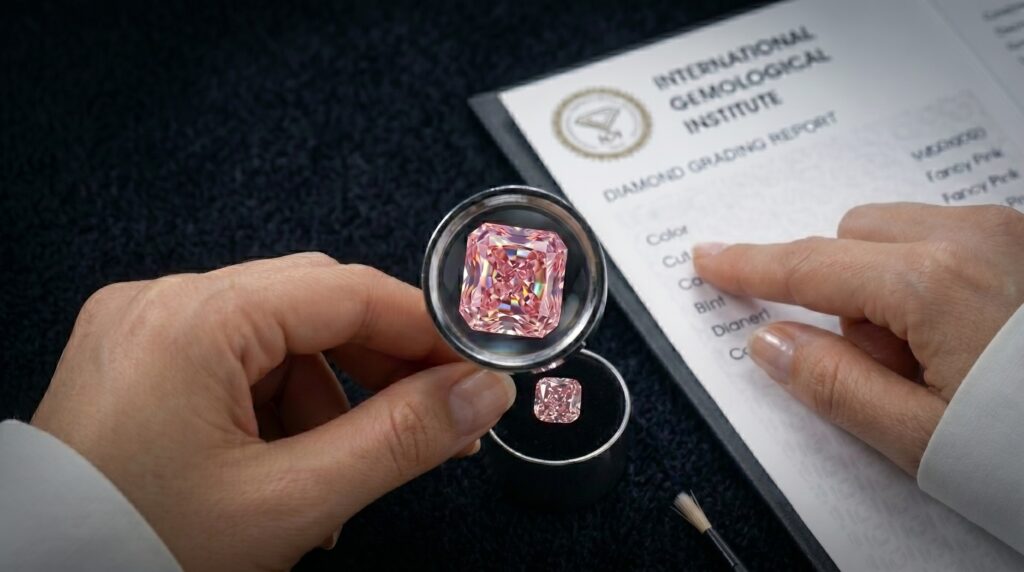
Here is what changes when you start sourcing colored lab grown diamonds from India at the wholesale level: the rules of natural fancy color sourcing do not fully apply.
Natural fancy color diamonds are priced on a stone-by-stone basis, driven by Rapaport price lists, individual color assessments, and origin premiums. Lab-grown fancy color diamonds from Indian manufacturers are increasingly priced on a per-carat grid based on color intensity grade, shape, and carat range. This creates real price transparency that most B2B buyers have never experienced in the fancy color space.
For manufacturers building jewelry lines, this means you can lock in cost structures weeks ahead of production, which changes how you approach wholesale pricing and catalog planning entirely. IGI certification is the accepted standard for lab-grown colored diamonds in the US market. Most credible Indian manufacturers provide IGI reports as standard. GIA also grades lab-grown colored diamonds, though IGI is more commonly used for this category in the B2B trade.
Cut grading consistency is a key sourcing variable. You will want to pay attention to how your supplier handles cut quality across bulk orders, because fancy shapes do not carry an official IGI or GIA cut grade the way round brilliants do. Symmetry, polish, and depth percentage matter enormously for color face-up performance, and inconsistency across a parcel is the most common complaint from retail buyers.
Explore Diamond Wholesale sourcing information directly at Lepdo Diamonds to understand minimum order quantities and certification standards.
In my experience evaluating parcels from multiple Indian suppliers, the biggest differentiator between a reliable source and a problematic one is not price. It is how consistently they hit their stated color grade across a matched set. Ask for samples before committing to bulk.
Fancy Color Lab Diamond Jewelry Trends in the USA, 2026 to 2027
The fancy color lab diamond category is having a genuine moment in American jewelry retail right now. Several converging forces are shaping what designers are building and what consumers are requesting.
Yellow diamonds have moved from being a niche alternative to a mainstream engagement ring choice. Bridal collections at both independent jewelers and national chains now feature Fancy Intense Yellow center stones, typically in radiant or cushion cuts, set in yellow gold halos or east-west solitaire designs. The “golden ring” trend that swept social media over the past two years has translated directly into sales volume for colored lab diamond manufacturers in India.
Pink lab diamonds are driving significant interest in the fashion jewelry segment. The color’s association with self-expression and its visibility in pop culture has pushed a new generation of buyers toward pink as a serious jewelry color, not just a novelty. Design-wise, pink fancy color diamond jewellery is trending in asymmetric designs, mixed-metal settings, and statement cocktail rings aimed at women buying for themselves.
According to industry tracking data, the lab-grown fancy color segment grew faster than colorless lab diamonds in 2024 and maintained that trajectory into 2025. Blue and green diamonds are poised for the next wave, particularly as designer awareness of irradiation-treated lab greens increases in the trade.
Most buyers sourcing for the 2026 holiday and 2027 spring bridal seasons are already reserving inventory for Fancy Intense and Vivid stones in yellow and pink, which tells you where consumer demand is heading.
How to Evaluate Quality in Fancy Color Lab Grown Diamonds
When I assess a fancy color lab diamond, the first thing I check is color distribution across the face-up view, not the certificate grade alone. A stone graded Fancy Vivid Yellow can still show uneven color zones or a pale window in the center if the cut depth is off. The grade tells you the average; your eyes tell you the truth.
Here are the key evaluation factors every serious buyer should apply:
- Color evenness face-up. Tilt the stone under a neutral light source. Color should be distributed consistently across the table and facets. Uneven zones indicate a cut depth or pavilion angle problem.
- Brilliance and fire balance. Fancy color diamonds should show fire and scintillation without sacrificing color saturation. If the stone looks more like a mirror than a colored gem, the cut is too shallow or the table percentage is too large.
- Clarity grade context. For most colored lab diamonds, VS2 to SI1 clarity is acceptable because inclusions are masked by the body color. Prioritize eye-clean over certificate grade. For blue and pink stones where clarity can affect hue, push for VS grades.
- Check the IGI report for treated vs. as-grown color. HPHT-grown yellows and blues are typically as-grown. Irradiated greens and some pinks are treated. Both are legitimate and both are disclosed on the report. Know which you are selling.
- Verify length-to-width ratio matches your setting design. A 1.40 ratio oval looks very different in a thin solitaire than a 1.55 ratio oval in a halo. Get this right before stones go to the bench.
For stones intended for high-value retail or custom bridal, always work from Synthetic Diamonds certification that clearly discloses growth method, color origin, and grading parameters.
Conclusion
Three things stand out clearly when you look at the fancy color lab grown diamond category today. First, India’s manufacturing infrastructure has reached a quality and scale that makes it a genuinely reliable source for commercial buyers, not just an experimental one. Second, the price gap between lab-grown and natural fancy color diamonds is wide enough to unlock entirely new retail price points and customer segments that simply were not accessible before. Third, the certification infrastructure, particularly through IGI, now gives buyers and their customers the documentation confidence that was missing in the category’s earlier years.
The category rewards buyers who approach it with the same rigor they bring to colorless diamond sourcing: defined color grade parameters, verified cut quality, and a supplier relationship built on consistency rather than just price.
If you are building a fancy color collection, expanding your engagement ring catalog, or looking to offer clients access to pink, yellow, or blue diamonds without the natural market’s unpredictability, the starting point is sourcing certified fancy color lab grown diamonds India at the right wholesale tier. Explore the full range of Fancy Color Diamonds at Lepdo Diamonds, or reach out directly to discuss your sourcing requirements.
Color is the future of lab diamond retail. The buyers who build that inventory now will be the ones setting the market standard in 2027.
Frequently Asked Questions About Fancy Color Lab Grown Diamonds from India
1. What are fancy color lab grown diamonds from India?
Fancy color lab grown diamonds from India are real diamonds produced in Indian laboratories, primarily in Surat and Mumbai, using CVD or HPHT technology. They carry the same chemical and optical properties as mined colored diamonds. India is the world’s largest producer of polished lab diamonds, making it the primary global source for wholesale colored lab diamond supply.
2. Are fancy color lab grown diamonds cheaper than natural colored diamonds?
Yes, significantly. Fancy color lab grown diamonds from India are typically 60 to 80 percent less expensive per carat than equivalent natural fancy color diamonds. A one-carat Fancy Vivid Yellow natural diamond might retail above $10,000. A lab-grown equivalent with the same IGI grade can be sourced wholesale for a fraction of that price, making the category commercially viable for retail jewelry brands.
3. Which fancy color lab diamond looks the most impressive in jewelry?
Fancy Vivid Yellow and Fancy Vivid Pink lab diamonds create the strongest visual impact in jewelry. Radiant and cushion cuts maximize color face-up saturation. For pure presence on the finger, a Fancy Vivid Yellow radiant in a yellow gold halo setting delivers showroom-stopping color at a price that works for most retail buyers. Blue in round or oval cuts also photographs exceptionally well for digital retail.
4. Do fancy color lab grown diamonds have a GIA cut grade?
No, and this applies to fancy shapes in both lab-grown and natural categories. GIA and IGI do not assign an overall cut grade to fancy shape diamonds. Round brilliant lab diamonds do receive cut grades from both labs. For fancy shapes, buyers should evaluate symmetry, polish, depth percentage, and table percentage individually, since these directly affect how color and light perform face-up.
5. What is the biggest quality risk with fancy color lab grown diamonds?
The most common quality issue is inconsistent color saturation across a parcel. A set of ten stones ordered as Fancy Intense Yellow may arrive with noticeable tone differences when viewed side by side. This happens when manufacturers do not tightly control growth parameters or selection criteria. Always request pre-shipment photos or samples for matched sets, and specify your tolerance range for color variation in the purchase order.
6. Are lab grown fancy color diamonds as good as natural fancy color diamonds?
Physically, yes. A lab-grown Fancy Vivid Pink diamond is chemically identical to a natural Fancy Vivid Pink. Both receive IGI or GIA grading on the same color scale. The difference is origin, rarity premium, and long-term resale value. For commercial jewelry use, lab-grown is often the better business decision. For collectors or investment buyers focused on natural rarity, natural remains the relevant category.
7. Which fancy color is best for an engagement ring?
Yellow and pink are the most popular choices for engagement ring buyers in the USA. Yellow lab diamonds offer the best value-to-impact ratio and pair beautifully with yellow gold settings that are trending strongly right now. Pink lab diamonds create a romantic, personal statement and work well in rose gold or platinum. The right choice depends on the wearer’s personal style, skin tone, and what emotional response the ring should create.
8. How do I choose a reliable fancy color lab grown diamond manufacturer or supplier in India?
Look for suppliers who provide IGI certification as standard, can supply pre-shipment images and video for every stone, offer transparency on growth method and color origin, and have a track record of consistent color grading across parcels. Ask specifically how they handle color matching for sets. Lepdo Diamonds operates from India’s diamond manufacturing hub and supplies certified fancy color lab diamonds directly to US-based retailers, manufacturers, and wholesale buyers with full documentation.