How to Source Diamonds from India: A Complete B2B Guide for International Buyers
 by lepdogroup@gmail.com
0 comments
by lepdogroup@gmail.com
0 comments
How to source diamonds from India means connecting with verified manufacturers, wholesalers, or exporters in India’s diamond hubs, primarily Surat, to purchase IGI or GIA certified loose diamonds at manufacturer-direct pricing. For international B2B buyers, India offers unmatched access to polished diamonds across all shapes, grades, and carat weights. Lepdo Diamonds, based in Surat, works directly with vetted suppliers to make this process reliable for retailers worldwide.
India processes more than 90 percent of the world’s polished diamonds. That single fact should matter to every jewelry retailer, wholesaler, or brand owner operating in the United States today. Yet despite this dominance, many American buyers still rely on middlemen, attend trade shows, and pay markups that eat directly into their margins, all because they do not know how to source diamonds from India on their own terms.
This guide changes that. You will learn how the india diamond sourcing process actually works, which supplier relationships to build, what certifications to require, and how to protect your business at every step. Whether you are buying Loose Diamonds for your retail cases or placing bulk wholesale orders for resale, the principles here apply directly to your situation.
GIA and IGI certification, Rapaport pricing benchmarks, carat weight selection, and factory-direct pricing models all come into play. Read through every section before making contact with a single supplier.
What Diamond Sourcing from India Actually Means
Diamond sourcing from India refers to the process of purchasing polished, certified diamonds directly from Indian manufacturers, exporters, or trading companies, rather than through domestic distributors in your home country. India, and Surat in particular, is where rough diamonds from Africa, Russia, Canada, and Australia are cut, polished, graded, and prepared for global sale.
Quick Info Box:
- Definition: Buying polished diamonds directly from India-based manufacturers, traders, or exporters, bypassing domestic intermediaries
- Key Source Types: CVD lab-grown, HPHT lab-grown, natural polished, fancy shape, melee diamonds
- Best For: Jewelry retailers, wholesalers, private label brands, independent jewelers, and investment buyers
- Key Advantage: Factory-direct pricing with full IGI or GIA diamond certification, typically 20 to 40 percent below domestic wholesale
The difference between sourcing domestically and going direct to India comes down to margin and selection. A Diamond Retailer in the U.S. buying from a domestic wholesaler is, in most cases, already paying a second or third markup on a stone that left Surat weeks earlier.
The Main Sourcing Channels: Which One Is Right for You
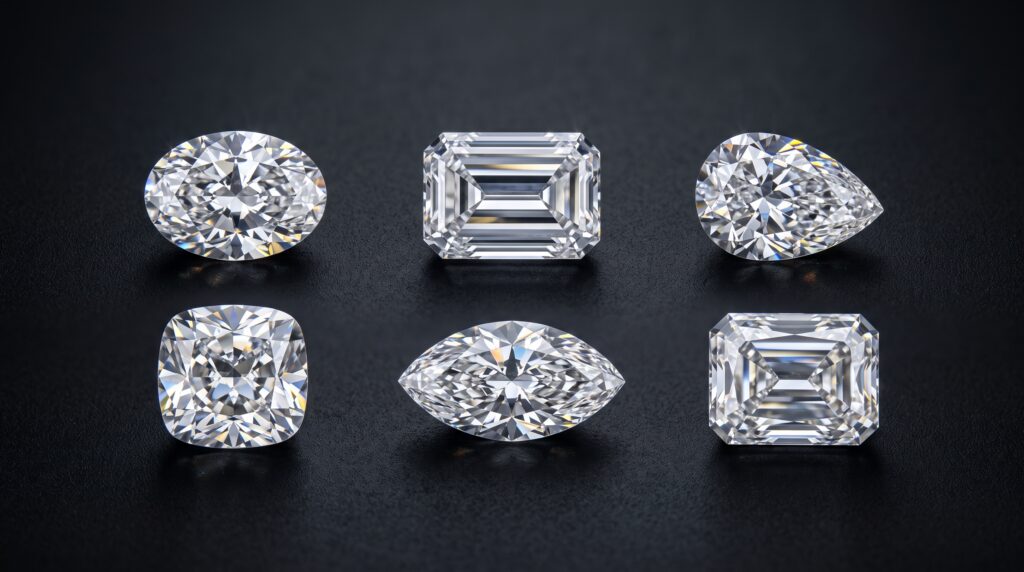
Understanding the diamond sourcing india b2b landscape means knowing which channel matches your volume, timeline, and budget. Here are the six primary ways international buyers source diamonds from India.
1. Direct from a Diamond Manufacturer in Surat
This is the most cost-efficient route. Surat-based manufacturers produce finished polished diamonds in-house, from rough to certified stone. They deal in volume, so this channel suits buyers placing orders of 10 carats or more per shipment. You get factory-direct pricing, consistent quality control, and the ability to request specific 4Cs combinations.
2. Through a Vetted Diamond Exporter
Exporters act as aggregators. They source from multiple Surat factories and maintain ready inventory across shapes and grades. This channel works well for retailers who need variety without committing to one manufacturer’s production range. Expect a small premium over factory pricing, but with greater flexibility.
3. Via the Surat Diamond Bourse
The Surat Diamond Bourse opened in 2023 and is now the world’s largest diamond trading center by floor space. It consolidates hundreds of manufacturers, traders, and polishers under one roof, giving international buyers a centralized point of access. Visiting in person or engaging a licensed member-agent is how many serious buyers enter the India market.
4. Through an India-Based B2B Diamond Supplier
A B2B supplier manages the relationship between manufacturers and international buyers. They handle communication, quality checks, documentation, and export logistics. For a U.S. retailer without India contacts, this is often the most practical entry point. Look for suppliers who offer IGI or GIA certified stock as a standard practice, not an optional add-on.
5. Lab-Grown Diamond Manufacturers
Lab-grown diamonds now represent a significant and growing share of India’s diamond export volume. CVD and HPHT production is concentrated in Surat, and manufacturers here produce stones in the D-to-G color range with VVS to VS clarity grades. Buyers sourcing lab-grown diamonds from India gain access to supply that still outpaces domestic production in the U.S. by a wide margin.
6. Diamond Wholesalers and Traders
Some buyers prefer working with a Diamond Wholesaler who already has established factory relationships in Surat. These intermediaries maintain ready stock in India and sometimes in U.S.-based inventory, which shortens lead times. The tradeoff is a slightly higher per-carat cost versus going direct.
Sourcing from India vs. Sourcing from Belgium or the USA: The Real Difference
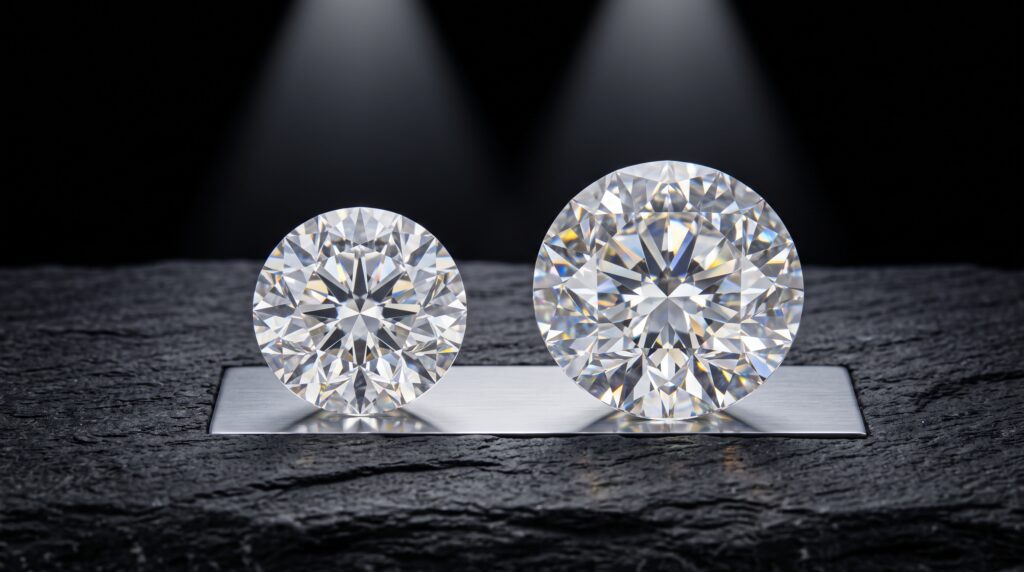
Most buyers considering their diamond sourcing strategy india options eventually ask the same question: why India over Antwerp or domestic suppliers? Here is a direct comparison across five key factors.
| Factor | Sourcing from India | Sourcing from Belgium or USA |
|---|---|---|
| Price per carat | Factory-direct, lowest landed cost | Includes at least one additional margin layer |
| Selection range | Extremely wide, all shapes and grades | Strong but limited by importer stock |
| Lead time | 5 to 14 days for stock items, longer for custom | Often faster if domestically stocked |
| Certification | IGI and GIA standard from major manufacturers | GIA dominant, IGI less common |
| Minimum order | Low from exporters, higher from factories | Often lower minimums but higher unit cost |
The sourcing diamonds india b2b advantage is primarily economic, but it goes beyond just price. When you source directly from India, you also gain visibility into grading consistency, production timelines, and the ability to specify exact parameters for your orders. Antwerp remains the benchmark for rough diamond trading, and U.S. suppliers offer speed and familiarity. To be fair, domestic suppliers still serve an important role for urgent small orders or buyers who lack the bandwidth to manage international logistics. But for any retailer or wholesaler placing regular volume, India represents the stronger long-term position.
How to Choose the Right Sourcing Approach for Your Business
Your ideal india diamond sourcing process depends on several factors that are specific to your operation. Work through these six before committing to a channel.
- Your order volume and frequency. Buyers placing monthly orders of 20 carats or more should build a direct manufacturer relationship. Smaller or irregular buyers are better served by an exporter or B2B supplier who maintains mixed inventory.
- Your product range requirements. If you carry a wide assortment of fancy shapes, including ovals, pears, cushions, and emeralds, look for suppliers who hold diverse stock rather than a manufacturer who specializes in one shape category.
- Your setting and jewelry use case. Loose diamonds for custom jewelry studios have different grading priorities than melee diamonds used in pavé settings. Clarify this with your supplier before ordering. Mismatched cut quality or depth percentages create real problems downstream.
- Your budget and margin targets. Calculate your target landed cost before outreach. Factor in the diamond price, IGI or GIA diamond certification fees, shipping, import duty (currently 7.5 percent for polished diamonds into the U.S.), and payment processing. The price on a supplier’s list sheet is never your full cost.
- Your end customer profile. Engagement ring buyers expect GIA certification and precise 4Cs documentation. Fashion jewelry buyers are more flexible. Investment buyers will scrutinize Rapaport discounts closely. Know who you are buying for before you negotiate.
- Natural vs. lab-grown diamonds. Lab-grown diamond sourcing from India has expanded sharply over the past three years. If your customer base is shifting toward lab-grown, the best way to source diamonds india includes building a relationship with a CVD or HPHT manufacturer rather than a natural diamond trader. The pricing dynamics, certification norms, and margin structures differ meaningfully between the two categories. You can review the current Export landscape to understand how lab-grown volumes are flowing into international markets.
Before you finalize your sourcing channel, request a sample parcel from at least two suppliers and compare the stones side by side under consistent lighting conditions. Price lists tell you one thing. The actual diamonds tell you something else entirely.
What B2B Buyers and Diamond Manufacturers Should Know Before They Start
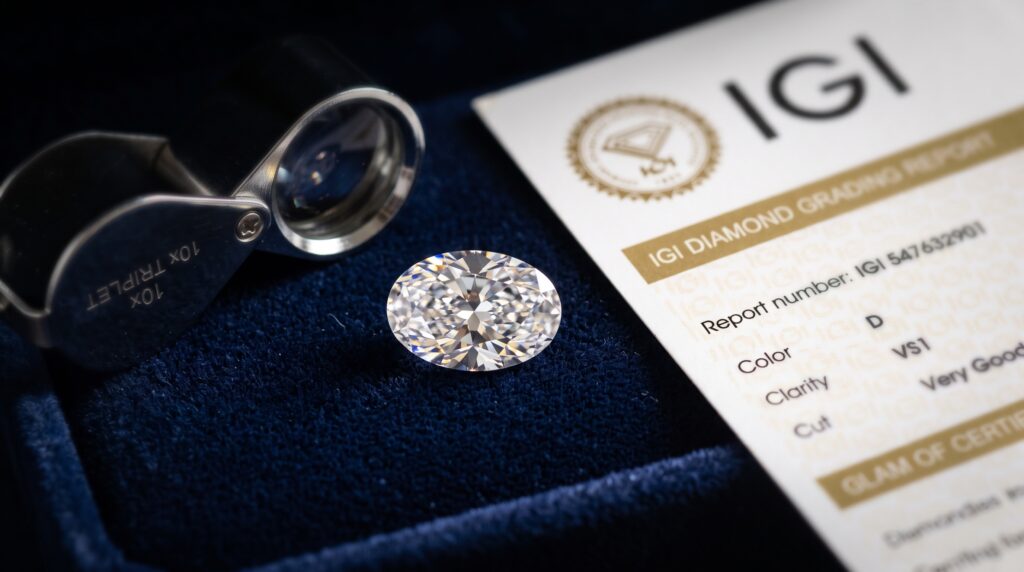
If you are a jewelry retailer, independent brand, or Diamond Wholesaler evaluating Indian supply for the first time, there are specific operational realities you need to understand before placing your first order.
Bulk sourcing from India works best when you are specific. Vague requests produce inconsistent results. Provide your supplier with a detailed brief: shape, carat weight range, color grade, clarity grade, cut grade, and any table percentage or depth percentage requirements. If you have a preferred length-to-width ratio for fancy shapes, state it. Manufacturers who receive detailed briefs consistently deliver better matched parcels.
IGI and GIA certification standards matter here. IGI is the dominant lab for lab-grown diamonds sourced from Surat, and their grading for CVD and HPHT stones has become the U.S. retail standard. GIA has also expanded its lab-grown grading program, and many U.S. retailers now specify GIA for higher-value natural stones. You will want to pay attention to which lab your supplier defaults to, because mixing certification labs within a single parcel can create complications at point of sale.
Rapaport price lists are the standard pricing benchmark for natural diamonds. Most India-based suppliers quote at a Rapaport discount, expressed as a percentage below the list price. For lab-grown diamonds, pricing has evolved toward independent market pricing that no longer tracks Rapaport directly. Ask your supplier how they price their lab-grown inventory and what that pricing is based on.
In my experience, the suppliers who operate with the most transparency are those who provide a breakout of their pricing structure without being asked. That is a signal of how the whole relationship will go. Manufacturers like those operating through the Diamond Manufacturers network in Surat typically maintain batch-level grading records, which lets buyers audit quality consistency across shipments.
For wholesale inquiries on IGI-certified lab-grown diamonds sourced directly from Surat, Lepdo Diamonds offers direct manufacturer pricing to verified B2B accounts across the United States and other international markets.
Diamond Sourcing from India: Trends Shaping 2026 and 2027
The India diamond sourcing for retailers landscape is shifting in ways that create both opportunity and some complexity for American buyers. Here is what is driving that shift right now.
Lab-grown diamond exports from India reached record levels in 2024, and that trajectory has continued into 2025 and 2026. According to data tracked by the Gem and Jewellery Export Promotion Council (GJEPC), lab-grown diamonds now account for a substantial and rising percentage of India’s total polished diamond export value. American retailers and jewelry brands are the primary destination for this volume.
Design trends are also influencing what buyers source. Fancy shape demand continues to outpace round brilliant in new engagement ring styles across the U.S. market. Elongated shapes, including oval, pear, and marquise, remain strong sellers, while cushion and radiant cuts are seeing increased interest in three-stone settings. Retailers sourcing from India should build their inventory around these shapes rather than defaulting to rounds alone.
Cultural influence from celebrities and public figures has reinforced the appeal of non-traditional cuts, and social media has accelerated how quickly specific shapes go from niche to mainstream. The diamond industry in India has responded by expanding production capacity for fancy shapes specifically. Buyers who understand how to source loose diamonds india can now access fancy shape parcels with the same speed and consistency that round diamonds offered a decade ago. Reviewing current trends in the Diamond Industry helps buyers stay ahead of these shifts before they affect retail demand.
How to Evaluate Diamond Quality When Sourcing from India
When I assess a parcel of diamonds from an Indian supplier, the first thing I check is not the price. It is cut consistency across the batch. A single stone can be graded Excellent and still belong to a parcel where half the stones are cut to Very Good standards. That inconsistency shows up in your display case and your customer returns.
Here are five quality checkpoints every serious buyer should apply when evaluating sourced diamonds:
- Light performance under standardized conditions. Brilliance, fire, and scintillation should be assessed under the same lighting across all comparison stones. Avoid evaluating diamonds under mixed light sources, because inconsistent lighting creates misleading impressions of a stone’s actual light return.
- Table percentage and depth percentage. For round brilliants, table percentages between 54 and 60 percent and total depth between 59 and 62.5 percent produce the strongest light performance. For fancy shapes, acceptable ranges vary by shape. Suppliers should provide these figures on every certificate.
- Pavilion angle and crown angle. These two measurements determine how light enters and exits a polished diamond. Even a stone with a strong GIA or IGI clarity grade can underperform if pavilion and crown angles fall outside optimal ranges.
- Color grading consistency within a parcel. When sourcing a parcel of matched stones, request all diamonds from the same color and clarity batch. Color variation within a near-colorless range, say between F and H, is visible to trained eyes and sometimes to customers.
- Certification authenticity. Always verify IGI and GIA certificates through the issuing lab’s online verification portal before accepting a shipment. Working with a Trusted Diamond Supplier who provides original lab reports with every stone removes this risk almost entirely.
Conclusion
The core takeaway from this guide is straightforward: India is where the world’s diamonds are made, and knowing how to source diamonds from India gives your business a structural cost advantage that domestic buyers simply do not have. Understanding which sourcing channel fits your volume and product mix, requiring IGI or GIA certification as a non-negotiable standard, and verifying quality through sample parcels before committing to volume orders, these three practices account for the difference between buyers who build profitable India sourcing relationships and those who get burned by inconsistent suppliers.
The second takeaway is equally practical. The india diamond sourcing process has become far more accessible for international retailers in the past three to four years, partly because of the Surat Diamond Bourse, partly because of the rise of reliable B2B exporters, and partly because lab-grown diamond production has expanded the available supply at every price point. You do not need industry connections built over decades to get started.
Retailers evaluating India sourcing for the first time can explore Lepdo Diamonds as one starting point for IGI and GIA certified lab-grown diamonds sourced directly from Surat’s manufacturing hub. The inquiry process is straightforward, and the team works directly with international retailers on parcel specifications.
When you know where to look and what to ask, how to source diamonds from India stops being complicated. It becomes one of the smartest supply decisions your business can make.
Frequently Asked Questions About How to Source Diamonds from India
1. What does it mean to source diamonds from India?
Sourcing diamonds from India means purchasing polished, certified diamonds directly from Indian manufacturers, exporters, or B2B suppliers rather than through domestic distributors. India, led by Surat, processes over 90 percent of the world’s polished diamonds. Buyers gain access to factory-direct pricing, wide selection across all shapes and carat weights, and IGI or GIA certified stones at significantly lower landed costs than domestic sourcing.
2. Is sourcing diamonds from India cheaper than buying domestically in the USA?
Yes, in most cases. Buying directly from Indian manufacturers or exporters removes at least one to two margin layers that are built into domestic wholesale pricing. After accounting for shipping, import duty, and certification costs, most B2B buyers save between 20 and 40 percent per carat compared to buying from U.S.-based diamond wholesalers. Lab-grown diamonds sourced from Surat manufacturers show the most dramatic cost difference.
3. Which diamond types from India are in highest demand for U.S. buyers?
Oval, pear, cushion, and emerald cut diamonds are currently among the highest-demand fancy shapes from U.S. buyers sourcing from India. Round brilliant diamonds remain the most sourced shape by total volume. For lab-grown diamonds, DEFG color range stones in VVS and VS clarity grades represent the strongest seller across American jewelry retail. Elongated fancy shapes continue to grow in demand for engagement ring applications.
4. Do Indian diamond suppliers provide GIA certification?
Yes, many manufacturers and exporters in Surat provide GIA-certified diamonds, though IGI certification is more commonly issued for lab-grown stones from India. GIA has a long-established relationship with the Indian diamond trade and maintains a strong presence in Mumbai. For natural diamonds, many U.S. retailers specifically request GIA grading. For lab-grown, IGI is now widely accepted as the standard certification at U.S. retail.
5. What is the biggest quality risk when sourcing diamonds from India?
The most common quality risk is inconsistency across a parcel. Even when each stone carries a valid certificate, batches can vary in cut quality, color consistency, and light performance if the supplier is aggregating stones from multiple factories without strict parcel-level matching. Mitigating this risk requires reviewing samples before full orders, specifying cut parameters in writing, and working with suppliers who maintain transparent batch records.
6. Are lab-grown diamonds from India as good as natural diamonds?
Lab-grown diamonds from India are chemically, physically, and optically identical to natural diamonds. They carry the same 4Cs grades, the same GIA or IGI certification, and perform identically in terms of brilliance and durability. The difference is origin and price. Lab-grown diamonds sourced from Indian CVD and HPHT manufacturers currently sell at a significant discount to natural diamonds of equivalent grade, making them attractive for budget-conscious retail customers.
7. Which sourcing channel is best for a small jewelry retailer?
For smaller retailers, working through a vetted B2B exporter or a direct supplier with mixed inventory is typically the best entry point into Indian diamond sourcing. Direct manufacturer relationships require higher minimum orders and more detailed briefing. An established exporter or B2B supplier offers more flexible order sizes, pre-certified stock, and streamlined export documentation, which reduces the learning curve for first-time international buyers.
8. How do I find a reliable diamond supplier in India?
Start by verifying membership in recognized trade bodies such as the Gem and Jewellery Export Promotion Council (GJEPC) or the Bharat Diamond Bourse. Request references from current international clients. Ask for sample parcels before placing volume orders. Confirm that the supplier issues IGI or GIA certified stock as standard, not as a premium option. Reviewing a supplier’s export history, customer communication standards, and dispute resolution approach tells you more than any website or catalog.