Lab Grown Diamond vs Natural Diamond Wholesale : A Cost and Margin Comparison for Retailers
 by lepdogroup@gmail.com
0 comments
by lepdogroup@gmail.com
0 comments
Lab grown vs natural diamond wholesale Costs pricing refers to the cost gap between diamonds created in a lab and those mined from the earth, sold to retailers before markup. This matters because it directly shapes profit margins, inventory risk, and pricing strategy. Lepdo Diamonds helps buyers compare both categories with certified, transparent sourcing data.
A retailer in Dallas recently told me she was carrying two nearly identical looking 1.5 carat oval diamonds side by side in her case. One cost her $2,800 wholesale. The other cost her $9,600. Same shape, same clarity grade, same GIA color range, wildly different price tags.
That gap is the entire story behind lab grown diamond vs natural diamond wholesale pricing today, and it is reshaping how American jewelers buy, price, and profit.
Most buyers assume the cheaper stone automatically means a smaller margin opportunity. The truth is, it often means the opposite. Carat weight, cut precision, and the 4Cs still drive perceived value, but the wholesale math behind lab grown and natural diamonds now works on two very different curves.
By the end of this piece, you will understand exactly where the cost differences come from, how margins compare in real dollar terms, and how to build a buying strategy that protects your profit whether you stock lab-grown, natural, or both. This is not theory. It is the pricing reality wholesalers are working with in 2026, and it affects everything from case layout to how you train sales staff to talk about value.
What Lab Grown and Natural Diamond Wholesale Really Means
Wholesale pricing is the cost a retailer, manufacturer, or bulk buyer pays before any retail markup is applied. It reflects raw supply economics, not showroom price tags, and it changes constantly based on production volume, mining output, and currency shifts.
Quick Info Box
- Definition: The base cost of loose diamonds sold in bulk to jewelers, manufacturers, and B2B buyers before retail pricing is applied.
- Key Types or Varieties: CVD lab-grown, HPHT lab-grown, mined natural diamonds, certified and non-certified stock.
- Best For: Retailers, jewelry brands, manufacturers, and private buyers negotiating bulk or repeat orders.
- Key Difference or Advantage: Lab-grown wholesale pricing has dropped steadily for years, while Natural Diamonds wholesale pricing has stayed comparatively stable or risen.
Understanding this distinction matters because retail markup strategy depends entirely on what the wholesale floor actually looks like. A retailer pricing lab-grown stones the same way they price natural stock is almost always leaving margin on the table, or worse, pricing themselves out of the market entirely. The two categories are not interchangeable in a spreadsheet sense, even when the finished ring looks identical under store lighting.
Most Popular Types and Variations, and Who They Are For
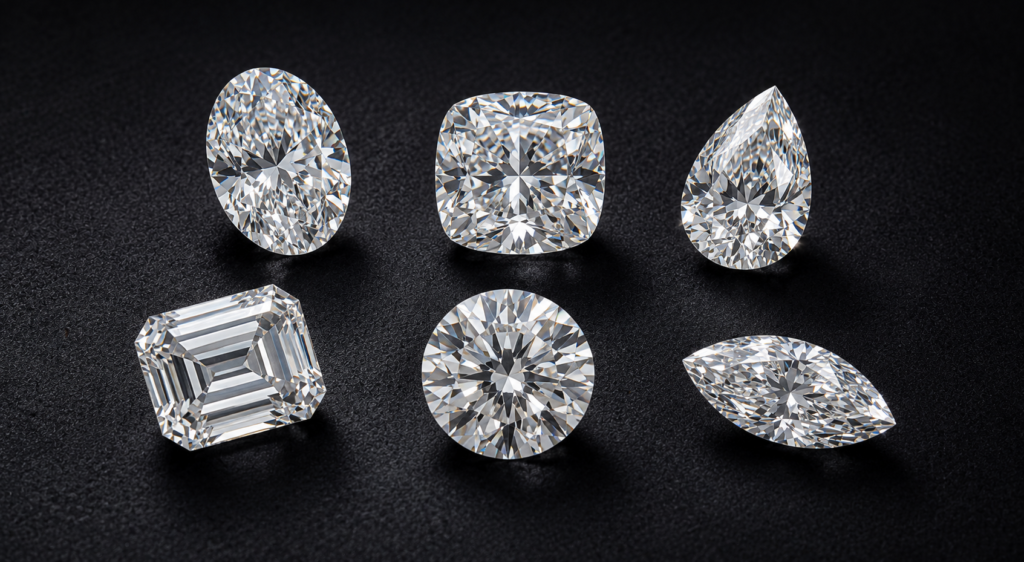
Wholesale buyers are not just choosing between “lab” and “natural.” They are choosing among several distinct production and grading categories, each with a different buyer profile and a different price ceiling. Getting this categorization wrong at the sourcing stage is usually where margin problems start. A parcel that looks like a bargain on paper can quietly erode profit if it does not match what your actual customers are asking for. Knowing these categories in advance also makes negotiating with suppliers far easier, since you can ask for exactly what your case needs instead of accepting whatever is offered.
CVD Lab-Grown Diamonds
Grown using chemical vapor deposition, these dominate the lab-grown wholesale supply chain because production is scalable and consistent. They suit retailers targeting price-conscious engagement ring shoppers who still want IGI or GIA certification. Most volume-focused jewelry brands in the US now build their entry-level bridal lines almost entirely around CVD stock. Repeat availability is one of the biggest advantages here, since manufacturers can replicate parcel specs far more reliably than with mined goods. That consistency makes CVD the easier category to plan inventory around for retailers running multiple store locations.
HPHT Lab-Grown Diamonds
High pressure, high temperature diamonds often show excellent color results, particularly in the D to F range. Manufacturers favor HPHT stock for fancy colored diamond programs and premium lab-grown lines where color saturation matters more than raw carat count. Retailers positioning these as a premium tier often see stronger margins than with standard CVD goods. Supply remains tighter than CVD, though, so buyers sourcing HPHT parcels should expect longer lead times on repeat orders.
Mined Natural Diamonds
Sourced from traditional diamond regions and distributed through established supply chains, these remain the default for buyers targeting heritage, investment, or resale-value focused customers. Natural stones also carry stronger emotional weight with older, more traditional buyers.
Beyond these three, buyers also work with recycled natural diamonds pulled from estate inventory, melee-sized natural goods used for pave settings, larger carat natural solitaires built for bridal collections, and certified fancy shape lab-grown parcels assembled specifically for volume retail programs. Each category carries its own wholesale price band, and each appeals to a different type of buyer. A commercial jewelry brand chasing volume will lean lab-grown almost every time, since margin protection matters more than resale narrative. A heritage bridal house selling investment-grade stones will stay natural, often exclusively, because their entire brand story depends on scarcity and provenance.
Lab Grown vs Natural Diamond Wholesale Costs: The Real Difference
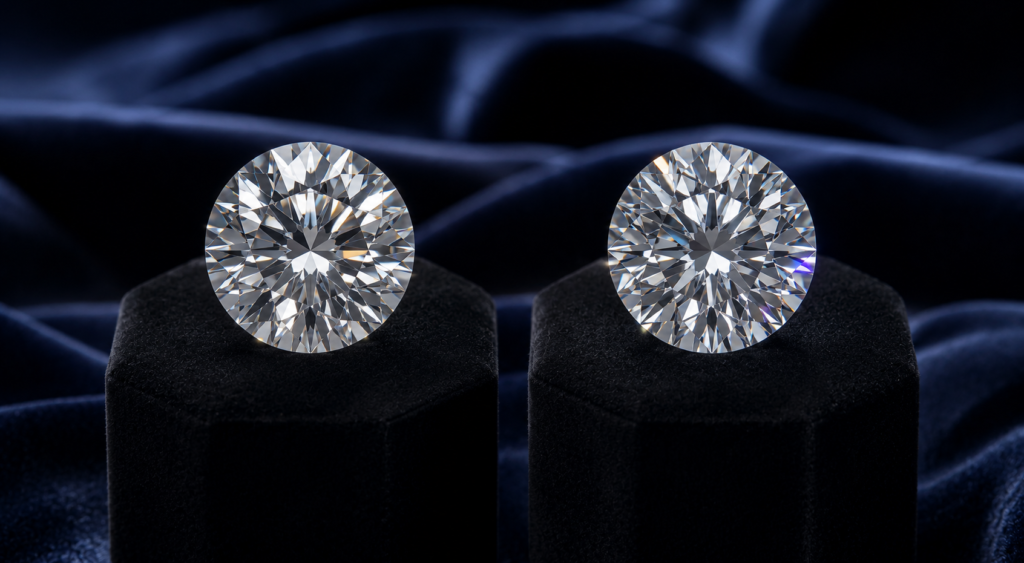
The wholesale price difference lab natural diamond buyers see today is not marginal. It is structural, and it comes down to supply economics rather than visual quality.
| Factor | Lab Grown Diamond Wholesale | Natural Diamond Wholesale |
|---|---|---|
| Average cost (1ct, GH, VS) | $600 to $1,200 | $3,500 to $5,500 |
| Price trend (2020 to 2026) | Declining 8 to 15% annually | Relatively stable, slight increases |
| Supply predictability | High, manufacturer controlled | Variable, mining dependent |
| Resale value retention | Low to moderate | Moderate to high |
| Typical retail markup applied | 2.5x to 4x | 1.8x to 2.5x |
Here is what that table actually means for a working retailer. Lab-grown stones cost far less to acquire, which allows a much higher markup multiple while still landing at a consumer price that feels reasonable. Natural diamonds carry a smaller markup ceiling because the wholesale base cost is already high enough that consumers expect the final price to reflect it. For a deeper breakdown of how these two categories differ beyond pricing, our Lab-Grown vs Natural Diamond glossary page covers the grading and origin distinctions in detail, including how each stone forms and why that affects long term value.
How to Choose the Right Diamond Category for Your Business
Choosing between lab-grown and natural inventory is not a one-time decision. It should be revisited every buying cycle based on these six factors.
- Customer profile fit. Younger, budget-conscious shoppers gravitate toward lab-grown. Investment-focused or heritage buyers still lean natural.
- Showroom mix compatibility. Your case needs enough of both categories to avoid steering every customer toward a single price point, which can hurt average ticket size over time.
- Setting and design compatibility. Fancy shapes, halo settings, and pave work often perform better with lab-grown due to lower per-carat cost across a full design.
- Budget advantage versus alternatives. Lab-grown allows larger visual carat weight at a lower entry price, which matters for engagement ring shoppers working within a fixed budget.
- Occasion type. Engagement and bridal skew natural for resale-conscious buyers, while fashion and statement jewelry skew lab-grown.
- Lab-grown vs natural sourcing strategy. Retailers building a lab grown diamond margin vs natural strategy need a supplier who can explain grading consistency across both categories. Our Lab Grown Diamonds glossary page breaks down how CVD and HPHT grading standards actually work in practice.
Before you finalize your buying strategy, run the numbers on both categories against your actual customer base rather than industry averages. Your zip code, your average ticket size, and your existing clientele matter more than any national trend report, and what works for a mall kiosk rarely works for a bridal-focused boutique.
What B2B Buyers and Diamond Manufacturers Should Know
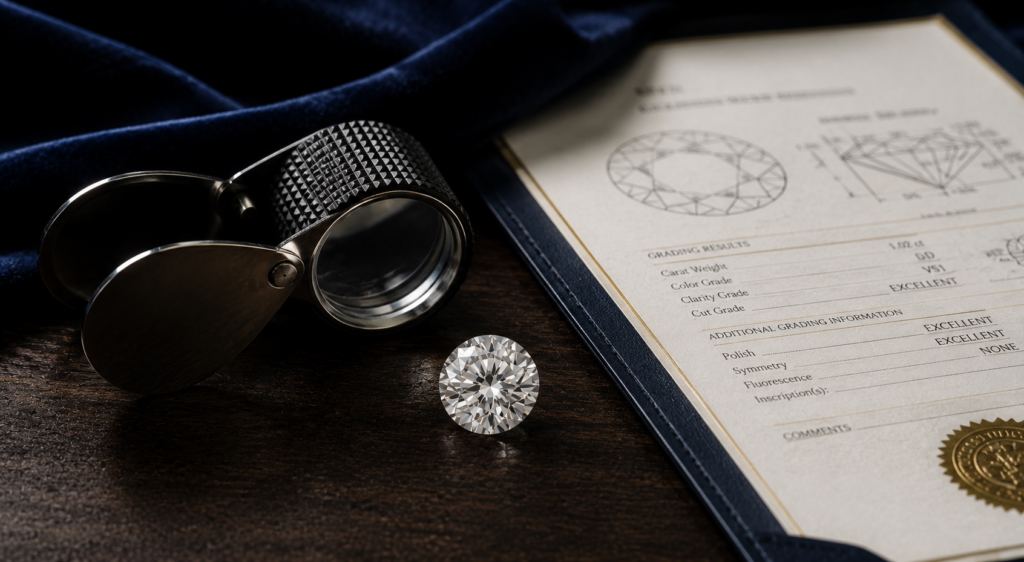
Bulk sourcing decisions live or die on consistency, not just price. Cut grading consistency matters enormously here, because a parcel of ten stones with uneven proportions will cost you more in customer returns than it saves you in unit price.
IGI has become the dominant certification body for lab-grown diamonds, while GIA remains the benchmark most American consumers still recognize and trust for natural stones. Reputable suppliers issue certified stock as standard practice rather than an upsell, and buyers should treat non-certified parcels as a red flag regardless of how attractive the per-carat price looks. Manufacturers like Lepdo Diamonds, based in Surat’s diamond manufacturing hub, typically grade CVD stones using IGI standards before export, which gives American retailers a documentation trail that matches what their own customers expect to see at the counter.
Rapaport pricing still influences natural diamond wholesale negotiations heavily, even though lab-grown pricing has largely decoupled from the Rapaport list over the past several years. If you are sourcing natural goods, understanding where a parcel sits relative to Rapaport gives you real negotiating leverage instead of accepting a quoted price at face value. Buyers working specifically with a Natural Diamond Supplier in india should ask for Rapaport percentage discounts upfront rather than negotiating off a flat price, since that single request often reveals how transparent a supplier actually is.
In my experience, the wholesalers who ask pointed questions about grading methodology upfront are the ones who avoid margin-killing returns six months later. Retailers sourcing certified lab-grown diamonds can explore Lepdo Diamonds’ current stock to compare grading documentation side by side with natural parcels before committing to a larger order.
Diamond Jewelry Trends in the USA (2026 to 2027)
Fancy shapes are pulling significant share away from round brilliants right now, particularly oval, cushion, and elongated cuts that maximize visual size per carat. To be fair, round diamonds still dominate overall engagement ring sales, but the growth curve clearly belongs to fancy shapes.
Cultural visibility around large, colorful, statement-style engagement rings has pushed more consumers toward bold fancy cut diamond jewellery choices rather than traditional solitaires. Toi et moi settings, hidden halo designs, and East-West set stones have all seen meaningful growth in retail search interest over the past two years, and jewelry brands are responding by expanding their fancy shape inventory rather than defaulting to round stock.
Industry data shows lab-grown diamonds now account for a majority share of engagement ring center stone sales in the US market, a shift that would have seemed unlikely just five years ago. That growth has fueled renewed retailer interest in tracking Natural Diamond Demand trends closely, since natural stone positioning is shifting toward scarcity and investment messaging rather than pure size-for-price competition. Expect this dual-track marketing approach, value for lab-grown and rarity for natural, to define most bridal advertising through 2027.
How to Evaluate Quality in Lab Grown and Natural Diamonds
When I assess a parcel, the first thing I check is light performance, not carat weight. Brilliance, fire, and scintillation tell you more about how a stone will actually look on a finger than any spec sheet ever will.
- Check pavilion depth and table percentage together. A shallow pavilion often causes light leakage regardless of origin.
- Look for a bowtie effect in oval, marquise, and pear shapes. A pronounced bowtie reduces perceived brilliance significantly, even on an otherwise well-graded stone.
- Verify length-to-width ratio against buyer expectations. American consumers generally prefer specific ratios for oval and cushion cuts, and a mismatch here leads to returns.
- Confirm clarity grade under 10x magnification rather than relying solely on the certificate summary, since inclusions can sit closer to the table than a report suggests.
- Cross-check the diamond certification against Certified Diamonds documentation standards before finalizing any bulk order.
You will want to pay attention to how consistently a supplier grades across an entire parcel rather than judging quality off a single hero stone. That inconsistency is where most retailer complaints originate, and it rarely shows up until the parcel is already sitting in your case.
Conclusion
The lab grown diamond vs natural diamond wholesale comparison ultimately comes down to three things: acquisition cost, markup flexibility, and customer expectation. Lab-grown stock gives retailers room to build larger margins while keeping consumer prices approachable, particularly for fancy shapes and statement jewelry. Natural diamonds still command higher wholesale prices, but they retain resale value and heritage appeal that certain customer segments will always pay for, and that segment is not shrinking as fast as some headlines suggest.
Think of it this way: the smartest wholesale strategy rarely picks one category exclusively. It builds a mix that matches the actual customers walking through the door, backed by certified, verifiable sourcing on both sides of the case. Getting that mix right is less about following trends and more about knowing your own case, your own clientele, and your own margin targets. For wholesale inquiries on fancy shapes or certified lab-grown parcels, Lepdo Diamonds works directly with retailers across the US on transparent, manufacturer-direct pricing.
Whichever direction your inventory strategy leans, the retailers who win are the ones who understand both sides of this pricing equation, not just the one that seems cheaper on paper.
Frequently Asked Questions About Lab Grown Diamond vs Natural Diamond Wholesale
1. What is lab grown diamond vs natural diamond wholesale pricing?
It refers to the bulk cost difference between lab-created and mined diamonds before retail markup is applied. Lab-grown wholesale pricing typically runs 60 to 80% lower than natural diamonds at comparable carat weight and clarity grade, which directly shapes retailer margin strategy.
2. Is lab grown diamond cheaper than natural diamond wholesale?
Yes, consistently. Lab diamond vs natural diamond cost wholesale comparisons show lab-grown stones priced 4 to 6 times lower per carat on average, largely because production is scalable and not dependent on mining output or geographic scarcity.
3. Which diamond type looks biggest or most impressive per dollar?
Lab-grown diamonds generally offer more visual size per dollar spent, since lower wholesale cost allows buyers to select larger carat weights within the same budget. Natural diamonds require a bigger spend to reach comparable visual size.
4. Does a lab grown diamond have a GIA cut grade?
Yes, GIA does grade cut quality for lab-grown diamonds using the same standards applied to natural stones. However, IGI has become the more common certification choice specifically for lab-grown parcels sold through wholesale channels.
5. What is the biggest quality risk with lab grown diamond wholesale sourcing?
Inconsistent cut grading across a bulk parcel is the biggest risk retailers face. A supplier offering low prices without transparent certification documentation is a stronger warning sign than price alone.
6. Are lab-grown diamonds as good as natural diamonds?
Chemically, physically, and optically, lab-grown diamonds are real diamonds with identical brilliance and fire potential. The primary difference lies in origin, wholesale cost structure, and long-term resale value expectations rather than visible quality.
7. Which diamond type is best for an engagement ring?
Both work well, and the right choice depends on the buyer’s priorities. Budget-focused customers wanting larger visible size tend toward lab-grown, while buyers prioritizing resale value and heritage typically choose natural.
8. How do I choose a reliable lab grown diamond wholesale manufacturer?
Which is more profitable lab or natural diamond sourcing depends heavily on finding a manufacturer offering transparent certification, consistent cut grading, and documented sourcing practices. Ask for sample parcels and verify IGI or GIA paperwork before committing to bulk orders.