How to Start a Diamond Import Business in the USA: Complete Step-by-Step Guide
 by lepdogroup@gmail.com
0 comments
by lepdogroup@gmail.com
0 comments
Starting a diamond import business in the USA means legally sourcing certified diamonds from international markets, clearing U.S. Customs, and reselling to retailers or consumers. It requires proper business registration, knowledge of the Kimberley Process, and reliable overseas suppliers. Lepdo Diamonds offers direct access to GIA and IGI-certified stones from Surat, making them a trusted starting point for new importers.
The U.S. diamond jewelry market was valued at over $37 billion in 2023, and it is still growing. Most of that product moves through a surprisingly short chain: a cutter in Surat, an importer in New York or Los Angeles, and a retailer or jewelry brand selling to the end consumer. If you have ever looked at that chain and thought, “I could be the importer,” you are not wrong. Knowing how to start a diamond import business in the USA is more achievable than most people assume.
That said, getting it right from day one matters. The margins are real, but so are the compliance requirements, the supplier vetting challenges, and the capital demands. This guide walks you through every step: licensing, sourcing, customs, pricing, and how to build supplier relationships that actually hold up.
You will also learn what separates hobbyist resellers from serious diamond wholesale business operators in the USA, and why sourcing from a certified supplier like Lepdo Diamonds changes the quality equation entirely.
What Is Diamond Importing and Why It Matters for U.S. Businesses
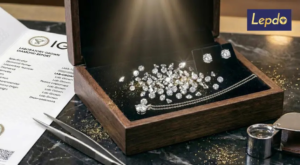
Diamond importing is the process of purchasing rough or polished diamonds from an international source, clearing them through U.S. Customs and Border Protection, and introducing them into domestic trade. The diamonds may go to jewelry retailers, manufacturers, online resellers, or directly to consumers depending on your business model.
Quick Info Box:
- Definition: The legal purchase and importation of diamonds from overseas markets into the United States for commercial resale.
- Key Types: Polished natural diamonds, lab-grown diamonds, rough diamonds, fancy color diamonds, melee diamonds.
- Best For: Jewelry retailers, wholesalers, online diamond dealers, jewelry brands, private label manufacturers.
- Key Advantage: Direct importing cuts out one or two middlemen, improving your margin by 15 to 40 percent depending on the category.
The U.S. is the world’s largest consumer market for polished diamonds, absorbing roughly 40 percent of global diamond jewelry sales. Understanding the Diamond Import process is not just a legal formality. It is the foundation your entire pricing model sits on.
Business Structure, Licensing, and Legal Requirements
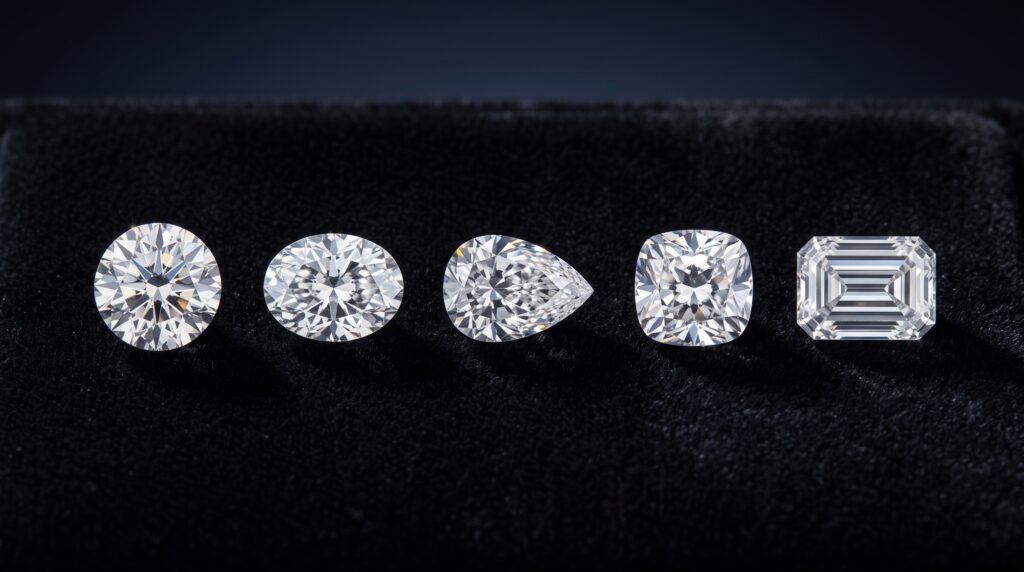
Here is what stops most people before they even get started: the assumption that diamond importing requires some exotic federal license. It does not. But it does require a clean, properly structured business setup.
Step 1: Register Your Business Entity
Choose an LLC or C-Corp structure. Most diamond importers use an LLC for the liability protection and tax flexibility. Register in your home state, get an EIN from the IRS, and open a dedicated business bank account. Do not commingle personal and business funds; U.S. Customs will flag inconsistencies when large transactions cross their desk.
Step 2: Get a CBP Importer of Record Number
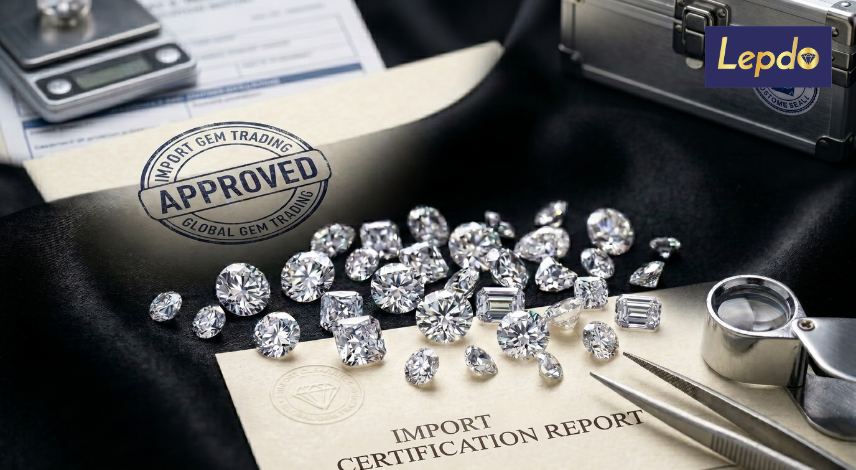
Every company importing goods into the U.S. commercially needs to register with U.S. Customs and Border Protection as an Importer of Record. You file a CBP Form 5106. This is free and straightforward, but it is mandatory. Without it, your shipment sits in a warehouse.
Step 3: Understand the Kimberley Process Certification Scheme
The Kimberley Process (KP) is the international certification system that controls the trade in conflict diamonds. Every shipment of rough diamonds entering the U.S. must come with a KP certificate issued by the exporting country’s government. This applies to rough stones only. Polished diamonds require a slightly different but equally important paper trail. You will want to pay attention to this because U.S. Customs actively reviews it on every shipment.
Step 4: Assign or Hire a Licensed Customs Broker
Unless you already know CBP regulations inside out, hire a licensed customs broker for your first several shipments. They handle the HTS code classification (diamonds fall under Chapter 71), calculate applicable duties, and ensure your documentation is complete. For diamonds specifically, the duty rate is generally zero percent under most trade agreements, but the paperwork still has to be perfect.
Step 5: Understand State-Level Business Licenses
Some states require a jeweler’s or precious gemstone dealer license. New York, California, and Texas each have their own requirements. Check with your state’s Department of Consumer Affairs or Business Regulation before you start selling.
Types of Diamond Import Models and Who Each One Fits
Once your legal structure is in place, you need to decide what kind of diamond import business you are actually running. These are not the same, and the one you choose shapes everything from your cash flow to your supplier relationships.
Direct Wholesale Import
You buy in bulk directly from a manufacturer or cutting house overseas, import the lot, and sell to U.S. jewelry retailers, designers, or jewelry brands. This is the highest-margin model, but it also demands the most capital upfront. You are typically looking at minimum orders of $25,000 to $100,000 or more depending on the supplier. This model suits buyers who already have relationships with Diamond Retailers or small jewelry brands.
Memo and Consignment Model
Some importers work on a memo basis, where the overseas supplier ships stones to the U.S. importer without payment upfront. The importer has a set window (typically 30 to 60 days) to sell the stones and remit payment, returning unsold inventory. This model reduces capital risk but requires strong trust between importer and supplier.
Drop-Ship or Agent Model
Here, you act as a broker. You match U.S. buyers with overseas suppliers, handle the paperwork and relationship management, and earn a commission per transaction. Your capital exposure is low, but so are your margins. This works well early on while you build supplier trust and capital reserves.
Lab-Grown Diamond Import
Importing lab-grown diamonds from India is currently one of the fastest-growing segments of the Diamond Industry. Lab-grown stones have the same chemical and optical properties as natural diamonds, carry IGI and GIA certification, and are priced 60 to 80 percent lower. The customs process is identical to natural stones.
Fancy Color and Specialty Import
Some importers carve out a niche in fancy yellow, pink, or blue diamonds, or in unique fancy shapes. These stones serve a different buyer profile: collectors, luxury retailers, and bespoke jewelers. The margins are higher, but so is the expertise required.
Melee and Commercial Grade Import
Small diamonds (melee) under 0.18 carats are used in pavé settings, halos, and side stones. Importing melee in bulk is a volume game. The margins per stone are thin, but the demand is constant. Jewelry manufacturers are your primary customer here.
Diamond Import vs. Buying from a U.S. Distributor: The Real Difference
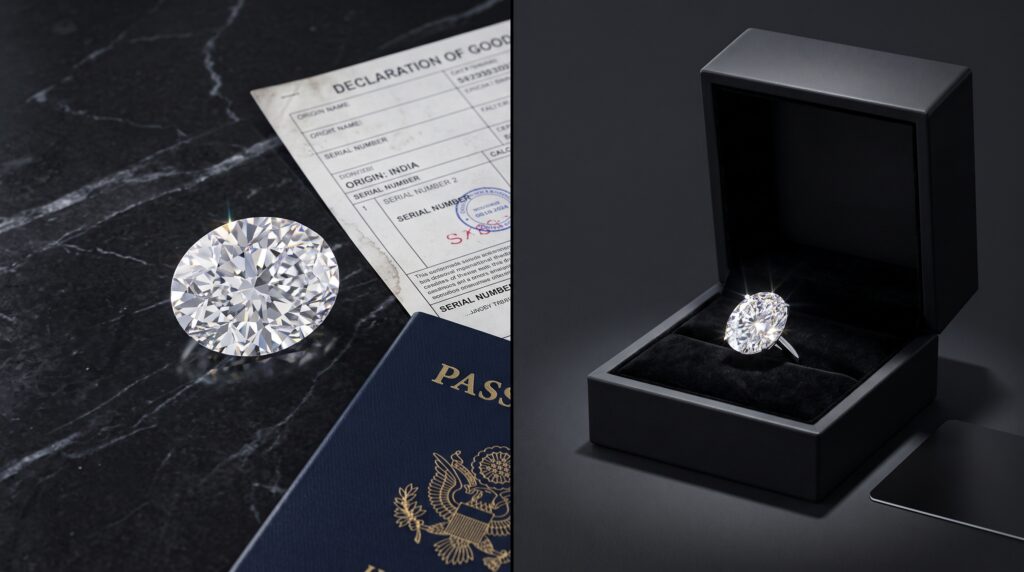
Most new jewelry retailers start by buying from a U.S.-based diamond distributor or wholesaler. That is the lower-effort path. But here is what that convenience costs you.
| Factor | Direct Diamond Import | U.S. Distributor Purchase |
|---|---|---|
| Price per carat | 15 to 40% lower | Market retail wholesale rate |
| Minimum order | Higher ($10K to $100K+) | Low to none |
| Certification control | You specify GIA/IGI standards | Depends on distributor stock |
| Customization | Full control over cut, shape, specs | Limited to available inventory |
| Lead time | 2 to 6 weeks (overseas) | Often immediate |
The truth is, both models have a role. If you are selling two or three stones per week, buying from a U.S. Diamond Wholesaler makes sense. But if you are moving volume, have predictable demand, or want to differentiate on price or specification, direct import is worth the added complexity.
Most buyers in the $200,000-plus annual purchasing range benefit from a hybrid: domestic stock for fast-turn orders, direct import for planned bulk or custom orders.
How to Choose the Right Sourcing Model for Your Diamond Business
Picking the wrong model early is the most common expensive mistake. Here are six factors that should drive your decision:
- Your existing relationships and market. If you already supply three jewelry stores with consistent orders, you have enough demand to justify direct import. If you are still building your customer base, start with memo or distributor sourcing.
- Capital available. Direct import requires meaningful working capital. A $50,000 stock order tied up for 60 days is normal in this business. If that would strain your cash flow, start smaller with a U.S. distributor and scale gradually.
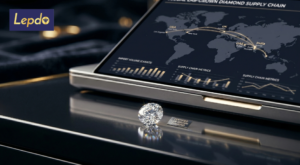
- Your target product category. Natural round brilliants are easy to source everywhere. Fancy shapes, fancy colors, or very specific cut specifications require direct relationships with overseas manufacturers who specialize in them. The Diamond Supply Chain for specialty stones is shorter and less accessible from the U.S. side.
- Price point and margin targets. If you are competing on price in a commoditized segment, direct import gives you the margin room to do that. If you compete on service and selection, a U.S. distributor relationship may be sufficient.
- Certification requirements. Know upfront whether your buyers require GIA, IGI, or both. Some U.S. retailers only accept GIA. Others have moved to IGI for lab-grown diamonds. Build this into your sourcing criteria from day one.
- Lab-grown vs. natural diamonds. This decision increasingly defines your market position. Lab-grown diamonds now represent a significant and growing share of U.S. engagement ring sales. Understanding current Lab Grown Diamond Price 2026 trends directly affects your import cost calculations and your retail pricing strategy.
Before you finalize your sourcing model, map out your first 12 months of projected orders. That exercise alone will tell you which model your business actually needs right now.
What Wholesalers, Retailers, and Manufacturers Need to Know Before Importing
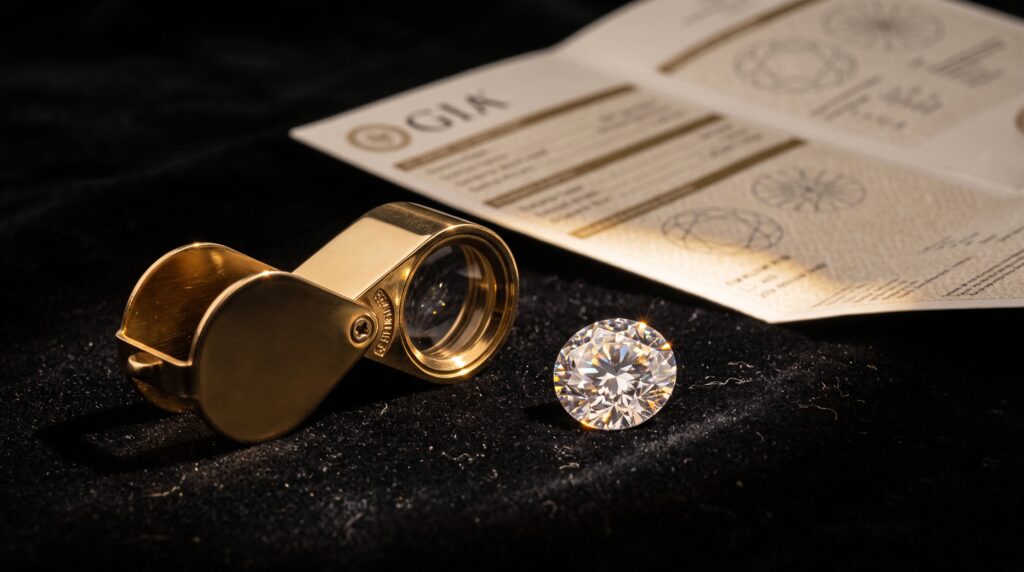
When I assess a new importer’s readiness, the first thing I check is their documentation workflow. Not their capital. Not their connections. Their paperwork habits. Because in diamond importing, the difference between a smooth transaction and a Customs hold is usually one missing line on a commercial invoice.
For B2B buyers, here are the operational realities:
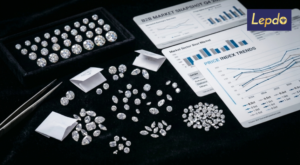
Certification standards matter enormously. GIA and IGI are the two certifications U.S. buyers recognize and trust. Rapaport pricing is built around GIA-graded natural diamonds for round brilliants. If you are importing stones without certification, your re-sale options are limited to buyers who are willing to take them for in-house grading, typically at a significant discount.
Rapaport pricing is your anchor. The Rapaport Diamond Report publishes weekly price lists that the entire trade uses as a benchmark. When you negotiate with an overseas supplier, you are negotiating “rap minus X percent.” Knowing current rap prices before every buying trip is non-negotiable.
IGI certification for lab-grown stones. The lab-grown market now leans heavily on IGI grading. Most U.S. retailers and Diamond Dealers have accepted IGI as the standard for lab-grown stones. If you are importing from India, which supplies the majority of the world’s lab-grown diamonds, your supplier should be sending stones directly to IGI Antwerp, IGI Mumbai, or IGI New York for grading before shipment.
Bulk consistency is a real challenge. When you order 50 one-carat rounds at H/SI1, you expect them to look the same. They will not. Even within the same grade bucket, there is significant variation in light performance, fluorescence, and cut quality. Building a QC step into your import workflow, either via your supplier’s in-house grading or a third-party check, saves painful customer disputes later.
The industry insider tip I give every new importer: negotiate a right-of-return clause for any stone that does not match its certificate description on arrival. Any legitimate Diamond Jewelry Manufacturers will agree to this without pushback.
Diamond Import Business Trends in the USA (2026 to 2027)
The diamond import landscape is shifting faster right now than at any point in the last two decades. Three forces are driving that change, and understanding them shapes your sourcing decisions.
Lab-grown diamonds are the dominant growth story. Imports of lab-grown stones from India to the U.S. have grown at a compound annual rate exceeding 30 percent over the past three years. The price compression has slowed, but the volume growth has not. Retailers that resisted lab-grown two years ago are now dedicating 30 to 50 percent of their case space to them.
Natural fancy shapes are outperforming round brilliants in certain price bands. Elongated stones like ovals, pears, and marquise cuts are driving significant consumer interest, partly because of their perceived size advantage at a given carat weight, and partly because of cultural and fashion influences pushing buyers away from traditional rounds. To be fair, round diamonds still dominate engagement ring sales at the volume level, but the gap is narrowing.
Traceability is becoming a commercial requirement, not just an ethical preference. Buyers at major retail chains increasingly demand supplier-level origin documentation. Blockchain-based diamond provenance tracking is moving from pilot project to standard practice. Importers who can document their supply chain clearly, from mine or lab to consumer, will have a structural advantage in the next two years.
According to industry data published by the Gem and Jewelry Export Promotion Council of India, India supplies over 90 percent of the world’s polished diamonds by volume. Understanding that origin and what it means for quality, pricing, and lead time is core knowledge for any U.S. importer.
How to Evaluate Diamond Quality as an Importer
When I assess a parcel of diamonds at the point of import or pre-purchase, the first thing I check is light performance, not the certificate. A certificate tells you the grade; your eyes tell you whether the stone is a good example of that grade.
Here are five expert evaluation checkpoints every importer should apply:
- Table and depth percentage. For round brilliants, a table between 54 and 60 percent and total depth between 59 and 63 percent is your target range for strong brilliance and fire. Stones outside these ranges may still carry the same GIA grade but will perform noticeably worse in retail lighting.
- Polish and symmetry grades. Never accept Excellent cut with Good polish from a premium supplier. Polish and symmetry grades directly affect scintillation, the pattern of light flashes that makes a diamond look alive. Excellent or Very Good on both is the floor for any stone you plan to sell at a premium price point.
- Fluorescence. Strong blue fluorescence can make an H or I color stone look whiter in daylight, which sounds like a benefit. It can also cause a milky or hazy appearance in some lighting conditions. Know your buyer’s preference before you buy a lot with fluorescence.
- Clarity under magnification. A clarity grade of SI1 on a certificate covers a wide range of actual stone appearances. Some SI1 stones are eye-clean and beautiful. Others have inclusions that are visible even to a non-expert. Always request imagery or a video for any stone above 0.50 carats before committing to a purchase.
- Ask for certification from recognized labs. Only buy stones certified by GIA or IGI for any stone above 0.30 carats. For lab-grown diamonds specifically, IGI has become the industry standard. Any stone lacking Diamond Export documentation and proper certification should be treated as unverifiable until proven otherwise.
Conclusion
Starting a diamond import business in the USA is a real opportunity, and the barrier is lower than most outsiders assume. The key insights from this guide come down to three things. First, your legal and compliance foundation matters more than your first supplier relationship. Get your business structure, CBP registration, and documentation workflow right before you buy a single stone. Second, your sourcing model should match your actual sales capacity and capital position, not your ideal future state.
Starting with memo sourcing or smaller U.S. distributor orders while you build demand is not a compromise; it is smart capital management. Third, certification is non-negotiable in the U.S. market. GIA and IGI graded stones are the standard your buyers expect, and no margin advantage from uncertified stones is worth the downstream trust problems it creates.
If you are ready to explore what direct diamond sourcing actually looks like in practice, Lepdo Diamonds offers GIA and IGI-certified natural and lab-grown diamonds sourced directly from Surat manufacturers. Whether you are building a wholesale operation or sourcing for a jewelry brand, you can contact the team for a consultation on pricing, certification, and minimum order structures.
Knowing how to start a diamond import business in the USA is the first step. Working with a supplier who makes the supply chain transparent is what makes it sustainable.
Frequently Asked Questions About Starting a Diamond Import Business in the USA
1. What does it mean to start a diamond import business in the USA?
Starting a diamond import business in the USA means legally sourcing polished or rough diamonds from overseas manufacturers, clearing them through U.S. Customs and Border Protection, and selling them to retailers, jewelry brands, or directly to consumers. It requires a registered business entity, a CBP Importer of Record number, and compliance with the Kimberley Process for rough stones. Most importers source from India, Belgium, or Israel.
2. Is importing diamonds cheaper than buying from a U.S. distributor?
Yes, typically by 15 to 40 percent depending on the stone category and your order volume. That margin difference exists because you are removing one or two intermediaries from the supply chain. The trade-off is higher minimum orders, longer lead times of two to six weeks, and more paperwork. For businesses moving consistent volume, direct import almost always delivers a better unit economics outcome than buying from a domestic distributor.
3. What types of diamonds are most profitable to import into the USA?
Lab-grown diamonds currently offer the strongest growth and accessible margins for new importers, largely because they carry strong consumer demand and India produces them at scale. Natural fancy shapes and fancy color diamonds carry higher per-stone margins but require more expertise to buy and sell correctly. Melee diamonds are a volume play with thin per-unit margins but steady demand from jewelry manufacturers.
4. Does importing diamonds require a specific federal license or permit?
No dedicated federal diamond import license exists. You need a standard business registration, an IRS Employer Identification Number, and a CBP Importer of Record number. For rough diamonds, a Kimberley Process certificate from the exporting country is mandatory. Some states require a dealer or jeweler license for resale. Working with a licensed customs broker for your first several shipments is strongly recommended.
5. What is the biggest compliance risk when importing diamonds into the USA?
The most common and costly compliance risk is incomplete or inaccurate documentation. This includes missing or mismatched commercial invoices, incorrect HTS code classification, and absent Kimberley Process certificates for rough stones. A Customs hold can delay your shipment by weeks and incur storage fees. Secondary risks include buying from suppliers who cannot document their stone’s origin, which exposes you to reputational and legal liability.
6. Are lab-grown diamonds imported from India as good as natural diamonds?
Chemically and optically, lab-grown diamonds are identical to natural diamonds. The difference is origin, not quality. Indian manufacturers, particularly in Surat, now produce lab-grown diamonds certified by GIA and IGI at cut and clarity grades equal to the finest natural stones. For most consumer applications, including engagement rings, the quality difference is zero. The price difference, however, is substantial, typically 60 to 80 percent lower than a comparable natural stone.
7. How do I find a reliable diamond supplier in India for my import business?
Start by attending trade shows: JCK Las Vegas, India International Jewellery Show (IIJS) in Mumbai, and the Surat Diamond Bourse are the best venues to meet and vet suppliers face-to-face. Look for manufacturers who are members of the Gem and Jewelry Export Promotion Council of India (GJEPC). Ask for references from U.S. buyers they already supply. Always request certification documentation and a right-of-return clause before placing your first order.
8. What capital do I need to start a diamond import business in the USA?
Realistic starting capital is $30,000 to $75,000 for a small-scale operation sourcing polished melee or commercial-grade stones, and $100,000 or more for importing certified center stones or building meaningful inventory. Beyond inventory capital, budget for customs broker fees, shipping and insurance, business registration, trade show attendance, and 60 to 90 days of operating expenses while your first sales cycle completes. Starting on a memo basis with a trusted supplier can reduce your initial capital requirement significantly.