Are Lab Grown Diamonds Worth Buying Wholesale? A Profitability Analysis for Retailers
 by lepdogroup@gmail.com
0 comments
by lepdogroup@gmail.com
0 comments
Are lab grown diamonds worth buying wholesale? For most US retailers, yes, when sourced from certified manufacturers at fair per-carat pricing. Margins currently run 25 to 45 percent above natural diamond retail spreads because production costs keep falling. Buyers exploring wholesale programs like Lepdo Diamonds’ should compare IGI certification, DEFG color stock, and consistent cut grading before committing to volume.
A jewelry buyer in Dallas recently told me she turned down a 200-stone lab grown parcel because she assumed the margins would collapse within a year. Six months later, her competitor across town had tripled lab grown sales and was reordering monthly. That gap between hesitation and action is exactly why so many retailers keep asking the same question: are lab grown diamonds worth buying wholesale right now, or is this a race to the bottom on price?
I have spent over 15 years grading, sourcing, and pricing fancy shape diamonds for manufacturers and retail chains across the USA. The short answer is that lab grown diamond wholesale profit margin data still favors early and mid-stage adopters, but the window is not infinite. You will want to pay attention to sourcing quality, not just price per carat, because that is where the real profit gets made or lost.
This piece breaks down the actual numbers behind lab diamond reseller profitability, how GIA and IGI certification affects your margin, and what carat weight tiers move fastest at retail. By the end, you will know whether stocking lab grown diamonds fits your business model in 2026.
Here is what most retailers get wrong before they even place their first order: they price against natural diamond benchmarks instead of building their own cost model. That single mistake compresses margins before a stone ever hits the display case. Most buyers assume lab grown means lower quality too, which is simply not true once you understand how CVD and HPHT growth methods actually work. The carat weight, clarity grade, and light performance of a well-cut lab grown stone can match, and sometimes exceed, a natural diamond in the same price bracket.
What Wholesale Lab Grown Diamond Buying Actually Means
Wholesale lab grown diamond buying is the practice of purchasing loose, certified diamonds directly from a manufacturer or authorized distributor at bulk pricing, then reselling them through retail, e-commerce, or custom jewelry channels. It sits apart from retail purchasing, where a single stone is bought at marked-up, consumer-facing prices.
Quick Info Box
Definition: Buying certified lab grown diamonds in bulk, directly from manufacturers, at reduced per-carat pricing.
Key Types or Varieties: CVD diamonds, HPHT diamonds, melee parcels, calibrated fancy shapes, matched pairs. Best For: Independent jewelers, e-commerce brands, custom ring designers, and regional wholesalers. Key Difference or Advantage: Lower acquisition cost per carat than natural diamonds, with comparable or better clarity grades.
Retailers who understand Diamond Wholesale pricing structures can negotiate better terms because they know where markups typically sit. That knowledge alone changes the profitability conversation before a single stone changes hands.
Most Popular Types of Lab Grown Diamonds Worth Stocking Wholesale
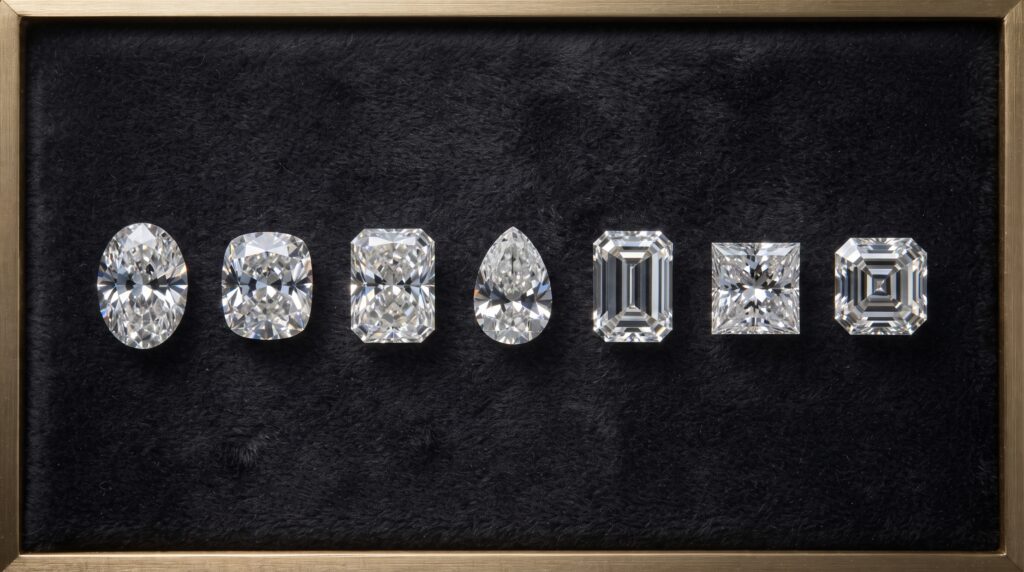
Not every lab grown diamond category performs the same way at retail. Some move fast, some sit in inventory for months. Here is what actually sells based on order patterns I have watched across US retail partners.
Round Brilliant Melee (0.01 to 0.20 ct)
These small, calibrated stones fuel pave settings, halo rings, and tennis bracelets. Demand stays constant year-round, and margins run thinner but volume compensates. Buying melee in pre-sorted, calibrated lots also cuts down on the labor cost of matching stones by hand at your own bench.
Center Stones (1.00 to 3.00 ct, Fancy Shapes)
Oval, cushion, and radiant cuts dominate engagement ring requests right now. This is where Fancy Shapes sourcing knowledge separates profitable retailers from ones stuck with dead stock.
Matched Pairs for Studs
Earring demand has grown quietly but steadily, and matched pairs command a premium because sourcing two identical stones takes real grading skill.
Beyond these three, elongated cushions serve custom bridal lines, princess cuts still move through traditional jewelry counters, pear shapes attract younger buyers wanting distinctive pieces, and emerald cuts appeal to investment-minded consumers who value clarity over sparkle. Asscher cuts remain a niche but loyal category among vintage-style buyers. Most retailers stock a blend of three or four shapes rather than betting on one, spreading risk across changing consumer taste.
Lab Grown Diamond Wholesale vs Natural Diamond Wholesale: The Real Difference
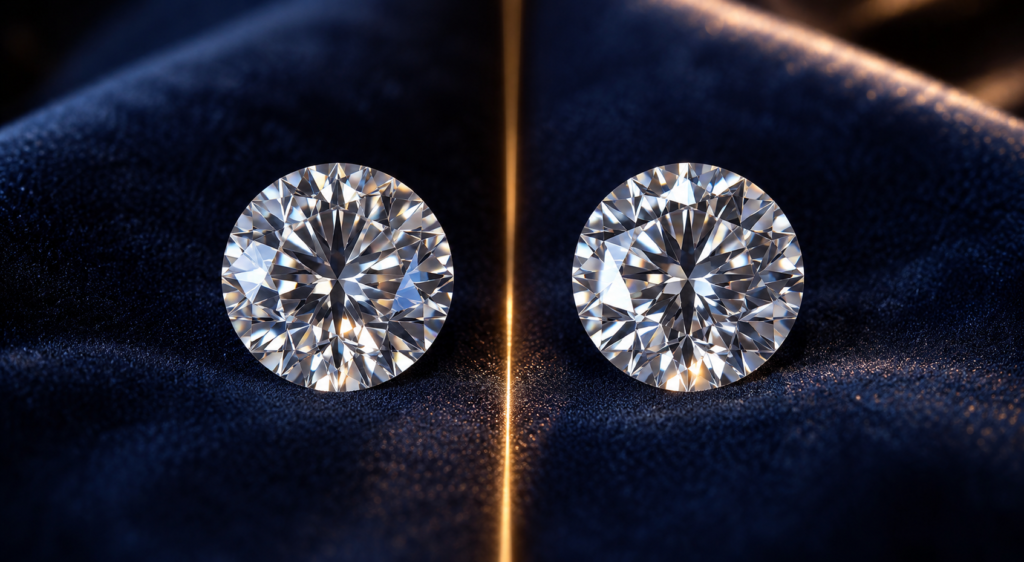
| Factor | Lab Grown Wholesale | Natural Diamond Wholesale |
|---|---|---|
| Average acquisition cost per carat | 60 to 80% lower | Baseline market price |
| Typical retail markup potential | 100 to 150% | 40 to 80% |
| Supply consistency | High, manufacturer-controlled | Variable, mine-dependent |
| Certification standard | IGI, GIA | GIA, AGS |
| Inventory turnover speed | Faster, price-accessible | Slower, higher price barrier |
The truth is that natural diamond margins have compressed for years, while lab grown diamond wholesale profit margin figures have stayed relatively strong because manufacturers pass production efficiency gains down the chain. To be fair, round diamonds still dominate engagement ring sales overall, and natural stones retain stronger resale perception among older consumers. That said, the accessible price point on lab grown stones brings in a buyer segment that was priced out of natural diamonds entirely, which is pure incremental revenue for most retailers.
How to Choose the Right Lab Grown Diamonds for Your Business
- Match your customer’s style preferences. If your local market skews toward classic solitaires, stock round and cushion cuts first before experimenting with fancy shapes.
- Consider your display and storage capacity. Melee parcels need different handling than large center stones, so plan your case space accordingly.
- Align stone selection with your setting inventory. A prong-heavy inventory needs round and princess cuts; bezel-focused lines favor emerald and asscher shapes.
- Calculate your budget advantage carefully. Is selling lab diamonds profitable 2026 for your specific overhead? Run the math against your actual rent and staffing costs, not industry averages.
- Think through occasion-based demand. Engagement season (November through February) needs heavier center stone inventory than summer months, which favor fashion pieces.
- Weigh lab-grown against natural stock ratios. Most successful retailers now carry 60 to 70% Lab Grown Diamonds inventory alongside a smaller natural selection for traditional buyers.
Before you finalize your choice, pull your last 12 months of sales data and see which shapes and sizes actually left your store, not which ones you assumed would sell.
What B2B Buyers and Diamond Manufacturers Should Know
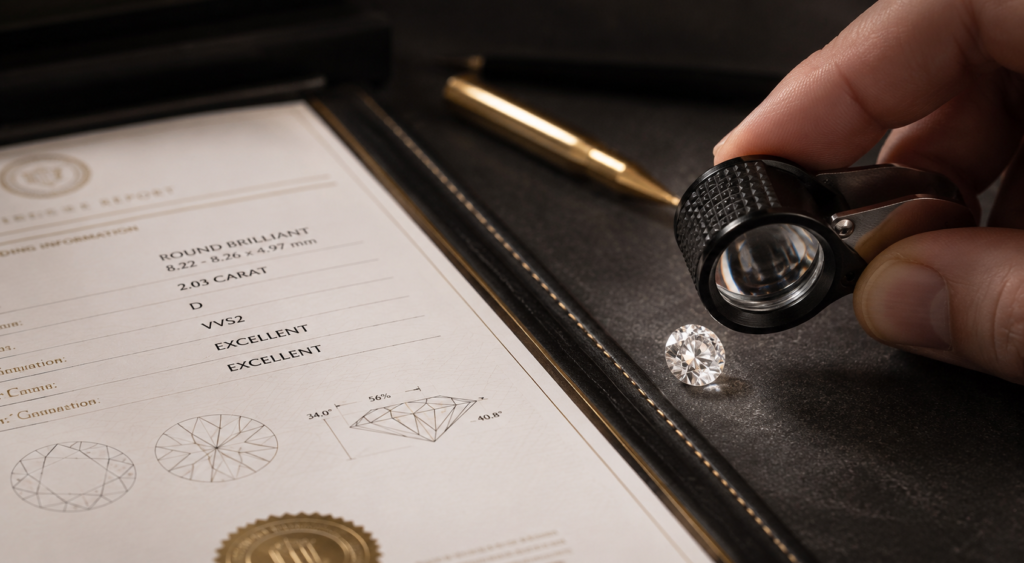
Bulk sourcing lab grown diamonds requires more diligence than most new wholesalers expect. Cut grading consistency varies significantly between manufacturers, even within the same reported clarity grade. Here is what separates a reliable supplier from a risky one.
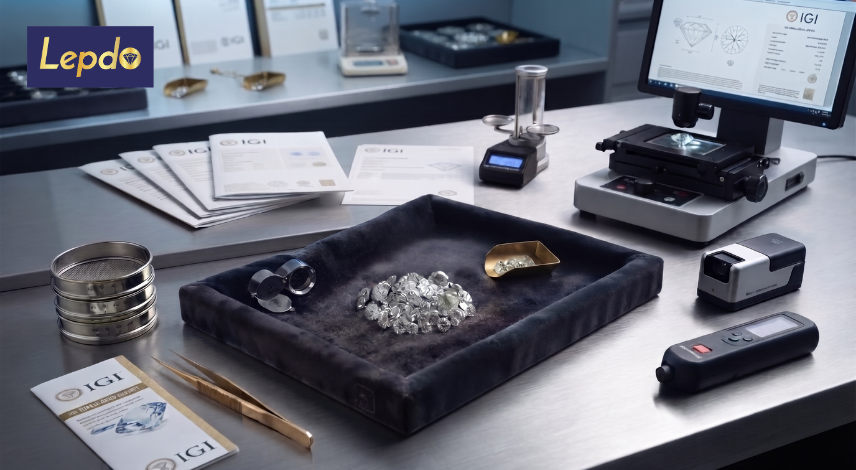
IGI certification remains the dominant standard for lab grown stones, though GIA has expanded its lab grown grading program considerably over the past few years. Rapaport pricing factors still influence lab grown benchmarks indirectly, since buyers use natural diamond pricing as a psychological reference point even when negotiating lab grown parcels. Manufacturers like Diamond Manufacturer in Surat facilities typically grade CVD and HPHT stones using in-house gemologists before third-party certification, which adds a layer of quality control smaller distributors skip.
In my experience, the single biggest mistake new B2B buyers make is ordering based on certificate numbers alone without requesting physical parcel review. A GIA or IGI report tells you the grade, not the face-up beauty or light performance of the actual stone in your hand. I always recommend requesting a sample parcel before committing to full container orders, and reviewing Unique Cut Diamonds options directly from manufacturer stock rather than relying solely on distributor photos.
For wholesale inquiries on fancy shapes or specific carat tiers, Lepdo Diamonds offers direct manufacturer pricing from Surat, which cuts out the extra layer of markup that distributors typically add. This matters more than most new buyers realize, because every intermediary in the supply chain shaves a percentage off your eventual retail margin. A retailer buying two steps removed from the manufacturer is almost always paying a premium that a direct relationship would avoid entirely.
Payment terms and minimum order quantities also vary widely between suppliers, and this affects your cash flow more than most first-time wholesale buyers expect. Smaller manufacturers often require full payment upfront, while established ones with a longer track record may offer net-30 or net-60 terms to verified B2B accounts. Understanding these terms before you commit to a supplier relationship protects your working capital during slower sales months.
Lab Grown Diamond Jewelry Trends in the USA (2026 to 2027)
Toi et moi settings, mixed metal bands, and asymmetrical clusters are shaping fancy cut diamond jewellery demand heading into 2027. Consumers increasingly want pieces that feel personal rather than mass-produced, which pushes demand toward elongated fancy shapes and unconventional stone placement.
Cultural and celebrity influence continues to push oval and cushion shapes into mainstream bridal conversations, a pattern retailers have watched repeat every engagement season for the past several years. Industry tracking from the lab diamond market growth sector shows lab grown diamonds now account for a meaningful and rising share of US engagement ring sales, a figure that has climbed steadily since 2021.
Retro-inspired settings paired with modern lab grown center stones are also gaining traction, especially among millennial and Gen Z buyers who want vintage aesthetics without vintage stone sourcing challenges. Think of it this way: today’s buyer wants a stone that photographs well for social media and holds meaning for decades, and lab grown diamonds increasingly deliver both without the natural diamond price ceiling.
Colored lab grown diamonds, particularly light champagne and yellow tones, are also entering mainstream retail assortments for the first time. These were once a niche natural diamond category priced far out of reach for most consumers, and lab grown production has made them commercially viable for the first time. Retailers who add a small colored stone selection alongside their DEFG white diamond stock often find it opens conversations with buyers looking for something distinctive rather than traditional.
How to Evaluate Quality in Lab Grown Diamonds
When I assess a lab grown parcel, the first thing I check is light performance under a loupe, not just the paper grade. Brilliance, fire, and scintillation tell you more about real-world appeal than a clarity grade ever will.
- Check pavilion depth and table percentage together, since a mismatch between the two creates a washed-out or overly dark stone regardless of clarity grade.
- Examine the stone for any bowtie effect, especially in oval, marquise, and pear shapes, since a heavy bowtie kills light return.
- Verify length-to-width ratio matches current consumer preference, generally 1.30 to 1.50 for ovals and 1.50 to 1.70 for emerald cuts.
- Review the certified diamonds documentation against the physical stone under 10x magnification before finalizing any bulk order.
- Ask for a return-to-light video, not just static photography, since scintillation only shows under movement.
Color grading nuances matter more in fancy shapes than round brilliants, since color concentrates near the corners in cushion and radiant cuts. Diamond grading standards from GIA and IGI both account for this, but a trained eye catches issues certificates sometimes miss.
Clarity considerations also shift depending on shape. Emerald and asscher cuts have large open facets that make inclusions far more visible than they would appear in a round brilliant of the same clarity grade. This is why I always recommend buyers request VS clarity or better for step cuts, even when a lower grade would work fine in a brilliant cut shape. A polished diamond that photographs beautifully under studio lighting can still disappoint a customer under daylight if the pavilion angle is off, so testing under multiple light sources before finalizing wholesale orders is worth the extra ten minutes it takes.
Conclusion
So, are lab grown diamonds worth buying wholesale for your business in 2026? Based on current margin data, certification standards, and consumer demand shifts, the answer leans firmly toward yes for retailers willing to source carefully. The key takeaways are straightforward: lab grown diamond wholesale profit margin still outperforms natural diamond spreads, fancy shapes like oval and cushion are driving current demand, and certification quality from GIA or IGI protects your reputation far more than chasing the lowest per-carat price.
Retailers sourcing certified lab grown diamonds can explore Lepdo Diamonds’ current stock and request sample parcels before committing to volume orders. Reviewing a Lab Grown Diamond Price breakdown alongside a proper Diamond Buying Guide gives you a realistic starting point before your first bulk purchase. Understanding Diamond Price Per Carat trends and how to buy a diamond the right way, alongside How to Buy a Diamond fundamentals and general Diamond Retail principles, will save you from costly early mistakes. This market rewards retailers who treat sourcing as seriously as they treat selling, and that discipline is what separates a one-season trend chaser from a lasting lab grown diamond business.
Frequently Asked Questions About Buying Lab Grown Diamonds Wholesale
1. What is wholesale lab grown diamond buying?
Wholesale lab grown diamond buying means purchasing certified loose diamonds directly from manufacturers or authorized distributors at bulk, below-retail pricing. Retailers then resell these stones individually through jewelry counters, e-commerce, or custom design services at standard retail markups.
2. Is lab grown diamond wholesale cheaper than natural diamond wholesale?
Yes, lab grown diamonds typically cost 60 to 80% less per carat than comparable natural diamonds at wholesale. This gap has narrowed slightly in recent years but remains substantial enough to support strong lab grown diamond wholesale profit margin potential for retailers.
3. Which lab grown diamond shape looks biggest or most impressive?
Elongated shapes like oval, marquise, and pear appear larger than their actual carat weight because of increased surface area. Radiant and emerald cuts also read larger visually compared to round brilliants at the same carat weight.
4. Does a lab grown diamond have a GIA cut grade?
Yes, GIA now grades lab grown diamonds on the same cut, color, and clarity scale used for natural stones, though the certificate is clearly labeled as laboratory-grown. IGI also issues comparable grading reports specifically for lab grown diamonds.
5. What is the biggest quality risk with lab grown diamond wholesale?
Inconsistent cut grading between manufacturers is the biggest risk, since two stones with identical paper grades can show noticeably different brilliance and fire. Requesting physical sample review before bulk ordering significantly reduces this risk.
6. Are lab-grown diamonds as good as natural diamonds?
Chemically and optically, lab grown diamonds are identical to natural diamonds, sharing the same crystal structure and light performance. The only meaningful difference is origin, which affects price and, for some consumers, perceived rarity.
7. Which lab grown diamond shape is best for an engagement ring?
Oval and cushion cuts currently dominate US engagement ring demand due to their elongated, flattering profile and strong light return. Round brilliants remain popular too, particularly among traditional buyers prioritizing maximum sparkle.
8. How do I choose a reliable lab grown diamond manufacturer or supplier?
Look for manufacturers offering both IGI and GIA certification, transparent DEFG color and VVS-VS clarity stock, and a willingness to provide sample parcels before large orders. Established Surat-based manufacturers with international B2B track records typically meet these standards consistently.