Natural Diamonds vs Lab Grown: Complete B2B Buyer’s Guide for Jewelers & Retailers
 by Lepdo Diamonds
3 comments
by Lepdo Diamonds
3 comments
Natural diamonds vs lab grown B2B India sourcing is the decision jewelry businesses make when choosing which diamond type to stock and where to buy it wholesale. For jewelers and retailers, this choice directly affects margins, customer satisfaction, and brand positioning. Lepdo Diamonds offers certified natural and lab grown diamonds direct from India, helping B2B buyers source smarter at every price point.
Sales of lab grown diamonds in the United States crossed a 10% market share milestone faster than most analysts predicted. Yet despite aggressive discounting and heavy retail promotion, natural diamonds still command over 80% of total engagement ring value sold in the country. That tension right there is the central business problem every jeweler and retailer is working through right now.
If you are evaluating your sourcing strategy for natural diamonds vs lab grown B2B India options, this guide gives you the complete picture. You will understand the real differences, the pricing dynamics, the certification standards, and exactly how to make the right inventory call for your business. We cover everything from GIA and IGI grading considerations to bulk sourcing from Surat, so you can make decisions based on facts, not marketing noise.
What Natural and Lab Grown Diamonds Actually Are
Most buyers know the basic concept. But the details matter more than people realize, especially at the B2B level.
Quick Info Box:
- Definition: Natural diamonds are carbon crystals formed over billions of years under extreme geological pressure; lab grown diamonds are chemically identical stones produced in weeks inside controlled factory reactors.
- Key Types: Natural round brilliant, natural fancy shape, CVD lab grown, HPHT lab grown
- Best For: Natural stones suit investment, heirloom, and premium retail; lab grown suits fashion, commercial, and high-volume retail
- Key Difference: Origin and long-term market value retention, not physical quality
Natural Diamonds are graded using the same 4Cs framework as lab grown stones: cut, color, clarity, and carat weight. The grading process at GIA and IGI treats both stone types with the same rigor, though reports now carry distinct labels to distinguish origin. That distinction matters enormously for your customer conversations and your pricing strategy.
Lab Grown Diamonds reach the market through two production methods. CVD (Chemical Vapor Deposition) and HPHT (High Pressure High Temperature) each produce slightly different growth characteristics, though both result in gem-quality stones that are physically indistinguishable from mined diamonds without specialized equipment.
The Main Diamond Types and Who They Are Best For
Understanding which diamond category serves which customer is the foundation of a smart B2B inventory strategy. Here is what each major type delivers.
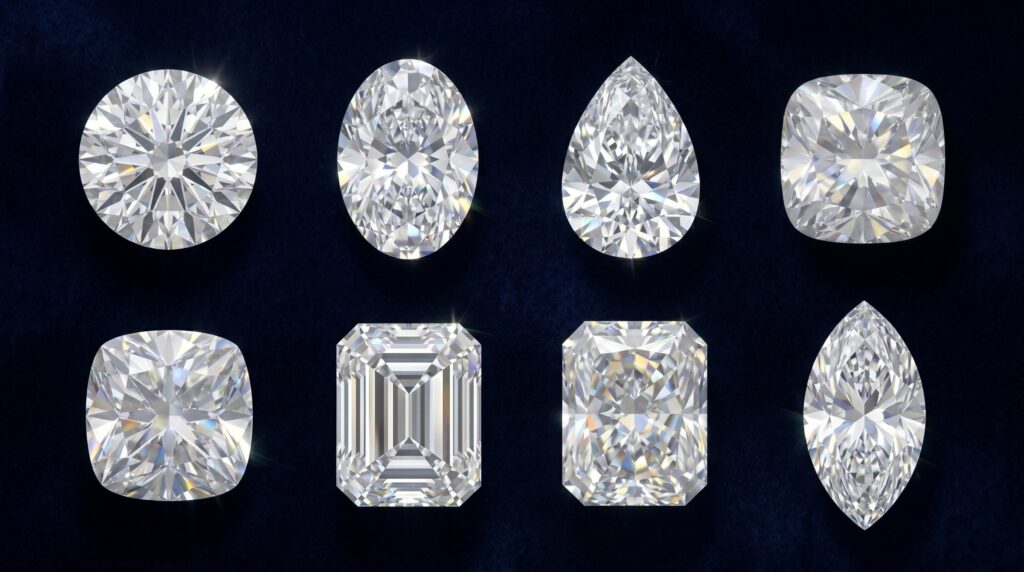
Natural Round Brilliant Diamonds
The round brilliant is still the single most requested diamond shape globally. Its 58 facets are engineered for maximum light return, and GIA issues a specific cut grade for rounds, which makes them the easiest stone to sell on quality benchmarks. For retailers building an engagement ring program, natural round brilliants in the 0.50ct to 2.00ct range form the core of any high-performing inventory. They carry the strongest Rapaport pricing anchors, which supports consistent margin management.
Natural Fancy Shape Diamonds
Oval, cushion, pear, emerald, marquise, and radiant cuts have seen consistent demand growth over the past three years. Fancy shapes offer retailers a visual advantage: an oval at 1.50ct looks noticeably larger face-up than a round at the same weight. For B2B buyers sourcing natural loose diamonds wholesale India, fancy shapes often carry a price-per-carat discount compared to rounds, which creates room for strong retail margins. The trade-off is that cut quality is harder to standardize, so certification from IGI or GIA becomes critical.
Lab Grown Diamonds (CVD and HPHT)
These stones are where volume retail and fashion jewelry live. Lab grown diamonds allow customers to purchase two to three times the carat weight for the same dollar spend as a comparable natural stone. For jewelers serving younger demographics or budget-focused buyers, lab grown diamonds are a high-velocity product. Margins can be strong when sourced correctly, though the rapid pace of wholesale price compression over the past two years requires careful inventory management.
Princess and Asscher Cut Diamonds
Both are step-cut or modified brilliants with strong architectural appeal. Princess cuts have a loyal following in engagement ring categories. Asscher cuts attract buyers who want an Art Deco aesthetic. Both are available in natural and lab grown formats from Indian suppliers, and both benefit from Diamond Certification because their clarity is more exposed to the naked eye than in brilliant cuts.
Pear Shape Diamonds
Pear shapes are having a significant resurgence across the USA retail market. Their elongated form flatters fingers and creates strong visual impact on smaller carat weights. Pear shapes are available in both natural and lab grown, and they perform well in both bridal and fashion contexts.
Marquise Cut Diamonds
Marquise cuts offer the most elongated face-up appearance of any diamond shape, making them compelling for customers seeking dramatic visual impact. They require careful inspection for bow-tie effect, a dark shadow that appears across the center of poorly proportioned stones.
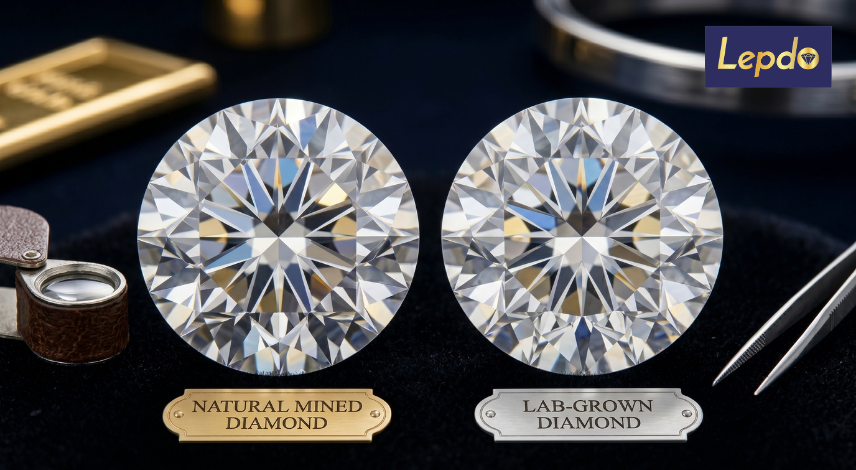
Natural Diamonds vs Lab Grown: The Real Difference
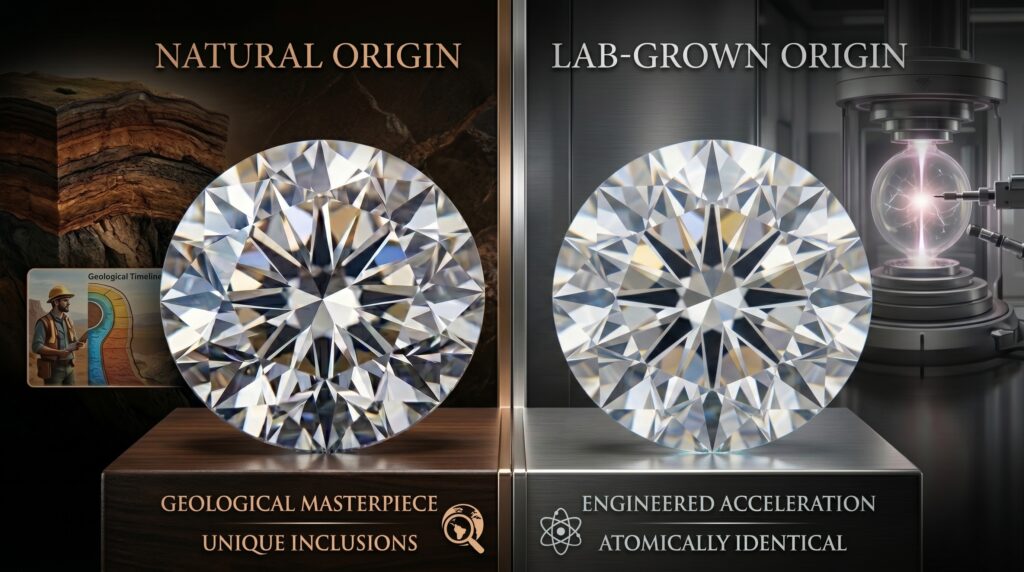
The honest answer is that this is not primarily a quality debate. Both stone types are real diamonds. The differences are economic, strategic, and perception-based. That said, those differences carry serious implications for how you price, position, and sell your inventory.
| Factor | Natural Diamonds | Lab Grown Diamonds |
|---|---|---|
| Origin | Mined from the earth over billions of years | Grown in a factory reactor over weeks |
| Price per carat | Higher, Rapaport-anchored | 50% to 80% lower at wholesale |
| Long-term resale value | Stable to appreciating on rare stones | Depreciating rapidly at wholesale level |
| Certification | GIA and IGI, widely accepted | IGI primary; GIA now certifies lab grown |
| Consumer perception | Rare, emotional, heirloom | Ethical, affordable, accessible |
The pricing gap is where B2B buyers need to think carefully. Lab grown wholesale prices have dropped sharply since 2022, which has compressed retail margins significantly for many jewelers who stocked aggressively. Natural diamond prices, while subject to Rapaport fluctuations, have held more stable floors. For diamond supplier for jewelers India relationships, natural stone sourcing often provides more predictable margin structures over time.
Think of it this way: lab grown diamonds are a high-velocity, lower-margin product. Natural diamonds are a lower-velocity, higher-margin product. Your business model determines which ratio works for you, and many successful jewelers now carry both.
How to Choose the Right Diamond Type for Your Business
This is where strategy meets reality. Here is a numbered breakdown of the six factors that should drive your decision.
- Store positioning and brand identity. If your brand is built on luxury and heritage, natural diamonds protect your positioning. If you are targeting younger, ethically motivated, or budget-conscious buyers, lab grown gives you a competitive price advantage in your retail cases.
- Average transaction value and customer profile. Customers spending above $5,000 on an engagement ring are far more likely to prefer natural. Below $3,000, lab grown becomes an easier sell because the size-per-dollar ratio is dramatically better.
- Setting styles and jewelry category. For classic solitaire and three-stone engagement rings, natural diamonds remain dominant. For fashion jewelry, tennis bracelets, and commercial fine jewelry, lab grown offers price points that make higher-volume sales feasible.
- Margin strategy and inventory turnover. Natural diamonds allow for higher per-unit margins and more stable inventory value. Lab grown diamonds require faster turnover because wholesale prices continue to compress. You will want to pay attention to how long lab grown stones sit in your inventory, as carrying cost relative to value can become a problem.
- Occasion and end use. Investment diamonds, milestone gifts, and heirloom pieces are almost exclusively natural. Everyday luxury, gift jewelry, and fashion pieces can effectively use lab grown without consumer resistance.
- Ethical and environmental positioning. Here is what the market actually shows: both types have environmental considerations. Lab grown production is energy-intensive. Natural diamond mining, when responsibly sourced from certified operations, supports significant community development in producing regions. If your customers raise ethical questions, having both options and knowing the facts gives you a credible answer. Explore the full context around Lab Grown Diamonds before committing to a single-category inventory strategy.
Before you finalize your sourcing decision, map your top 20 customer transactions from the last 12 months. The pattern in those transactions will tell you more about what your specific clientele wants than any general market trend report.
What B2B Buyers and Diamond Manufacturers Should Know
Retailers and wholesalers operate in a different buying environment than end consumers. The variables that matter at scale are different, and getting them right separates sustainable businesses from ones that get burned on inventory.
For bulk sourcing, consistency is the primary concern. When you purchase a parcel of natural loose diamonds bulk buy from an Indian supplier, you need to know that cut quality, color grading, and clarity calls are consistent across the lot. Inconsistent parcels create downstream problems: customer returns, grading disputes, and difficulty maintaining retail price integrity.
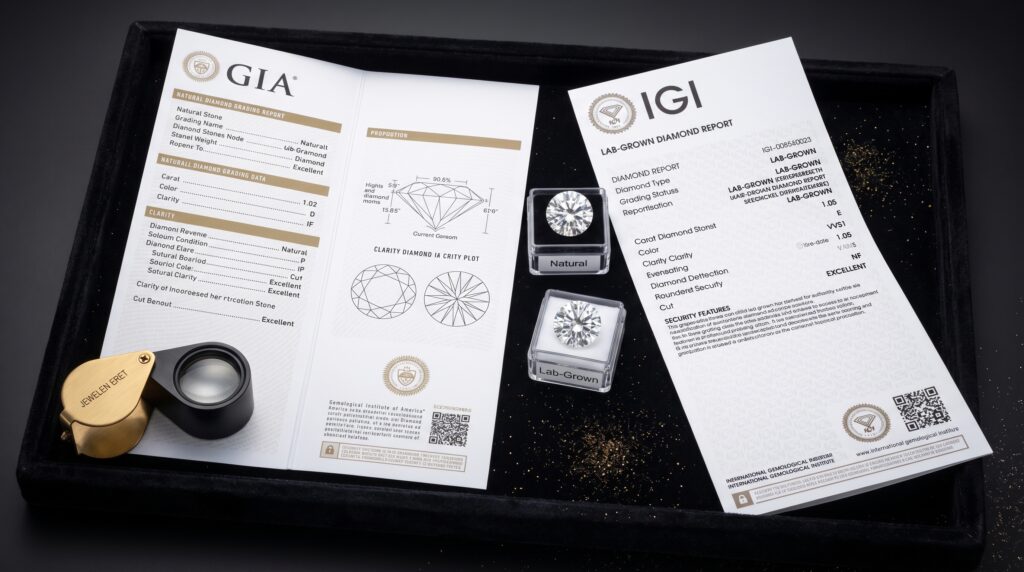
IGI and GIA certification standards differ in meaningful ways for bulk buyers. IGI Certified Diamonds are common in India’s wholesale market and are widely accepted by US retailers. GIA Certified Diamonds carry stronger brand recognition with American consumers and often support a small premium on retail sale. For engagement-ring focused retailers, GIA certification can be worth the additional cost. For fashion and commercial jewelry, IGI certification is typically sufficient and more cost-effective.
Rapaport pricing is the wholesale price benchmark for natural diamonds. Experienced B2B diamond sourcing India buyers negotiate as a percentage off Rapaport, and knowing current Rap sheet levels for your target sizes and qualities is non-negotiable. Lab grown diamonds are not Rapaport-priced; they trade on market supply and demand, which is why their prices have been so volatile.
Here is an industry-insider tip I share with every new B2B client: when evaluating a parcel, always ask for the range of depth percentage and table percentage across the stones, not just the average. A parcel that averages well but has wide variance will cause you problems at retail. A good Diamond Manufacturing partner will give you this data upfront without being asked.
For B2B diamond sourcing India, Surat remains the world’s largest cutting and polishing center, handling the vast majority of the world’s rough diamonds. A direct relationship with a Surat-based manufacturer gives you access to better pricing, greater transparency, and more customization options than buying through intermediaries.
Diamond Jewelry Trends in the USA (2025 to 2026)
The American fine jewelry market continues to evolve quickly, and the trends shaping consumer demand right now have direct implications for what B2B buyers should be stocking.
Fancy shapes continue to grow in bridal. Oval diamonds are now the second most popular engagement ring shape nationally, behind only the round brilliant. Elongated cushions, elongated radiant cuts, and pear shapes are all seeing increased retailer inquiry. This shift creates opportunity for natural diamond suppliers who can provide well-cut fancy shapes with strong face-up appearance and consistent proportions. The demand for unique, non-round shapes reflects a broader consumer desire for personalization in fine jewelry.
Yellow gold is back in a significant way. After more than a decade of white metal dominance, warm-toned settings have returned to American bridal and fashion jewelry. This is important for diamond inventory decisions: lower color grades (J, K, L) in natural diamonds face up beautifully in yellow gold settings, and sourcing these grades at lower price points creates meaningful margin opportunity. Natural diamond jewellery in warm-metal settings is performing well across multiple retail tiers.
Lab grown diamonds are being embraced most strongly in the fashion jewelry and stackable segment, while natural diamonds hold the bridal premium position. One market data point that tells the story clearly: the average retail price for a natural diamond engagement ring in the USA continues to rise, while lab grown engagement rings have trended down in average ticket as consumers trade up in carat size. Both trends create genuine opportunity for smart B2B buyers who position their inventory correctly.
How to Evaluate Quality in Natural and Lab Grown Diamonds
When I assess a diamond parcel, the first thing I check is not the certificate. It is the face-up appearance of the stone under controlled lighting. A certificate tells you the grading lab’s opinion; your eyes tell you what the customer will see.
Here are four expert evaluation tips that apply to both natural and lab grown stones:
- Check brilliance and light return before anything else. A stone with strong brilliance, fire, and scintillation will sell. A stone with a dull face-up appearance will sit in your case regardless of what the certificate says. Use a standardized lightbox or Idealscope for consistent evaluation across parcels.
- Inspect pavilion angles and table percentage for cut quality. For round brilliants, GIA’s cut grade gives you a reliable starting point. For fancy shapes, you must evaluate pavilion depth and table percentage manually or request lab data. The ideal table percentage for a round brilliant sits between 54% and 60%; deviations outside this range affect light return noticeably.
- Evaluate color grading in side-by-side comparison. Color calls at the D to F range are straightforward. G to J is where grading can diverge between labs, and this matters enormously for pricing. Always compare stones side by side on a white grading tray, face-down, in consistent lighting.
- Clarity grading for inclusions visible to the naked eye. Eye-clean is the retail standard that matters. A VS2 that is eye-clean performs better at retail than an SI1 with a visible black crystal near the table. Understanding the difference between clarity grade on paper and face-up appearance in person is one of the most valuable skills a B2B buyer can develop.
- For fancy shapes, screen for bow-tie effect. Oval, pear, and marquise cuts are all susceptible to a bow-tie shadow across the center of the stone. A severe bow-tie kills the stone’s beauty regardless of its certificate. Always view fancy shapes face-up under soft lighting before purchasing a parcel. Requesting IGI Certified Diamonds or GIA Certified Diamonds helps, but certification does not eliminate this evaluation step.
Conclusion
Three things stand out after every conversation I have with successful jewelry retailers on this topic. First, the natural diamonds vs lab grown B2B India decision is not binary. Smart businesses stock both and position each correctly for different customer segments. Second, certification matters as much as price, and the discipline of buying only certified stones protects your retail reputation in a way that cannot be quantified on a per-stone basis. Third, your supplier relationship is the foundation of everything else, because consistent quality, reliable supply, and transparent pricing are only possible when you are working with a manufacturer you trust.
If you are ready to explore your sourcing options, we invite you to browse the Diamond Ring collection and natural diamond inventory at Lepdo Diamonds. Whether you are building an engagement ring program, sourcing for fashion jewelry, or evaluating your first bulk order from India, our team is available for direct B2B consultations with no minimum order pressure.
The diamond industry moves fast, and the best sourcing decisions are made by buyers who stay informed. At Lepdo Diamonds, our goal is to be the most transparent and reliable diamond supplier for jewelers and retailers who want to build something lasting.
Frequently Asked Questions About Natural Diamonds vs Lab Grown
1. What is natural diamonds vs lab grown B2B India sourcing?
Natural diamonds vs lab grown B2B India sourcing describes the decision jewelry businesses make when purchasing diamonds wholesale from Indian suppliers. Natural diamonds are mined gems with geological age and rarity value; lab grown diamonds are chemically identical stones made in factories. India, and Surat in particular, is the world’s dominant cutting, polishing, and wholesale supply hub for both categories at globally competitive prices.
2. Are lab grown diamonds cheaper than natural diamonds for B2B buyers?
Yes, lab grown diamonds are significantly cheaper at wholesale, often 50% to 80% less per carat than comparable natural stones. For B2B buyers, this means higher potential margins on individual retail sales. Natural diamonds, however, carry stronger long-term pricing stability based on Rapaport benchmarks and retain consumer resale value far better, which keeps them strategically essential for premium retail positioning.
3. Which diamond type looks biggest or most impressive to retail customers?
Lab grown diamonds allow customers to purchase considerably more carat weight at the same price, so they often appear more impressive on a retail budget. Elongated fancy shapes such as oval and pear cuts appear larger face-up than round stones of equal carat weight. For maximum visual impact per dollar, lab grown in an elongated fancy shape delivers the strongest result for size-focused consumers.
4. Do natural diamonds from India have GIA or IGI cut grades?
GIA issues cut grades only for round brilliant diamonds, not fancy shapes. IGI has broader cut assessment criteria for some fancy shapes on its reports. Both GIA and IGI certifications are standard for natural loose diamonds wholesale India. Regardless of shape, always request certified stones to ensure grading transparency and protect your retail customers from misrepresentation.
5. What is the biggest quality risk when buying natural diamonds in bulk from India?
The biggest risk is inconsistent cut quality across a parcel, especially with fancy shapes where no universal cut grade standard exists. Individual stones in a bulk parcel can vary significantly in light performance, proportions, and symmetry. Always request certified stones, ask for full proportion data ranges across the parcel, and inspect representative samples under controlled lighting before committing to large purchases.
6. Are lab grown diamonds as good as natural diamonds in quality?
Lab grown diamonds are chemically, physically, and optically identical to natural diamonds. They achieve the same hardness (10 on the Mohs scale), the same brilliance, fire, and scintillation, and they are graded using the same 4Cs system by IGI and GIA. The difference is origin and market perception, not stone quality. For commercial and fashion applications, lab grown quality is entirely sufficient.
7. Which diamond type is best for an engagement ring from a B2B perspective?
Natural diamonds remain the leading choice for premium engagement rings due to their rarity, emotional significance, and stronger resale value perception. Lab grown diamonds suit retailers serving younger, budget-conscious couples who prioritize visible size and ethical sourcing narratives. Stocking both positions your business to serve both customer types. A natural round brilliant or natural oval remains the top-performing engagement ring stone by value at USA retail.
8. How do I choose a reliable natural diamond supplier or manufacturer in India?
Look for a supplier offering GIA or IGI certified stones, transparent Rapaport-based pricing, consistent cut quality across parcels, and verifiable export and compliance credentials. Surat-based manufacturers with direct cutting operations provide the strongest value and supply chain transparency. Lepdo Diamonds is a certified diamond supplier based in India, supplying both natural and lab grown diamonds to B2B buyers with full certification and wholesale pricing.