Lab Grown Diamonds Price Guide 2026: How Much Should You Actually Pay?
 by lepdogroup@gmail.com
0 comments
by lepdogroup@gmail.com
0 comments
Lab grown diamond price in India 2026 refers to the current wholesale and retail cost benchmarks for diamonds created in a laboratory rather than mined from the earth. Prices have dropped sharply over the past three years, making this the highest-value moment for buyers to enter the market. Lepdo Diamonds offers transparent, certified lab grown pricing direct from Surat for both B2B buyers and retail consumers across the USA.
A jewelry retailer in Dallas recently told me she bought a 2-carat, VS1 lab grown diamond for her flagship engagement ring display at under $1,100 wholesale. Three years ago, that same stone would have cost her more than double. That is not a rumor. That is the current state of the lab grown diamond market.
Lab Grown Diamond Price India 2026 has become one of the most searched questions among American buyers, and for good reason. The price curve has moved fast, and if you are shopping with outdated numbers in your head, you are either overpaying or undervaluing the stones you are sourcing. This guide gives you real benchmarks, a clear breakdown of CVD versus HPHT pricing, and the decision framework you need whether you are buying a single engagement ring or placing a 500-carat wholesale order.
We will cover cost per carat ranges across quality tiers, how origin and certification affect price, what the smart B2B buyer is doing differently in 2026, and where to find a supplier who will not waste your time.
What Lab Grown Diamonds Are and Why Pricing Works Differently
Lab grown diamonds are real diamonds. They share the same carbon crystal structure, optical properties, and physical hardness as mined stones. The difference is that they are produced in a controlled environment using either Chemical Vapor Deposition (CVD) or High Pressure High Temperature (HPHT) technology, rather than extracted from the earth over billions of years.
Quick Info Box Definition: A lab grown diamond is a real diamond produced in a laboratory using CVD or HPHT technology, chemically identical to a mined diamond. Key Types: CVD (Chemical Vapor Deposition), HPHT (High Pressure High Temperature) Best For: Engagement rings, fine jewelry, wholesale manufacturing, budget-conscious luxury buyers Key Advantage: Up to 80% lower cost than natural diamonds of comparable cut, color, and clarity grade
Pricing in the lab grown category behaves differently from natural diamonds because supply is not geologically constrained. As more production facilities come online, especially in India’s diamond capital of Surat, prices adjust downward. That is a fundamental shift from the Rapaport-anchored pricing model that governs natural diamonds.
To get a full foundation on how the broader diamond market values polished stones, visit the Lab Grown Diamonds glossary entry from Lepdo Diamonds.
Lab Grown Diamond Price India in 2026: Types, Tiers, and Who They Are For
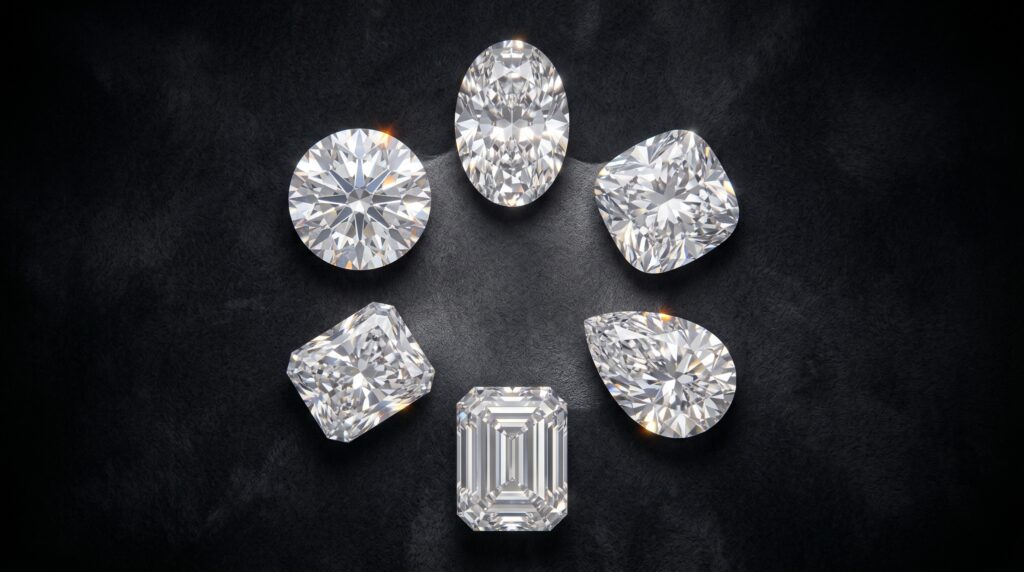
Here is what the market actually looks like today across the main product categories.
CVD Diamonds: The Production Workhorse
CVD diamonds currently make up the majority of lab grown supply coming out of India. The process builds the diamond layer by layer in a gas chamber, which allows manufacturers to produce larger stones with better color consistency. At the wholesale level in 2026, CVD diamond prices run approximately:
- 0.50 ct, G/VS2: $90 to $160
- 1.00 ct, G/VS2: $250 to $450
- 2.00 ct, G/VS2: $700 to $1,100
- 3.00 ct, F/VS1: $1,800 to $2,800
CVD diamond price wholesale has come down sharply since 2023, driven by increased reactor capacity across Surat-based manufacturers. This tier is ideal for jewelry retailers who need consistent quality at volume and cannot absorb the price variance that natural diamonds carry.
HPHT Diamonds: The Original Method, Still Relevant
HPHT diamonds are grown by mimicking the extreme pressure and heat conditions deep inside the earth. They tend to produce stones with excellent crystal structure and are often used for higher-color grades like D, E, and F. HPHT diamond price in India runs slightly higher than CVD at equivalent quality because the process is more capital-intensive.
Expect to pay 10% to 20% more for HPHT stones in matched color and clarity grades. The difference is worth it for buyers who need Type IIa-quality stones or who are targeting the D-F color range for premium retail.
Fancy Shape Lab Grown Diamonds
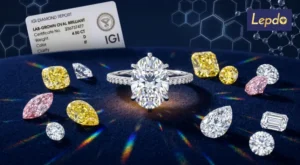
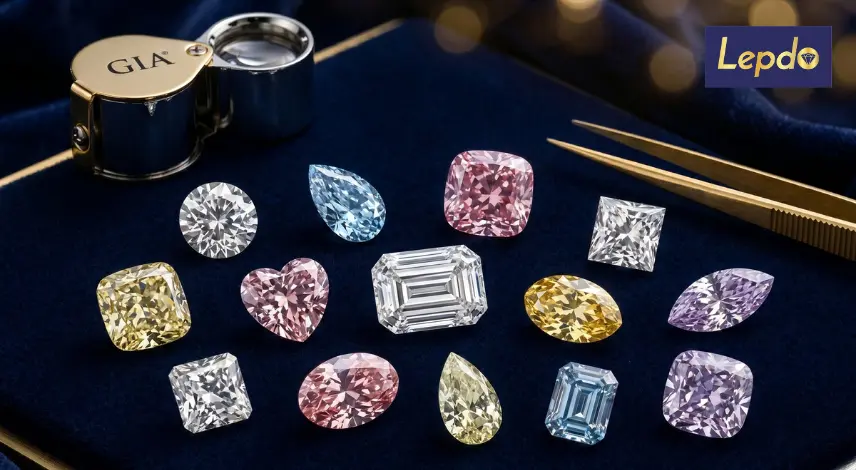
Oval, cushion, pear, radiant, and emerald cut lab grown diamonds are priced at a discount to round brilliants, typically 15% to 25% lower per carat at equivalent grades. This makes them attractive for designers and retailers building fashion jewelry collections. Demand for oval cuts has surged across USA retail channels since late 2024, which has slightly compressed the discount on that specific shape.
Melee and Commercial Grade Stones
For jewelry manufacturers sourcing side stones and melee, lab grown diamonds priced under $80 per carat are widely available from Surat suppliers. Quality consistency is the variable to watch. Tighter polish and symmetry grades cost more even in small stones, and the difference shows under magnification.
Certified vs. Uncertified Lab Grown Diamonds
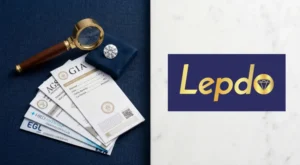
Uncertified stones sell for 20% to 35% less than IGI-certified equivalents. Most serious buyers should not let that discount tempt them. Diamond certification from IGI or GIA is your only objective verification of what you are actually getting. Without it, you are relying entirely on the supplier’s self-reporting.
Investment-Grade Lab Grown (D/IF and D/VVS1)
The top tier of lab grown production, stones graded D color and IF or VVS1 clarity with Excellent cut, now retails in the USA at $3,000 to $6,500 per carat for a 2-carat stone. That sounds steep until you compare it to the $25,000 to $40,000 a comparable natural diamond commands. The value proposition is hard to ignore.
Lab Grown Diamonds vs. Natural Diamonds: The Real Price Difference
| Factor | Lab Grown Diamond | Natural Diamond |
|---|---|---|
| Price per carat (1 ct, G/VS2) | $300 to $500 retail | $4,500 to $6,500 retail |
| Price trend (2023 to 2026) | Declining 15 to 25% per year | Relatively stable to modest decline |
| Resale value | Low to moderate | Moderate to high |
| Certification options | IGI, GIA, GCAL | GIA, IGI, AGS |
| Rapaport price list applicability | Not directly applicable | Central pricing reference |
The price gap between lab grown and natural diamonds has widened in 2026. Most independent analysis points to lab grown diamonds trading at 80% to 85% below natural equivalents of comparable grades at retail. That number has grown from roughly 50% in 2020.
The truth is, for a buyer whose priority is face-up beauty in a solitaire engagement ring, a lab grown diamond at one-fifth the cost of a natural stone is not a compromise. It is a redirect of the same budget toward a larger, better-cut stone. That said, natural diamonds retain stronger resale and collector value, and some buyers place significant weight on that. The right answer depends entirely on what the purchase is for.
Lab grown diamond cost per carat at the wholesale level makes the math especially compelling for retailers. Margin structures that are difficult to maintain with natural diamonds become entirely workable with lab grown.
How to Choose the Right Lab Grown Diamond for Your Needs
You will want to pay attention to these six factors before committing to a purchase, whether you are buying one stone or one thousand.
- Cut quality above everything else. A poorly cut diamond, lab grown or natural, will look dull regardless of its color and clarity. Always prioritize Excellent or Very Good cut grades on the IGI report. Table percentage between 54% and 58% and depth between 59% and 62.5% are solid targets for round brilliants.
- Carat weight versus face-up size. Not all 1-carat diamonds look the same size. Elongated shapes like oval and pear appear larger face-up than round brilliants of the same weight. If maximizing perceived size is the goal, fancy shapes priced 20% lower per carat will deliver better visual value.
- Setting compatibility. A delicate pavé setting in 14K gold calls for a different stone than a bezel-set modern design in platinum. Consider how the stone will be used. Cushion and round cuts are most forgiving across setting styles. Emerald cuts demand higher clarity grades because the step facets expose inclusions.
- Budget advantage over natural alternatives. The price gap between lab grown and natural diamonds makes it possible to buy a 2-carat stone for the same budget a buyer would have spent on a 0.75-carat natural. That is a real, tangible upgrade in ring presence.
- Occasion and intended use. Engagement rings, anniversary gifts, and fashion jewelry each have different quality thresholds. For commercial jewelry production or fashion-forward retail, G-H color and VS2-SI1 clarity lab grown diamonds offer the best margin-to-appearance ratio.
- Lab grown origin and growth method. If color consistency across a batch matters for your production run, specify CVD with tight color tolerances. If you are sourcing top-color D-E stones for a premium collection, HPHT production often delivers more consistent results in that range. For a full breakdown of how Lab Grown Diamonds are graded and compared to natural stones, Lepdo’s glossary is a solid starting point.
Before you finalize your choice, ask your supplier for light performance data or at minimum an ASET image. A grading report tells you what a stone is. An ASET image tells you how well it actually performs.
What B2B Buyers and Diamond Manufacturers Should Know
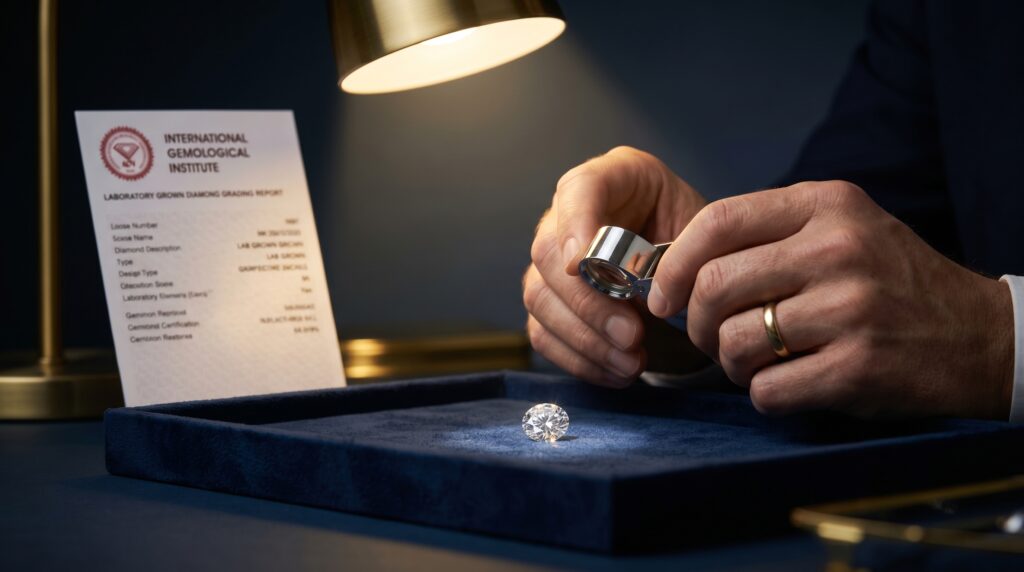
Sourcing lab grown diamonds at volume in 2026 is a completely different conversation from where the market was even two years ago. Supply is not the constraint it used to be. The real differentiators now are cut grading consistency, reliable certification, and supplier transparency on pricing.
Here is what separates a good wholesale relationship from a frustrating one: IGI certification consistency. When you place a 200-carat order and receive stones graded across a wide range of actual cut quality, you have a production problem, not just a sourcing problem. The best lab grown diamond suppliers in Surat maintain tight internal grading standards that match or exceed what the IGI report states. That kind of consistency is not universal. Ask for it explicitly.
On pricing, most B2B buyers in the USA are now benchmarking CVD diamond price wholesale against published price lists and adjusting for their specific quality tier. The old habit of using Rapaport as an anchor does not translate directly to lab grown, but many experienced buyers use it as a rough orientation point before applying a lab grown discount factor. Understanding Diamond Price mechanics in both categories gives you a cleaner negotiating position.
When I assess a batch of lab grown diamonds for a wholesale client, the first thing I check is not the grading report. It is the actual table and depth measurements against the stated cut grade. Lab grown production can be inconsistent at the polish and symmetry level even when the broad cut grade reads Excellent. That gap between paper and performance is where sourcing decisions win or lose.
For manufacturers building USA-facing jewelry collections, IGI certification is effectively the floor requirement. GIA lab grown reports are increasingly accepted, but IGI remains the dominant document in the Surat-to-USA wholesale pipeline. Confirm certification before you price your retail offering.
Lab Grown Diamond Jewelry Trends in the USA, 2025 to 2026
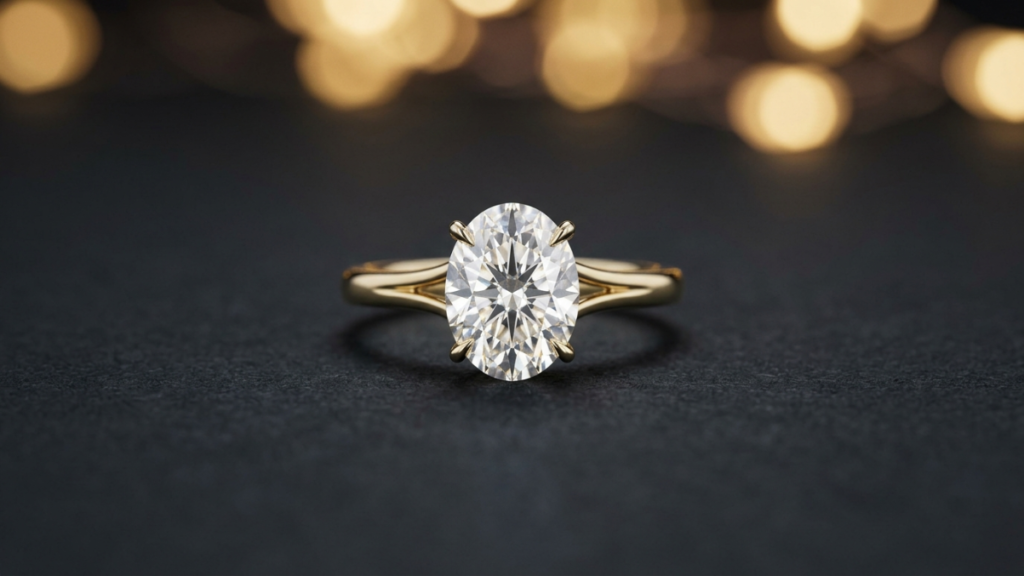
The USA lab grown diamond market crossed a notable threshold in 2025: for the first time, lab grown stones accounted for more than half of all diamond engagement ring center stones sold by volume at major national retailers. That shift has accelerated design conversations in ways the industry did not fully anticipate.
Solitaire settings with lab grown oval and cushion centers are the dominant trend right now. East-west oval settings, in particular, have moved from niche to mainstream in the past 18 months. Toi et moi rings using two lab grown stones, often a round paired with a pear or emerald cut, continue to drive strong consumer interest driven by cultural moments in celebrity and fashion media.
For fashion and everyday jewelry, lab grown diamond tennis bracelets and stud earrings have become accessible at price points that create a new consumer category: buyers who previously could not justify a diamond purchase. Lab grown diamond cost per carat in the 0.20 to 0.50 carat range has dropped to levels that make diamond earrings a reasonable gift category, not just a luxury milestone. According to industry tracking from the Antwerp World Diamond Council, lab grown diamond jewelry retail revenue in the USA grew 18% in 2025 year-over-year, even as average selling prices continued to decline. Volume is driving the growth.
Yellow gold settings with lab grown fancy color diamonds, particularly yellow and pink CVD stones, represent an emerging trend at the premium retail level. The color-to-price ratio on lab grown fancy colors is extraordinary compared to natural equivalents.
How to Evaluate Lab Grown Diamond Quality Before You Buy
When I assess a lab grown diamond, the first thing I check is the cut, specifically the pavilion angle and table percentage on the IGI report. A well-cut CVD stone with G color and VS2 clarity will outperform a poorly cut D/IF stone in every real-world lighting condition. Brilliance, fire, and scintillation are products of geometry first and material second.
Here are four expert evaluation steps every buyer should follow:
- Verify the grading report independently. Cross-check the IGI or GIA report number on the issuing laboratory’s website before purchase. Counterfeit or altered reports exist, particularly in uncertified channels.
- Check for post-growth treatment. Some CVD diamonds carry residual strain or graining that affects color. Ask your supplier directly whether stones have been treated to improve color after growth. Treated stones should be disclosed and priced accordingly.
- Request light performance documentation. An ASET or Idealscope image shows actual light return patterns. Dead zones visible in these images indicate a cut that will not perform under standard lighting. No grading report will flag this directly.
- Examine clarity characteristics under 10x magnification. Lab grown diamonds have distinct inclusion types. CVD stones can show pinpoint clouds or graining. HPHT stones sometimes show metallic flux inclusions. Neither is automatically a problem, but knowing what you are looking at lets you grade accurately. Lab Diamond Price varies significantly based on these clarity nuances, especially at the VVS1 to VS2 range.
- Match scintillation patterns to the setting design. Step-cut diamonds like emerald and Asscher cuts show broad flashes rather than sparkle. If a client wants maximum scintillation, a brilliant cut, round, oval, or radiant, will always deliver more visual energy than a step cut at the same grade.
The Smart Buyer’s Position in 2026
Three things stand out clearly from everything covered in this guide. First, Lab Grown Diamond Price India in 2026 is at its most accessible point ever, and both retail consumers and B2B buyers are capturing real value by acting now rather than waiting for further price movement. Second, price alone should never drive the decision. Cut quality, certification integrity, and supplier transparency matter enormously at every price point, and a cheap poorly cut stone is a worse investment than a well-priced excellent one. Third, the gap between what lab grown diamonds offer versus natural diamonds on a pure beauty-per-dollar basis has never been wider, and American buyers across every category are recognizing that.
Whether you are a jewelry retailer building your 2026 collection or an individual shopping for an engagement ring, the data and the market both point in the same direction. You do not have to compromise on quality to get a diamond that genuinely impresses.
Explore current Diamond Price Trends and certified lab grown diamond options at Lepdo Diamonds, a Surat-based supplier with direct experience serving USA wholesalers, manufacturers, and retailers. The right lab grown diamond at the right price is not a lucky find. It is a sourcing decision made with accurate information.
Most buyers who work with us once do not shop around again. That consistency is what we build everything on.
Frequently Asked Questions About Lab Grown Diamond Price India in 2026
1. What is the Lab Grown Diamond Price India in 2026?
Lab Grown Diamond Price India in 2026 ranges from approximately $150 to $900 per carat at the wholesale level, depending on carat weight, cut quality, color, clarity, and whether the stone is CVD or HPHT grown. Retail prices are typically 2x to 3x higher. Prices have continued to fall year-over-year as production capacity in Surat and Gujarat has expanded significantly.
2. Are lab grown diamonds cheaper than natural diamonds?
Yes, lab grown diamonds are significantly cheaper than natural diamonds of comparable quality. In 2026, a well-cut 1-carat lab grown diamond retails for roughly 70% to 85% less than its mined equivalent. At the wholesale level sourced directly from a supplier in Surat, that gap can be even larger. The price difference is driven by lower production costs and growing supply, not lower quality.
3. Which lab grown diamond type looks the most impressive?
For visual impact, a round brilliant cut lab grown diamond consistently delivers the most brilliance and fire regardless of whether it is CVD or HPHT grown. Among fancy shapes, oval and cushion cuts appear largest relative to their carat weight. For buyers prioritizing face-up size over everything else, an elongated oval or radiant cut lab grown diamond typically offers the best visual return per dollar spent.
4. Do lab grown diamonds receive a GIA cut grade?
Yes. GIA began grading lab grown diamonds on the same cut scale as natural diamonds. IGI has done so for longer and is widely considered the industry standard for lab grown diamond certification, especially among Surat-based manufacturers. Most lab grown diamonds sold at the wholesale level in India come with IGI reports. Buyers should always request a grading certificate before purchasing.
5. What is the biggest quality risk with lab grown diamonds?
The biggest risk is inconsistent cut quality. Because lab grown production has scaled fast, not every manufacturer maintains tight polish and symmetry standards. A poorly cut lab grown diamond will show dead zones and diminished brilliance no matter how good its color and clarity grades look on paper. Always request light performance data or an ASET image alongside the grading report before committing to a purchase.
6. Are lab grown diamonds as good as natural diamonds?
Physically and chemically, yes. Lab grown diamonds are identical to mined diamonds in hardness, refractive index, and optical properties. They score 10 on the Mohs scale and are graded by the same 4Cs standards. The difference is origin and resale value. Lab grown diamonds currently have lower resale value than natural diamonds, which matters if you view the purchase as a long-term investment.
7. Which lab grown diamond shape is best for an engagement ring?
Round brilliant remains the most popular choice for engagement rings due to its unmatched light return and timeless profile. Oval cuts have surged in demand among American buyers since 2023 because they appear larger and suit a wide range of finger types. For buyers who want a distinctive look, cushion and pear shapes are strong choices that photograph beautifully and pair well with halo or solitaire settings.
8. How do I choose a reliable lab grown diamond manufacturer or supplier?
Look for a supplier who provides IGI or GIA-certified stones, maintains transparent pricing benchmarks, and can supply consistent cut grades across bulk orders. Surat-based manufacturers with direct export experience to the USA are ideal for B2B buyers. Ask for sample stones before placing large orders and verify that grading reports match actual stone measurements. Lepdo Diamonds is a certified lab grown diamond supplier based in Surat with established USA wholesale relationships.