 Super-Fast Shipping Worldwide
 Consistent Supply & Competitive Pricing
Comprehensive Gemological Guide to Loose Flower Cut Lab Diamonds
The Modern Evolution of Loose Diamond Geometry
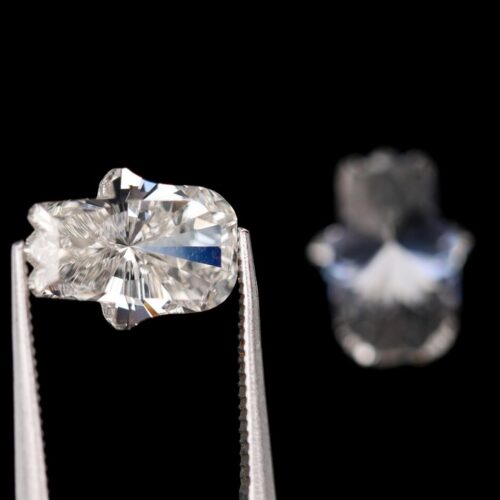
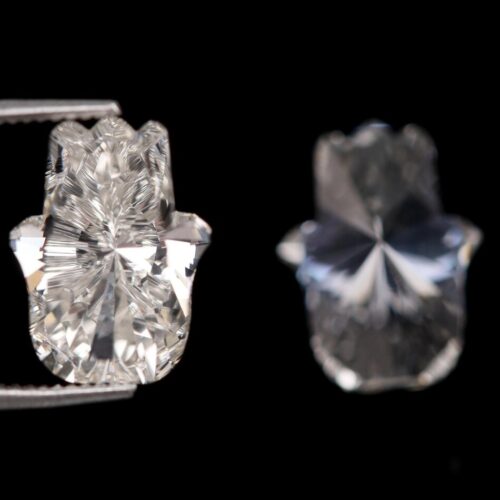
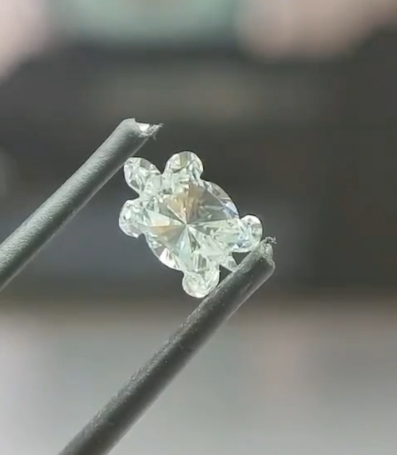
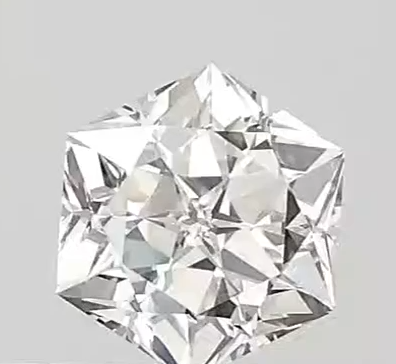
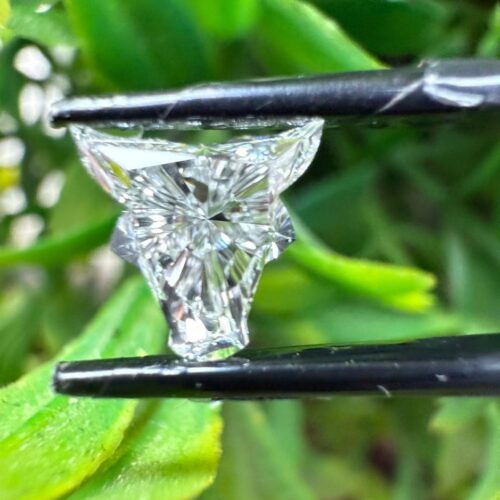
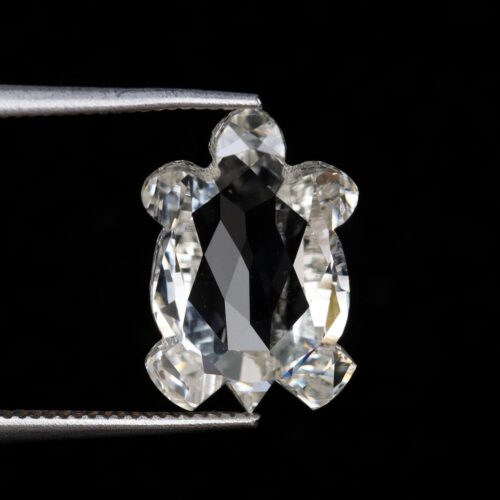
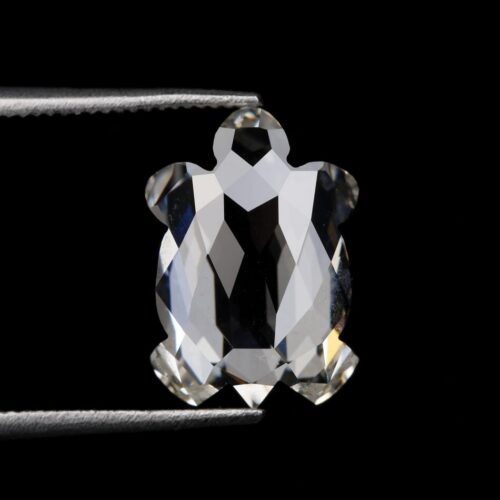
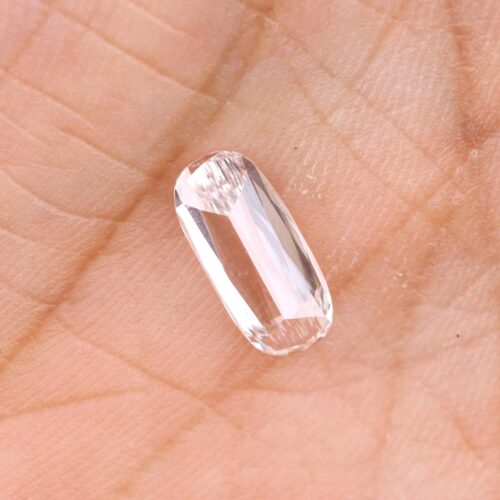
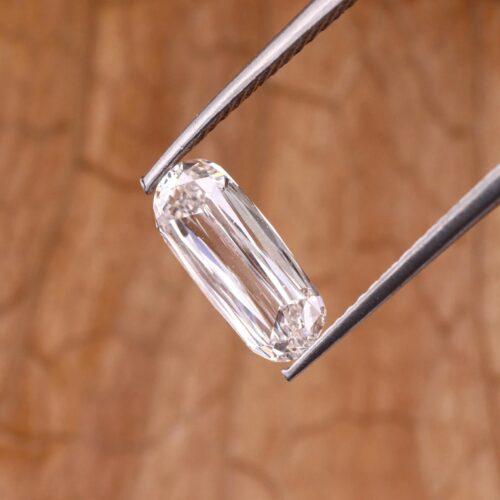
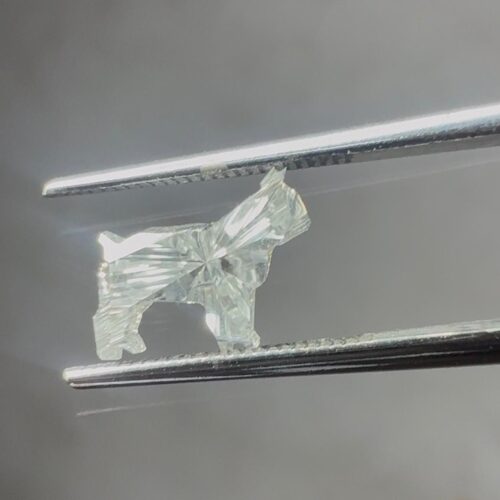
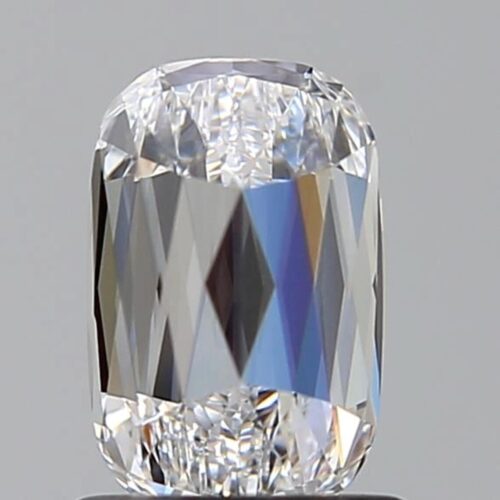
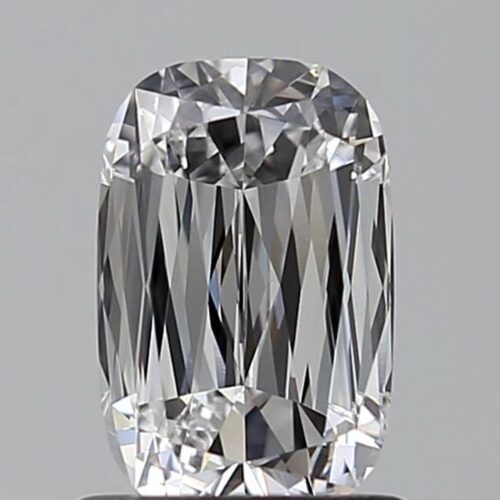
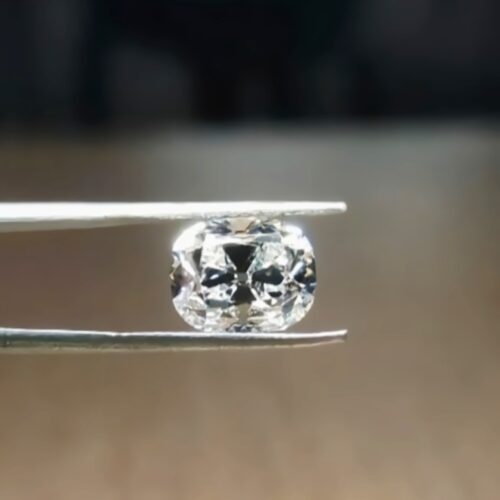
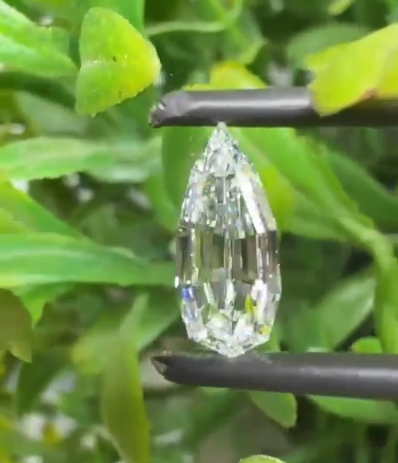
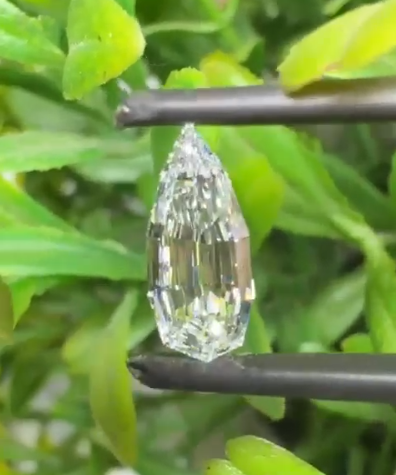
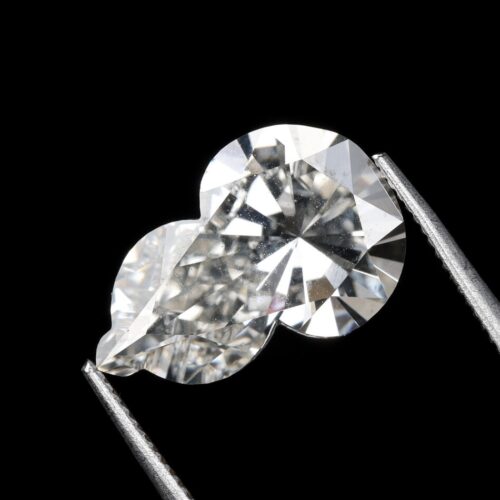
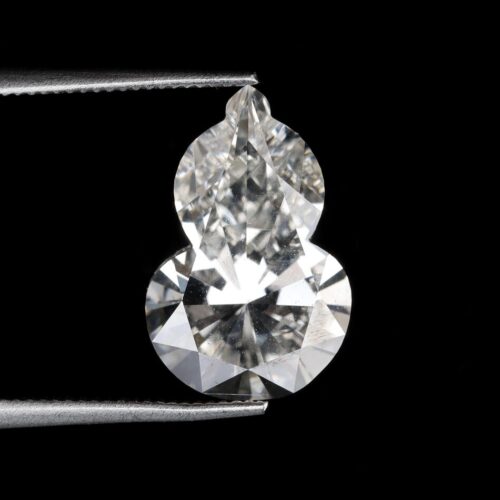
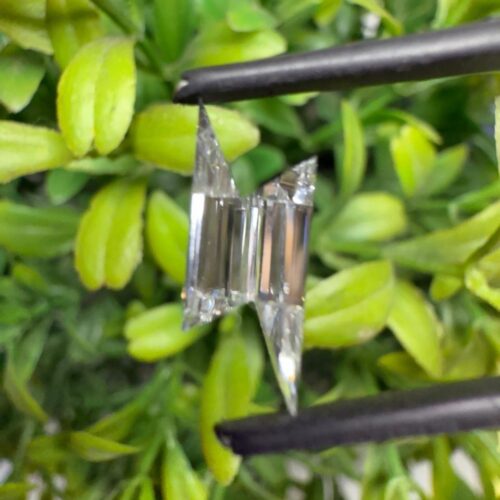
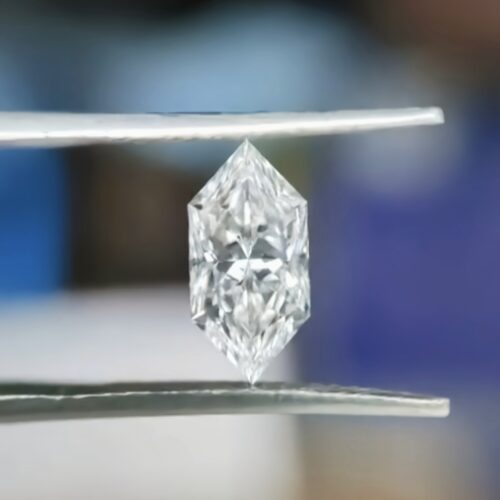
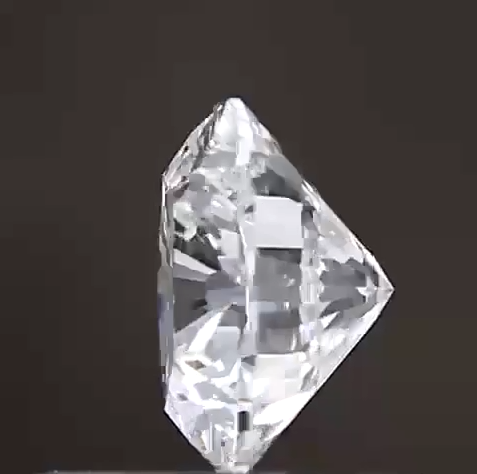
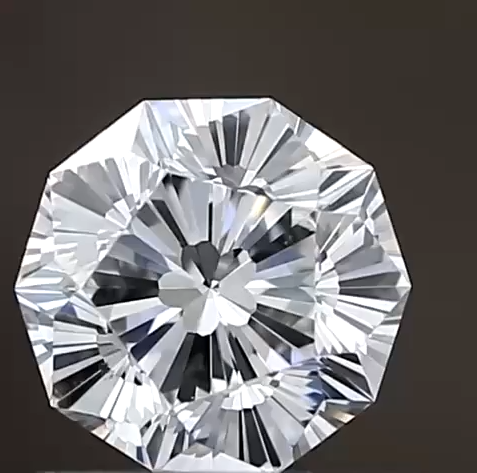
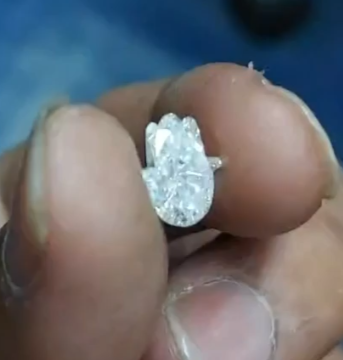
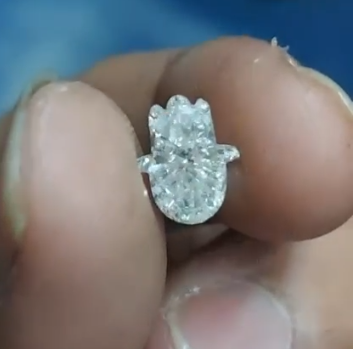
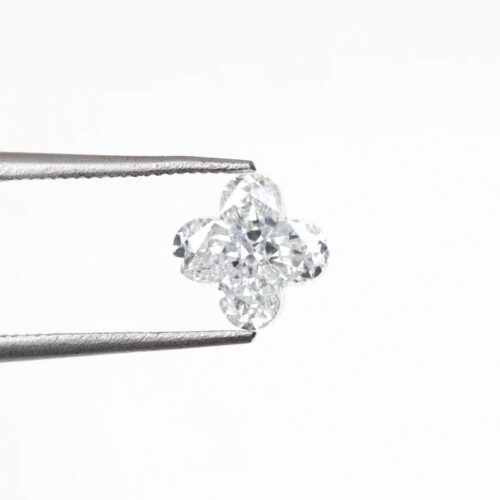
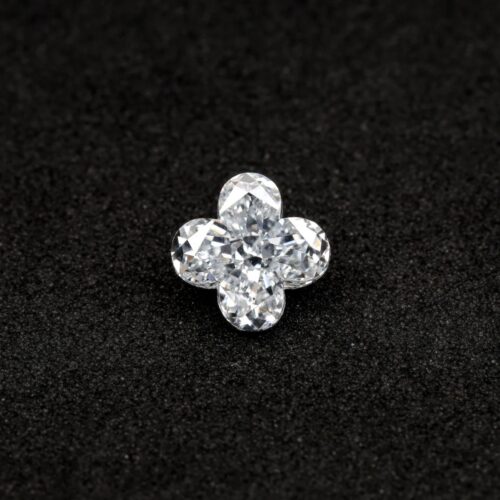
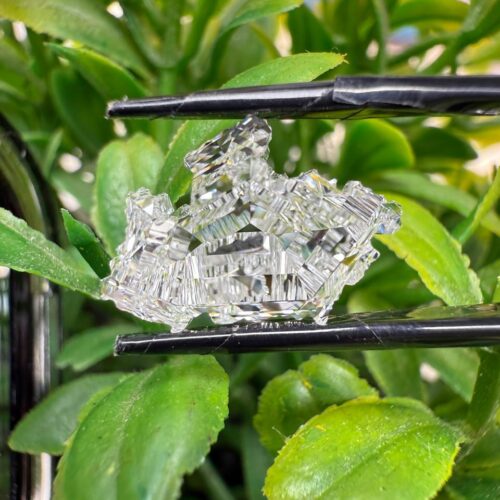
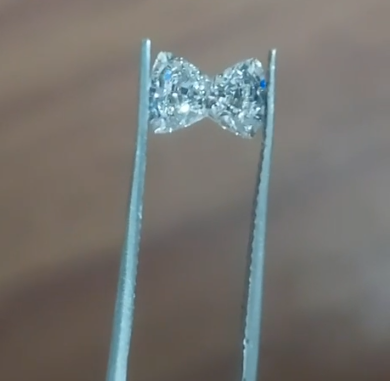
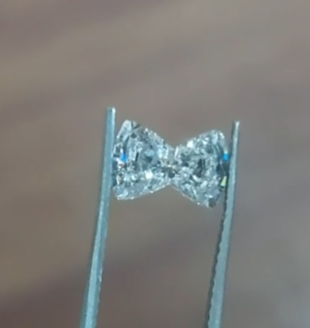
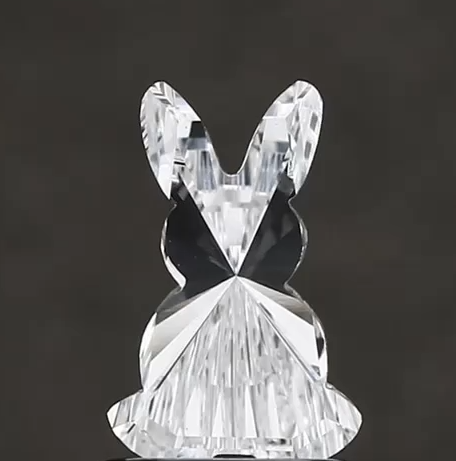
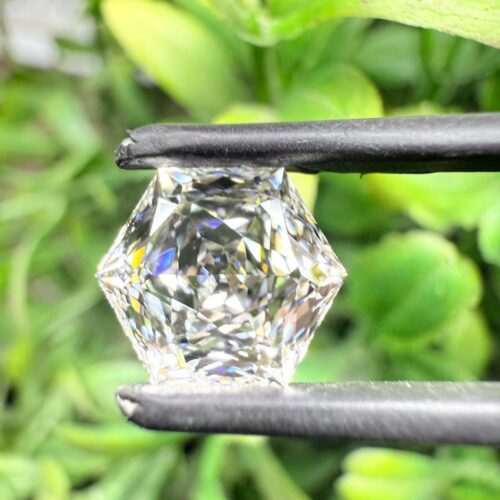
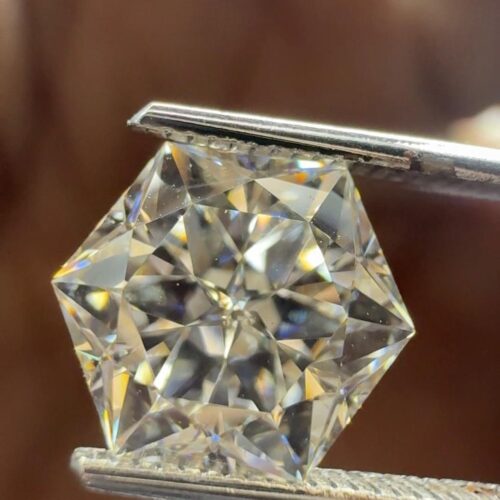
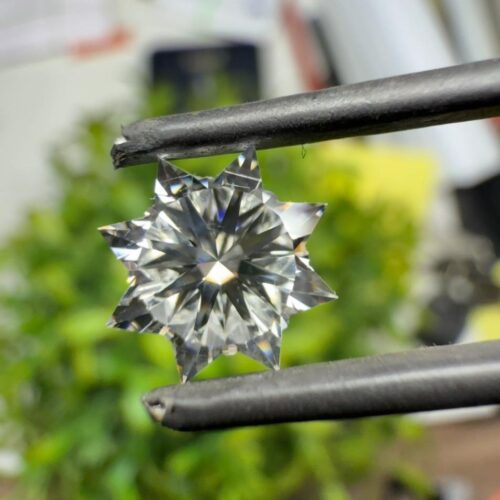
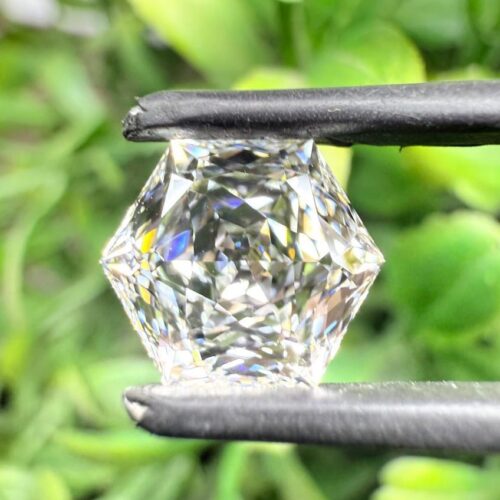
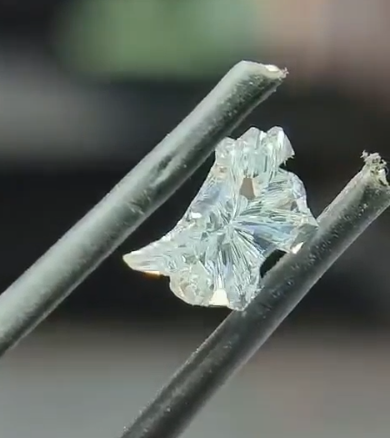
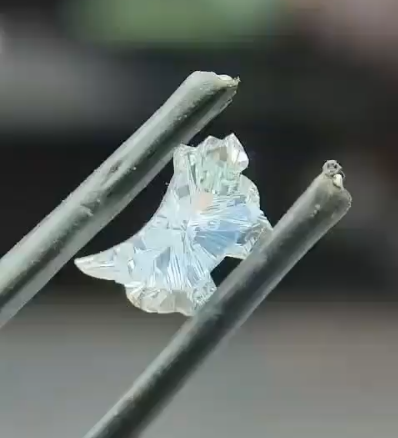
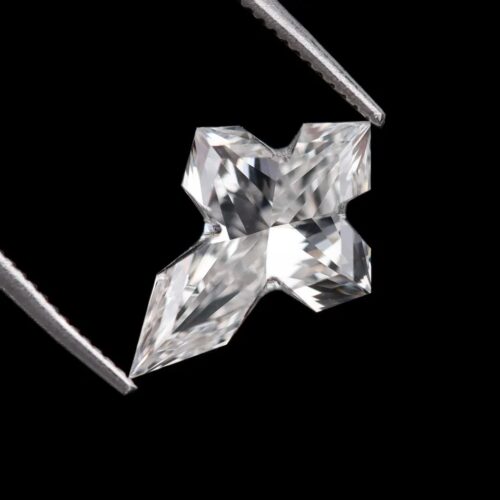
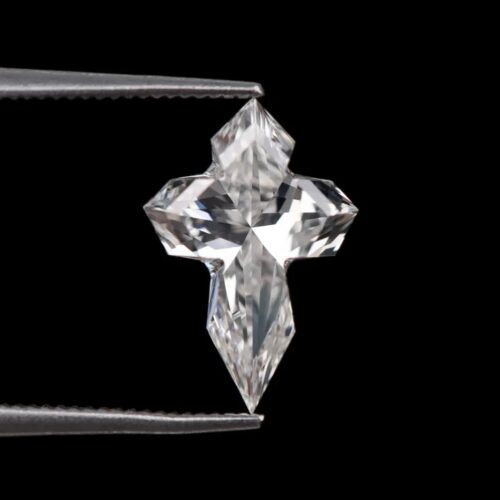
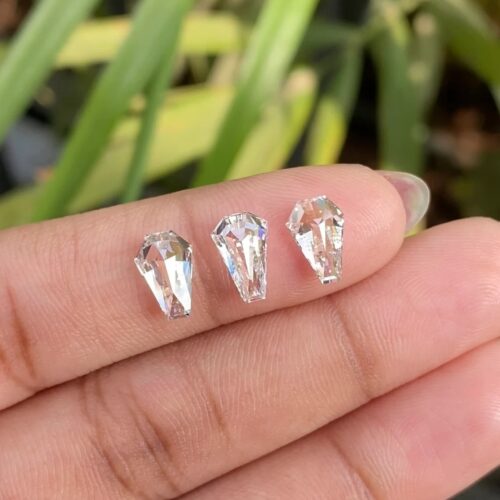
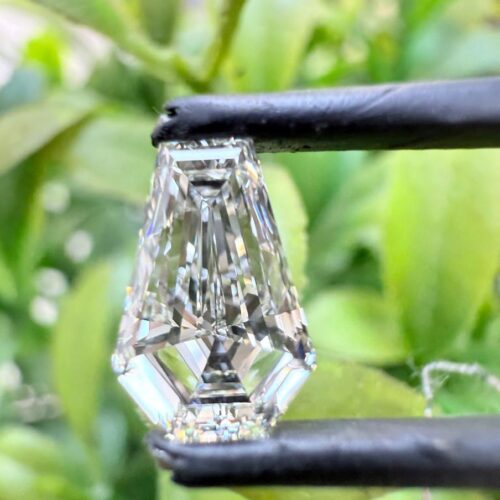
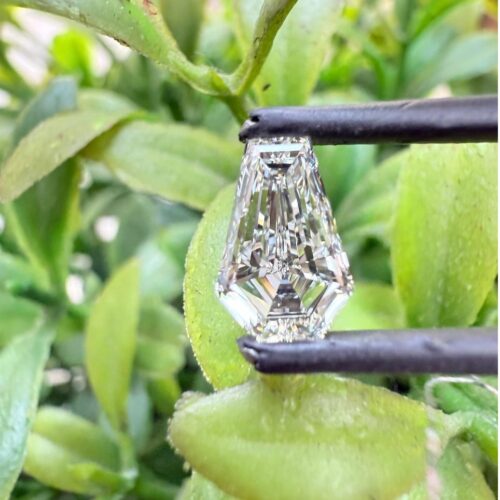
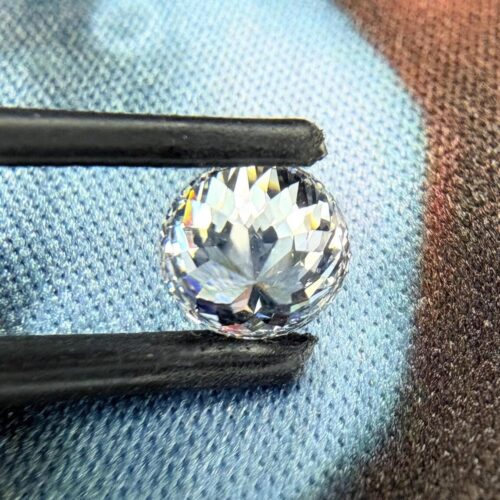
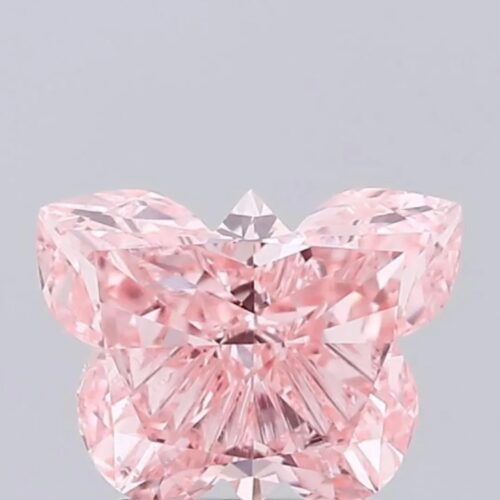
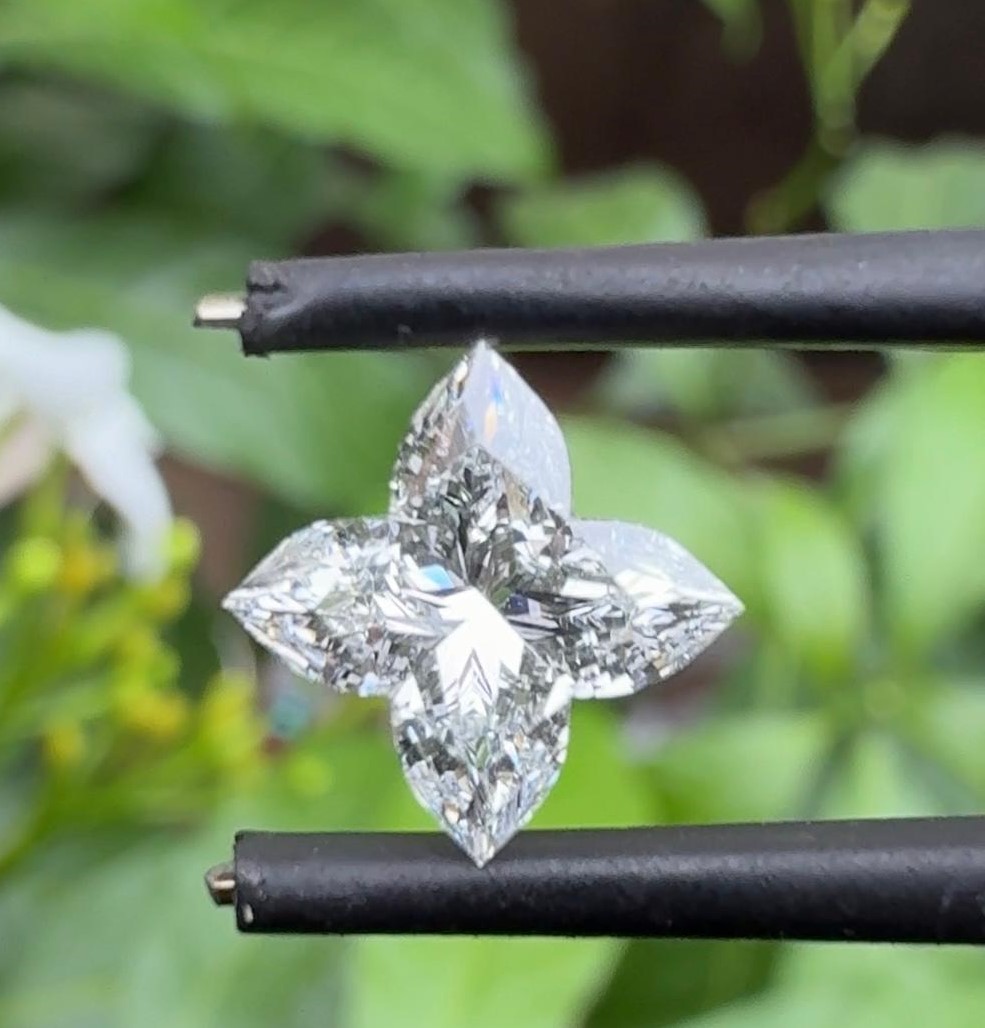
A flower cut diamond represents one of the most sophisticated achievements in modern diamond faceting architecture. By taking natural floral symmetry and applying high-precision lapidary mathematics to lab-grown diamond rough, master diamond cutters produce a distinct loose stone shape optimized for unprecedented light performance. As global demand for ethically synthesized, high-clarity loose lab-grown diamonds accelerates in 2026, LEPDO DIAMONDS leads the lapidary industry by fusing CVD and HPHT crystal growth with robotic laser geometry to produce loose stones of rare purity.
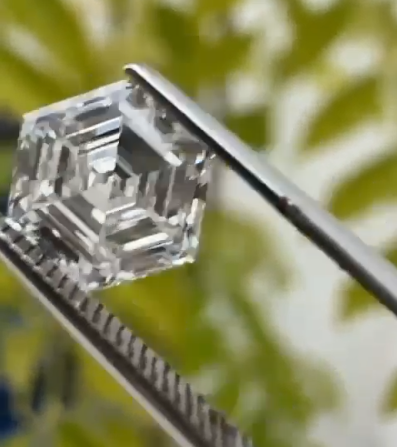
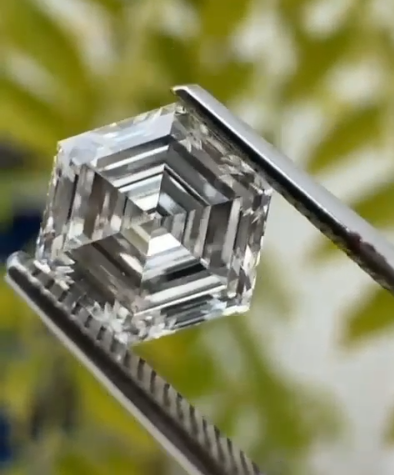
When evaluating a loose flower cut diamond, gemological buyers prioritize crown symmetry, optical purity, and official certification. Each loose piece crafted at LEPDO DIAMONDS features multi-petal faceting calculated to capture ambient light and project maximum internal reflection, outperforming standard fancy shapes while providing an organic botanical profile.
The Gemological Foundation of a Flower Cut Diamond
Selecting a premium loose flower cut diamond requires an in-depth understanding of fundamental grading criteria. At LEPDO DIAMONDS, every loose stone undergoes strict evaluation by the International Gemological Institute (IGI) before entering our inventory.
The 4Cs of a Flower Cut Diamond
1. Color Grade (D to F Colorless Spectrum)
In 2026, high-grade lab-grown loose diamonds must demonstrate absolute optical transparency. Every loose flower cut diamond offered by LEPDO DIAMONDS is grown exclusively within the D, E, and F colorless grades, ensuring zero nitrogen contamination, no brown undertones, and crisp, icy brilliance across all crown facets.
2. Clarity Grade (VS1 to VVS1 Eye-Clean Precision)
Our diamond synthesis technicians choose only high-purity carbon seeds. This ensures your flower cut diamond exhibits an eye-clean interior rated between VS and VVS clarity, free from pinpoints, feathering, or carbon inclusions visible under standard magnification.
3. Cut Proportions & Facet Symmetry
Unlike traditional fancy shapes, a flower cut diamond relies on identical petal facet angles. Each pavilion and crown facet is micro-polished to maximize internal light reflection, driving extraordinary scintillation and colorful fire.
4. Carat Weight Availability
Whether sourcing a delicate 0.50-carat accent gem or a prominent 5.00+ carat centerpiece, LEPDO DIAMONDS provides loose flower cut diamonds across a complete spectrum of carat weights.
Chemical Vapor Deposition (CVD) vs. HPHT Crystal Synthesis
To fully appreciate a loose flower cut diamond, gemologists examine the underlying crystal growth methodology.
Chemical Vapor Deposition (CVD)
CVD growth involves heating hydrocarbon gas mixtures inside a vacuum chamber. Methane and hydrogen break down into carbon atoms, which settle onto a diamond seed layer by layer. This results in Type IIa carbon structures—the purest form of diamond material known to science. A loose flower cut diamond cut from CVD rough exhibits flawless optical clarity and complete structural homogeneity.
High Pressure High Temperature (HPHT)
HPHT technology replicates the natural thermal dynamics of Earth’s mantle, subjecting carbon to pressures above 60,000 atmospheres and temperatures exceeding 2,000 degrees Celsius. This produces dense diamond crystals ideal for faceting sharp, delicate petal edges on a flower cut diamond.
Micro-Faceting & Optical Physics
Light Return and Scintillation Mechanics
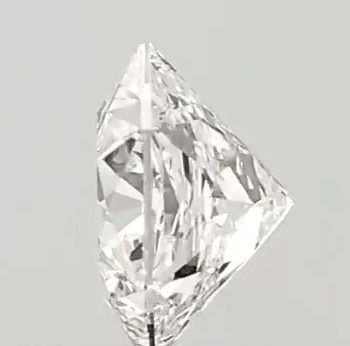
The main objective when faceting a flower cut diamond is optimizing internal total reflection. When light rays enter the crown facets, they pass through the colorless carbon matrix, strike the pavilion facets, and bounce back through the table into the viewer’s eye.
Fire vs. Brilliance in Floral Cut Shapes
Brilliance refers to white light return, while fire refers to the spectral dispersion of light into rainbow colors. A master-cut flower cut diamond strikes an ideal equilibrium, producing intense flash dispersion along the curved outer petal facets.
Petal Symmetry Index (PSI)
LEPDO DIAMONDS implements strict Petal Symmetry Index metrics. Each facet of a flower cut diamond must align within a 0.05-degree tolerance to guarantee uniform light reflection across the stone’s entire perimeter.
Girdle Thickness Calibration
A laser-inscribed, polished girdle ensures structural durability without adding unnecessary hidden carat weight, keeping your loose stone’s face-up area maximized per carat.
Evaluating IGI Certification Reports
Key Sections of an IGI Loose Diamond Certificate
Every loose flower cut diamond from LEPDO DIAMONDS includes a digital and physical IGI certificate.
-
Report Number & Laser Inscription: Unique ID laser-micro scribed directly onto the girdle of the loose diamond.
-
Carat Weight & Dimensions: Precise measurements in millimeters (length, width, depth ratio).
-
Color & Clarity Grades: Independent verification of D-F color and VS-VVS clarity.
-
Cut & Polish Assessment: High ratings for symmetry and surface finish.
Step-by-Step Lapidary Process of a Flower Cut Diamond
Step 1: 3D Crystal Scanning & Rough Selection
Master cutters analyze raw lab-grown carbon crystals using advanced optical scanners. They identify structural growth axes to position the flower cut diamond for maximum carat retention and facet clarity.
Step 2: High-Precision Laser Cleaving
Using ultra-short pulse lasers, the rough crystal is shaped into a preform block. This step outlines the outer botanical points of the flower cut diamond while preventing internal micro-fractures.
Step 3: Facet Blocking and Pavilion Shaping
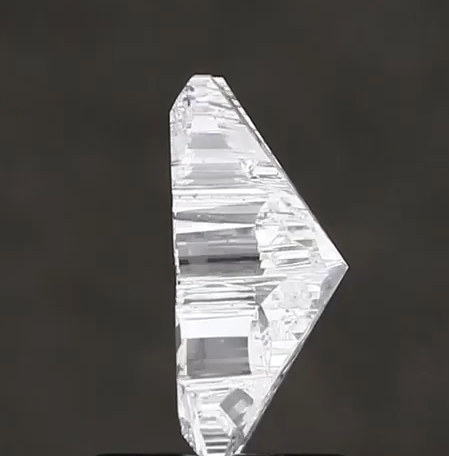
Lapidaries cut the main pavilion facets, establishing the critical pavilion angle (typically 40.6° to 41.0°). This angle prevents light leakage out the bottom of the loose gem.
Step 4: Crown Faceting and Petal Polishing
The top facets are ground and polished on scaife wheels coated with diamond powder. The intricate petal facets of the flower cut diamond are formed during this precise phase.
Step 5: Ultrasonic Cleaning & IGI Grading
After polishing, the loose stone undergoes acid boiling and ultrasonic cleaning before submission to IGI gemologists for final certification.
Related Loose Diamond Shapes & Technical Comparisons
Explore Related Popular Loose Diamond Shapes
To evaluate how a loose flower cut diamond fits into your gemstone collection, compare it with these premier loose lab-grown diamond cuts from LEPDO DIAMONDS:
1. Rose Cut Loose Diamonds
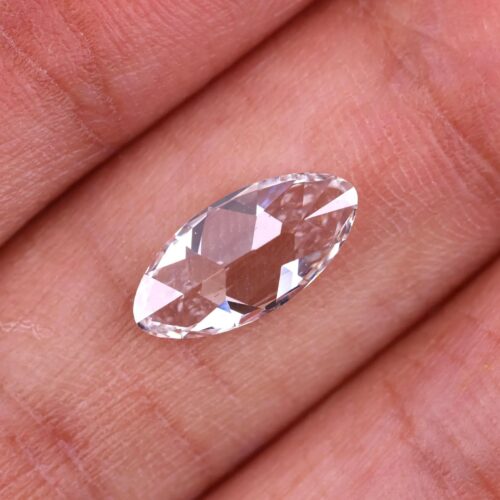
Featuring a flat base and a faceted dome top, rose cut loose diamonds provide a subtle, vintage light performance. Unlike the intense scintillation of a petal shape, rose cuts offer a soft, glass-like transparency that appeals to historical gem collectors.
2. Round Brilliant Cut Loose Diamonds
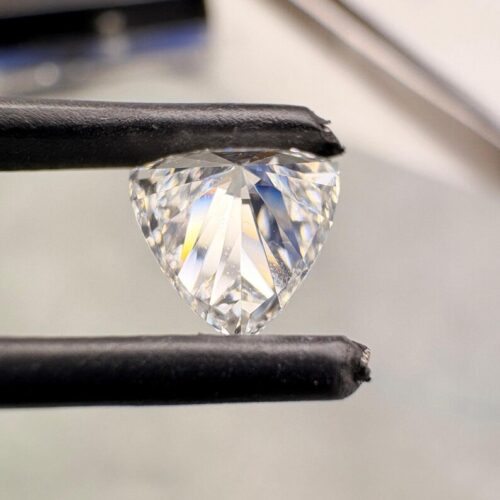
The classic round brilliant cut remains the standard for traditional brightness. While round cuts share high optical efficiency with petal shapes, they lack the distinct botanical outline of petal faceting.
3. Marquise Cut Loose Diamonds
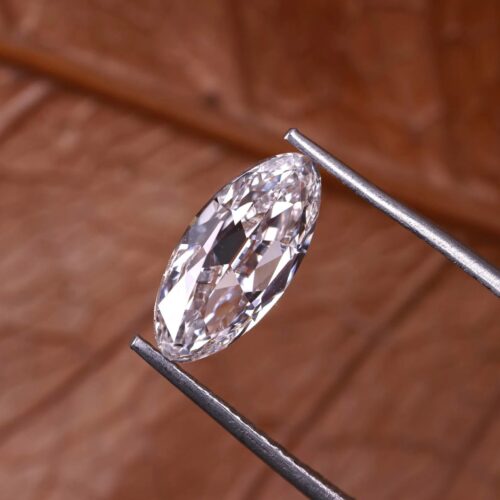
Elongated with sharp points, marquise cut loose diamonds maximize face-up footprint per carat. They offer a slender silhouette that complements the rounded petal geometry of a floral cut.
4. Cushion Cut Loose Diamonds
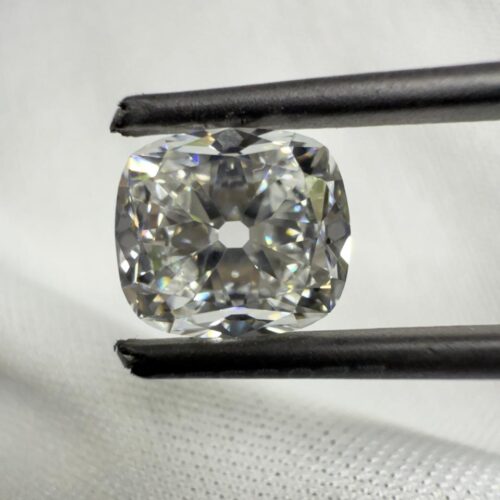
Cushion cut loose diamonds feature soft, rounded corners and deep pavilion proportions. They provide pillow-like visual depth, contrasting with the crisp geometric lines of custom botanical facets.
5. Oval Cut Loose Diamonds
Oval cut diamonds provide extended surface area while maintaining smooth perimeter curves. They offer high light dispersion for collectors who prefer continuous curved profiles over individual petal faceting.
6. Princess Cut Loose Diamonds
Square-shaped princess cut diamonds feature sharp 90-degree corners and intricate cross-brilliant faceting. They offer a geometric alternative to soft organic silhouettes.
In-Depth Technical Analysis of Loose Diamond Optics
Total Internal Reflection and Refractive Index
A loose flower cut diamond relies entirely on the inherent physical properties of carbon crystal. With a high refractive index of 2.417 and a low dispersion rating of 0.044, loose Type IIa carbon manipulates incoming light rays with mathematical efficiency. When light enters through the multi-petaled crown facets, it travels through the optical core to the pavilion facets. If the pavilion angles are cut at precisely 40.7 degrees, the light experiences total internal reflection, bouncing back through the crown and producing intense scintillation.
Table Percentage and Crown Angle Balance
The optical balance of a loose flower cut diamond depends on the relationship between table percentage and crown angle.
Table Percentage Standards (53% to 58%)
A table percentage within 53% to 58% ensures that the central flat surface does not swallow light or flatten the stone’s upper profile. This allows the surrounding petal facets to catch light from oblique angles, creating dynamic sparkle patterns as the loose stone rotates under directional lighting.
Crown Angle Alignment (34.0° to 35.5°)
Maintaining crown angles between 34.0° and 35.5° allows petal facets to act as individual prisms. This breaks white light into its constituent spectral colors, producing flashes of red, blue, and green fire.
Advanced Synthetic Gemology: CVD vs. HPHT Characteristics in Loose Stones
Type IIa Diamond Classification
Every loose lab-grown gem produced by LEPDO DIAMONDS belongs to the Type IIa gem classification. Type IIa diamonds contain no measurable nitrogen or boron impurities, representing less than 2% of naturally mined diamonds, yet forming 100% of our premium lab-grown inventory. This absolute carbon purity translates to unparalleled transparency, ensuring that your loose gem absorbs zero ambient color and radiates pure white light.
Strain Patterns and Photoluminescence Analysis
During quality assurance, each loose stone undergoes polariscope and photoluminescence testing. Advanced polarimetry allows our gemologists to examine internal lattice strain. By controlling plasma density during CVD growth and temperature gradient stability during HPHT processing, LEPDO DIAMONDS eliminates internal strain lines. As a result, every loose gem exhibits crisp visual clarity without any internal haze or strain-induced distortion.
Comprehensive Buying Guide for Loose Diamond Collectors
Selecting the Right Carat Weight to Visual Footprint Ratio
When purchasing a loose flower cut diamond, understanding the relationship between carat weight and millimeter footprint is essential. Because carat weight measures mass rather than surface area, facet proportions dictate how large the loose stone appears from a top-down view.
-
1.00 Carat Range: Typically measures approximately 6.5 mm in diameter, providing a balanced visual size with rich petal detail.
-
2.00 Carat Range: Measures around 8.1 mm, offering enhanced facet depth and pronounced edge definition along each petal contour.
-
3.00 Carat and Above: Exceeds 9.0 mm, maximizing the optical display of internal reflection and making the stone a dominant centerpiece for high-end loose collections.
Care, Maintenance, and Loose Gem Storage
Preserving Optical Purity
Loose diamonds can collect dust, fingerprints, and ambient oils during handling. To keep your loose gem performing at its optical peak:
-
Ultrasonic Cleaning: Safe for unmounted Type IIa lab-grown stones without filled cavities.
-
Steam Cleaning: Removes residual oils from narrow facet junctions.
-
Microfiber Wiping: Use lint-free optical cloths when inspecting your loose stone under a loupe.
Storage Guidelines for Loose Gemstone Collectors
-
Store each loose stone in an individual gem paper or padded display box.
-
Avoid storing multiple loose diamonds in a single container, as diamond-on-diamond contact can scratch surface facet edges.
-
Maintain stable ambient temperatures and avoid exposure to harsh industrial chemicals.
Frequently Asked Questions (FAQs)
Q1: What makes a flower cut diamond unique compared to standard loose diamond shapes?
A flower cut diamond features a specialized facet layout patterned after flower petals. This geometric design combines the intense light refraction of a brilliant cut with a distinct botanical outline, making it a standout choice for loose gemstone collectors.
Q2: Are LEPDO DIAMONDS loose flower cut lab-grown diamonds fully certified?
Yes. Every loose flower cut diamond from LEPDO DIAMONDS includes an official IGI grading report detailing exact carat weight, D-F color grade, VS-VVS clarity rating, cut proportions, and girdle laser inscription.
Q3: How does a floral cut compare to a round brilliant cut diamond in light return?
While a round brilliant cut maximizes pure white light return across 57-58 standard facets, a petal cut distributes light across intricate outer facets, producing enhanced color flash and unique scintillation patterns.
Q4: Is a lab-grown diamond physically identical to a mined diamond?
Yes. A lab-grown diamond shares the exact chemical composition (pure carbon lattice), crystal structure, optical properties, and hardness (10 on the Mohs scale) as a mined diamond.
Q5: What clarity grade is best when selecting a loose flower cut diamond?
We recommend choosing a loose stone with VS2 clarity or higher. Because crown facets on a floral cut provide wide visual access into the stone, VS1 to VVS1 clarity grades ensure complete eye-clean transparency.
Q6: Can I buy a loose stone for custom mounting later?
Yes. Sourcing a loose gem allows buyers and custom designers to verify stone proportions, inspect facet symmetry, and confirm IGI certification before making any mounting decisions.
Q7: Does a floral cut show light leakage along the petal edges?
No. When faceted to LEPDO DIAMONDS precision standards, the pavilion angles beneath the petal facets are strictly calibrated to prevent light leakage, ensuring light bounces back through the top of the loose gem.
Q8: What color grade is recommended for maximum brilliance in a loose flower cut diamond?
We recommend choosing D, E, or F colorless grades for a flower cut diamond. Because petal cuts have multiple faceting angles, colorless grades ensure the stone reflects pure, crisp white light without any warm undertones.
Q9: How do flower cut lab-grown diamonds fit into the broader selection of unique cut diamonds at LEPDO DIAMONDS?
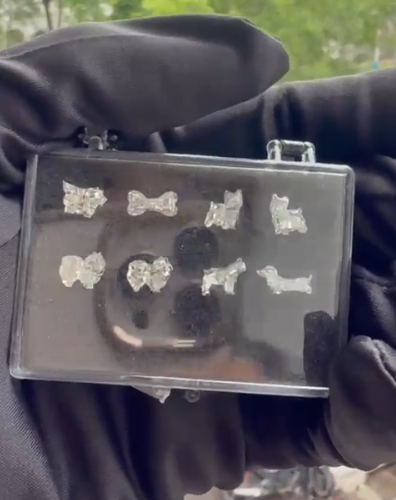
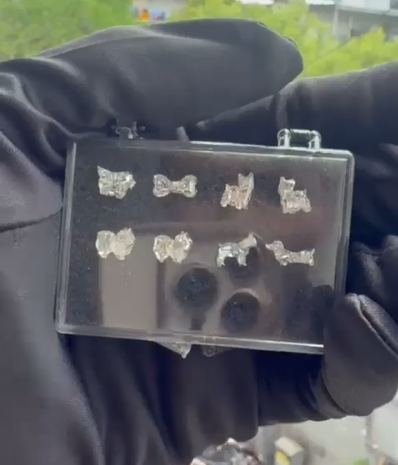
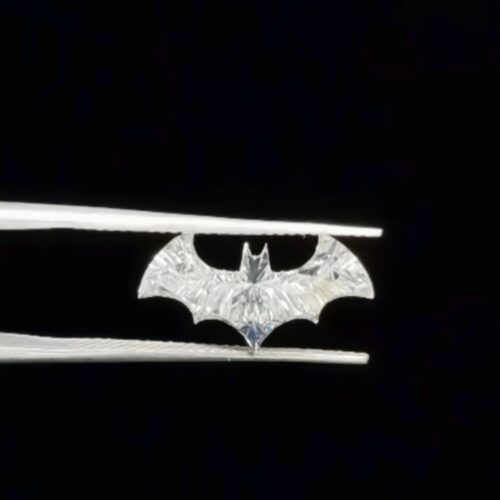
A flower cut diamond represents one of the most distinctive profiles within our catalog of unique cut diamonds. While traditional brilliant shapes prioritize classic symmetry, our unique cut diamonds collection focuses on specialty lapidary architecture, custom facet arrangements, and individual geometric profiles. Sourcing a loose floral shape allows gem collectors to own a rare, high-clarity lab-grown centerpiece that stands out from standard commercial stone cuts.
Q10: Why choose loose unique cut diamonds over standard commercial diamond shapes for custom designs?
Selecting loose unique cut diamonds—such as flower cuts, rose cuts, or specialized cushion shapes—gives custom jewelry designers and gem buyers total creative freedom. Our loose unique cut diamonds showcase rare carbon lattice symmetry, D-F colorless optical purity, and verified IGI certification. Sourcing loose specialty stones ensures you inspect facet alignment, light reflection, and internal clarity under magnification before incorporating the gem into any personal collection or bespoke mounting project.