
Imagine a diamond that glows with a soft, ethereal light rather than the traditional sharp sparkle. Fancy white diamonds – often described as opalescent or milky – bring exactly that unique charm to bespoke jewelry designs. These rare gems defy the usual notion of a “white” diamond. Unlike classic colorless diamonds, which owe their beauty to crystal-clear transparency, fancy white diamonds owe their allure to submicroscopic inclusions that scatter light internally. The result is a gentle, snow-like glow that can make any custom piece feel dreamy and distinctive.
In the competitive U.S. luxury market – where diamond manufacturers, jewelers, and discerning buyers seek fresh inspiration – fancy white diamonds have emerged as a perfect creative resource. Their unusual appearance inspires one-of-a-kind custom designs that stand out. As Brian Gavin Diamonds notes, these stones are “entirely different” from colorless counterparts: instead of brilliant sparkle, fancy white diamonds display an “ethereal whiteness” that is itself an extremely rare, endearing quality. In short, a fancy white diamond lends a bespoke piece a mystique that no ordinary stone can match.
What Is a Fancy White Diamond?
At first glance, the term white diamond sounds redundant – aren’t all diamonds colorless and white? In gemological terms, most “white” diamonds in jewelry are actually colorless (graded D-F) and prized for their clearness. Fancy white diamonds (sometimes called opalescent diamonds), however, occupy a totally different category. They’re graded as “fancy color” because they literally look white. Their signature milky, translucent color comes not from trace elements but from countless microscopic inclusions trapped in the crystal lattice. These inclusions scatter light in all directions, creating a soft glow from within.
- Unique glow: Unlike transparent gems that flash bright sparkles, fancy white diamonds have a gentle “mist-like glow.” The light scattering due to nano-sized inclusions gives each stone a soft, snowy white effect. Some describe it as a subtle blue or opal-like shimmer.
- Natural phenomenon: This milky appearance is entirely natural and permanent – these diamonds don’t need any treatment or coating to look white. In fact, reputable sellers stress that no enhancements are used, since the white color is present right from the earth. Each fancy white diamond is essentially a one-of-a-kind opalescent masterpiece.
- Fancy-color classification: Gemologists classify fancy white diamonds as one of the rarest fancy color diamonds. The color comes from inclusions rather than atomic impurities, setting them apart from yellow, pink, or blue fancy diamonds. As a result, a fancy white stone is graded simply “Fancy White” by GIA – there’s no “vivid” or “fancy light” grade, just the luxurious white hue itself.
How Fancy White Differs from Colorless and Black Diamonds
To appreciate fancy white diamonds, it helps to compare them with their better-known relatives:
| Feature | Fancy White Diamond | Colorless (D-F) Diamond | Fancy Black Diamond |
|---|---|---|---|
| Appearance | Milky-white or opalescent glow, soft diffused light | Completely transparent, crisp brilliance and fire | Opaque black or charcoal, matte or metallic sheen |
| Color Origin | Dense clouds of nano-inclusions that scatter light | Virtually no color-causing elements (pure carbon lattice) | Inclusions of carbon (graphite, graphite platelets) or treated surface |
| Rarity (GIA stats) | Extremely rare (< 2,000 white+black graded since 2008) | Common (millions graded yearly), most on market | Also very rare (fewer than 2,000 white+black) |
| Grading Notes | Graded only by “Fancy White” category, transparency levels noted | Graded on D-Z scale (value increases as colorlessness improves) | Graded “Fancy Black” (often ID&O report) |
| Look in Jewelry | Soft, dreamy effect; best appreciated in person | Sparkling, fiery brilliance; classic engagement look | Bold contrast, often used in black-and-white patterns |
Both colorless and fancy white diamonds might appear white at first, but gemology distinguishes them clearly: colorless gems derive their “white” shine from total clarity, whereas fancy whites are white because they internally diffuse light. And like their black counterparts, fancy whites are bewilderingly rare – “among the one in 10,000 stones that can be graded as fancy color,” according to diamond experts. In fact, white diamonds (both fancy white and black) are almost always type IaB, meaning they formed deep in Earth’s mantle. This extreme rarity and unique formation give them an exclusive cachet that few designers can resist.
The Allure of Fancy White Diamonds
A faceted fancy white diamond (asscher cut) glows with a ghostly milky white brilliance rather than clear sparkle.
Fancy white diamonds’ defining trait is their opalescent appearance. Instead of sharp flashes, they cast a subtle, opal-like glow across the surface of the gem. Langerman Diamonds, a dealer of natural white gems, likens this to the effect seen in opals – a soft diffused light and gentle play-of-color. One industry expert poetically notes that these diamonds emit a “mist-like glow” that’s “completely unique to this type of diamond.”
This dreamy quality can be leveraged for different aesthetic effects:
- Soft Elegance: In bridal jewelry or classic pendants, a fancy white diamond adds a hint of romance. Its tender glow suggests purity and ethereal beauty – an appeal Langerman mentions as perfect for those who want to “stand out with a piece that’s both rare and visually unique”.
- Modern Contrast: Paired with sharp geometric settings, a milky diamond can create a striking contrast. Think a halo of sparkling smaller diamonds around a milky oval center – the result is eye-catching and modern. This idea plays on the “soft vs. crisp” dichotomy: a designer might set a fancy white in a sleek bezel or a bold mixed-metal mount to highlight its unusual color.
- Playful Hue Accents: Subtle secondary hues (blues, pinks, yellows) may swim beneath the milky surface. As Langerman notes, some fancy whites show faint tints of blue, pink or yellow, adding to their visual charm. A creative designer can pair these tiny overtones with complementary gems (e.g. a pale pink sapphire accent) to “bring out” that hint of color.
In every case, the goal is to celebrate the stone’s unique luminosity. The milky whiteness becomes the centerpiece, not a flaw. Jewelry-makers often describe the effect as almost spiritual or “angelic” – a perfect fit for couples wanting an engagement ring that’s truly unlike any other.
Advantages of Fancy White Diamonds in Custom Designs
Why specifically are fancy white diamond stones perfect for custom jewelry designs? Here are key advantages:
- Uniqueness & Storytelling: No two fancy white diamonds look exactly alike, due to the random patterns of inclusions. This one-of-a-kind nature aligns perfectly with bespoke jewelry, where exclusivity is paramount. A customer can own a truly singular piece – an alluring selling point for brands and retailers.
- Design Versatility: Fancy white stones pair well with any metal or additional gemstones. Their neutral base means they look stunning in cool platinum as well as warm rose gold. They also contrast beautifully with colored gems. For example, a fancy white diamond paired with small black diamonds creates a bold “black-and-white” motif, while the same white paired with champagne or brown accents yields a vintage, Art Deco flair.
- Subdued Brilliance for New Trends: Some modern clients prefer subtle elegance over overt sparkle. Fancy white diamonds cater to this trend: they don’t compete with clothing for attention, making them suitable for minimalist or everyday luxury pieces. As one jeweler observes, Gen Z and millennial brides are increasingly open to “warmer tone” and non-traditional stones, so a misty white diamond is right in vogue.
- Rarity as Luxury: There’s a marketing edge in rarity. Only about 82% of fancy whites are type IaB and most are sublithospheric, meaning they form 150+ miles underground. Fewer than 2,000 white (plus black) diamonds have even been graded by GIA since 2008. This scarcity can justify premium pricing and attract collectors. Langerman notes that “fancy white diamonds are among the rarest types of diamonds, and their scarcity can drive up their value”.
- Natural & Ethical Appeal: Unlike some colorless stones that are clarified via cutting, fancy whites are 100% natural color. No irradiation or high-pressure treatment is needed – the stone emerges from the ground with its milky hue. For luxury consumers who care about authenticity, this can be a selling point: a purely natural color, formed over eons, embodies sustainable rarity.
- Flexible Grading Concerns: Interestingly, standard clarity isn’t as crucial for fancy whites as it is for colorless diamonds. Because inclusions are what create the “look,” a fancy white can appear beautiful even if it’s I1 or SI2 clarity. This often makes larger carat sizes more affordable, or simply allows designers to use stones that would be dismissed in colorless grading. The Brian Gavin team even recommends prioritizing a uniform milky appearance over high clarity.
Integrating Fancy White Diamonds into Jewelry
The true magic happens when these stones are set into unique designs. Jewelers should consider a few guidelines:
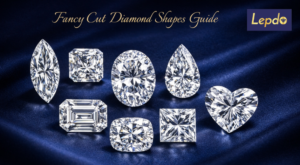
- Shapes and Cuts: Fancy white diamonds come in all cuts – rounds, ovals, pears, cushions, and unusual fancy shapes (marquise, radiant, etc.). Each cut plays differently with light. For instance, an oval or marquise shape elongates the stone, spreading its glow over a larger area. A briolette or cabochon cut (though rare for diamonds) could further accentuate the soft glow. Many designers explore Fancy Shape Diamonds and Unique Cut Diamonds in their collections. These exotic silhouettes can amplify the stone’s mystery. (For example, Leibish’s collection features fancy white ovals and pears specifically highlighted for pendants and rings.)
- Metal Settings: To best showcase the soft white color, consider contrasting metals. Platinum or white gold settings can make the stone appear as a pure cloud, while rose or yellow gold adds warmth that can play off any subtle color overtones in the diamond. A halo of tiny sparkling diamonds around a fancy white center stone is also effective – it accentuates the gentle glow by contrast. Because fancy white diamonds aren’t crisp, designers often use simpler settings (like bezel or tension mounts) that complement without overshadowing the gem’s diffuse light.
- Pairing with Other Stones: Fancy white diamonds work beautifully in black-and-white combos. A black diamond accent band with a fancy white solitaire makes a dramatic duo. Even regular colorless diamonds set alongside can highlight the milky one’s difference. Some luxury designers (like Sylva & Cie) even feature fancy white diamonds set between colored stones. The embedded image below shows rings that mix white and opaque white gems for a layered, textured effect.
- Use in Custom Orders: Many custom jewelers encourage clients to design around their chosen fancy white diamond. This stone demands to be the hero. Its opalescent glow complements solitaire settings, but it can also fit well in cluster rings, pendants, or even men’s jewelry that values unique texture. Brian Gavin Diamonds reports that customers feel “welcome to design a customized ring or other jewelry piece featuring a fancy white diamond” – underlining how these gems lend themselves to personalization.
Market Trends and Buyer Insights
For U.S. manufacturers, wholesalers, and retailers, fancy white diamonds tick both commercial and emotional boxes:
- Rising Search Interest: While still a niche, interest in terms like “white diamond gemstone” and “diamond black and white” is growing. The SEO keyword data shows significant volume for related terms (e.g. 3,100 monthly searches for “white diamonds”, 590 for “black and white diamond”). Savvy marketers can capitalize on this interest by crafting content (like this article!) that educates buyers on the difference between “white” (colorless) and “Fancy White” diamonds.
- Appealing to Younger Demographics: Millennials and Gen Z, who now account for a big slice of engagement ring buyers, often seek non-traditional stones. Articles from industry sources note that these groups have been open to bolder colors and new designs. Fancy white diamonds, with their warm glow, fit nicely into this trend. They offer a “hidden gem” appeal – famous personalities like Jennifer Lopez and Scarlett Johansson have popularized colored diamonds on engagement rings, blurring strict traditions. As consumers become more adventurous, fancy white diamonds provide a fresh yet elegant option.
- Ethical Sourcing Angle: Many customers ask about origin and ethics. Brokers highlight that major producers of white diamonds include South Africa, Botswana, and Canada. Canada, for example, is often associated with ethical mining practices. Marketing fancy white diamonds as 100% natural, conflict-free gems with unique origins can reinforce trust and desirability in luxury markets.
- Value Proposition: Because of their rarity, fancy white diamonds often hold value well. Specialty jewelers advise that “white diamonds with exceptional opalescence and clarity… tend to command higher prices”. However, because high clarity isn’t essential, custom designers can often offer larger fancy white stones at price points competitive with higher-clarity colorless diamonds. This balance of exclusivity and attainable pricing can be a strong selling point in B2B pitches or consumer consultations.
Conclusion
Fancy white diamonds are a captivating option for any custom design project. Their milky white color and soft glow lend an exclusive, romantic quality that simply cannot be replicated with ordinary clear stones. These gems bridge the gap between tradition and innovation, honoring the diamond’s heritage while offering something utterly fresh. In summary:
- Distinctive Look: Unlike classic diamonds, fancy white stones offer a rare opalescent effect.
- Design Versatility: They pair well with any metal and complement other stones (think black-white contrasts or warm rose-gold settings).
- Rarity & Value: Extremely rare, they can elevate a piece from custom to collectible.
- Customization Goldmine: Their uniqueness invites creative, one-of-a-kind designs. Whether in an engagement ring, pendant, or statement necklace, a fancy white diamond turns heads and starts conversations.
Now is the time to explore these extraordinary diamonds for your next custom piece. Contact us today to discuss your vision or get a personalized quote. Our team of diamond specialists is ready to guide you through selecting the perfect fancy white gemstone, shape, and setting. Bring your custom design to life with a diamond that truly shines in its own way!
FAQs
Q1: What is a fancy white diamond?
A fancy white diamond is a naturally occurring diamond with a unique milky or opalescent white color, caused by microscopic inclusions that scatter light inside the stone. Unlike standard white (colorless) diamonds graded for transparency, fancy white diamonds are graded in the fancy color category due to their actual white hue. Each fancy white diamond is essentially a one-of-a-kind gem with a gentle “mist-like” glow.
Q2: How are fancy white diamonds different from colorless diamonds?
Colorless diamonds (D-F on the GIA color scale) appear clear because they lack color-causing atoms. Fancy white diamonds look white because they have tiny inclusions that diffuse light. In practice, a colorless diamond sparkles sharply, while a fancy white diamond gives off an opalescent glow. Think of it as the difference between clear glass (colorless diamond) and frosted glass (fancy white diamond).
Q3: Are fancy white diamonds rare?
Yes. Only a handful of such stones reach the market. The Gemological Institute of America (GIA) has recorded fewer than 2,000 combined fancy white and fancy black diamonds since 2008. Fancy white diamonds are among the rarest fancy color diamonds in the world. Their scarcity makes them a luxurious choice – and often a higher-value one.
Q4: Can I use a fancy white diamond in an engagement ring or custom jewelry?
Absolutely. Fancy white diamonds are popular for engagement rings, pendants, and bespoke pieces. Their unique ethereal beauty makes any design stand out. Many jewelers specialize in custom work with these stones. In fact, a fancy white solitaire engagement ring is a distinctive alternative to a traditional clear diamond ring.
Q5: Do fancy white diamonds come in different shapes or cuts?
Yes, you can find fancy white diamonds in virtually any cut – round, oval, pear, marquise, and more. Each shape interacts differently with the stone’s internal light-scattering. For especially creative designs, consider Fancy Shape Diamonds or Unique Cut Diamonds. These specialized cuts can amplify the milky glow. As examples, ovals and pears often showcase a broad expanse of the white hue, while heart shapes can give a romantic diffusion of light.
Q6: How should I care for a fancy white diamond?
Treat it as you would any diamond – with gentle cleaning and regular inspections. The hardness of diamond means fancy whites are durable (Mohs hardness 10). But like all diamonds, they should be cleaned periodically to maintain brilliance (even if their look is softer). Routine check-ups by a jeweler ensure settings are secure. There’s no special care needed for the stone’s color – it’s permanent and natural.
Q7: Are fancy white diamonds real “gemstones”?
Absolutely. A diamond is by definition a gemstone, and fancy white diamonds are no exception. They are 100% natural diamonds (no composite or coating) with a fancy color attribute. Because of this authenticity, they often carry higher price tags relative to clarity-classified diamonds of similar size.
Q8: How much do fancy white diamonds cost?
Pricing varies widely, depending on carat, cut, and the consistency of the white appearance. Generally, expect to pay a premium for larger sizes or particularly vivid opalescence. For perspective, their market trend is similar to other rare fancy diamonds: demand outstrips supply, which can drive prices up. Consult a specialist (like Lepdo’s diamond experts) for a precise quote.