Important and Fundamental Information About Fancy Color Diamonds
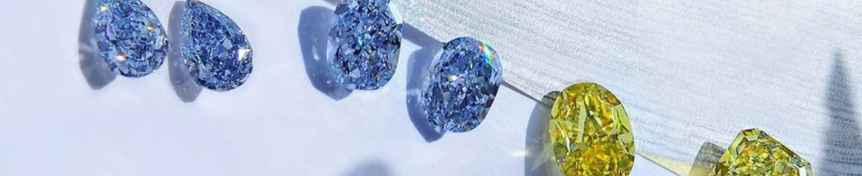
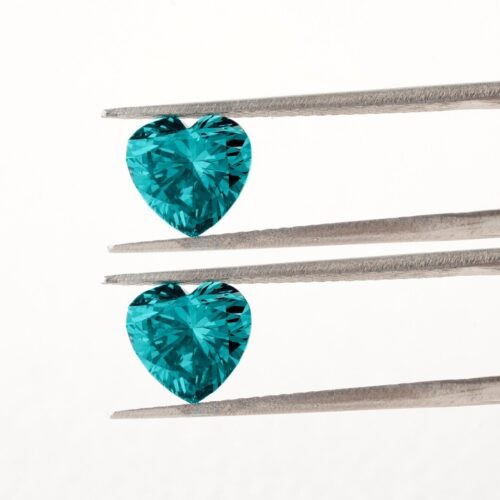
Fancy color diamonds represent the pinnacle of gemological luxury, natural art, and advanced technological synthesis in 2026. Unlike traditional colorless stones, which are valued for the complete absence of hue, these gems are celebrated for their rich, distinctive, and vibrant body colors. These mesmerizing gemstones occur across a spectacular spectrum, including yellow, pink, blue, green, orange, purple, red, and brown. Built with the exact same carbon crystal structure as standard diamonds, these cultivated creations display extreme physical durability, high refractive fire, and an unmistakable optical presence. For trade jewelers, private collectors, and discerning buyers seeking direct factory transparency and verified origin, LEPDO DIAMONDS delivers exceptional cultivated gemstones crafted to international standards.
Understanding the origin of color in these gems highlights the remarkable physics involved in their creation. In natural earth-mined gems, vivid color is caused by structural lattice distortions, natural radiation exposure, or trace element inclusions such as nitrogen or boron during millions of years under extreme mantle pressure. In modern laboratory environments, chemical vapor deposition (CVD) plasma technology replicates these precise atomic disruptions. By introducing controlled trace elements and specialized post-growth optical treatments, lab-created gems achieve intense, permanent color saturation with supreme crystal purity.
Color Grading Principles and Gemological Standards
Evaluating fancy color diamonds requires a fundamentally different approach compared to traditional colorless diamonds. While white diamonds are graded on a scale from D to Z based on the absence of color, these stones are graded primarily on the intensity, hue purity, and visual saturation of their color. Independent gemological laboratories evaluate these gems across nine distinct saturation grades: Faint, Very Light, Light, Fancy Light, Fancy, Fancy Intense, Fancy Vivid, Fancy Deep, and Fancy Dark.
Chemical Vapor Deposition Growth Principles
The chemical purity of fancy color diamonds directly influences their visual classification and optical behavior. Gemologists categorize diamonds into distinct physical types based on atomic composition. Type I diamonds contain nitrogen impurities, producing classic canary yellow, champagne, and warm orange hues. Type IIa diamonds represent pure carbon structures with virtually no nitrogen, often producing exquisite pink, purple, or brown tones through atomic lattice shear. Type IIb diamonds incorporate boron atoms into the lattice, creating rare steel-blue and deep azure hues.
Sustainable Manufacturing and Supply Chain Ethics
Choosing laboratory-cultivated fancy color diamonds guarantees absolute supply chain transparency and environmental accountability in 2026. Traditional earth mining for colored stones requires massive geological excavation, heavy equipment fuel consumption, and significant land alteration due to the extreme natural rarity of these gems. In contrast, advanced CVD laboratory cultivation takes place inside controlled plasma reactors powered by sustainable energy management. Every gem produced via this method is 100% conflict-free and fully traceable back to its originating facility in Surat, Gujarat.
Global Market Expansion and Commercial Demand
Market demand for these lab-cultivated gemstones has experienced unprecedented growth across major international luxury hubs in 2026, including London, New York, Dubai, Hong Kong, and Tokyo. Modern fine jewelry consumers increasingly seek unique, expressive gemstones that reflect personal style rather than conventional design choices. By making regal yellow, vivid pink, and mesmerizing green hues accessible without prohibitive natural rarity markups, laboratory cultivation has democratized access to high-end colored diamond jewelry.
Furthermore, fancy color diamonds possess exceptional physical resilience suitable for daily wear across generations. Rating 10 on the Mohs scale of mineral hardness, these stones resist surface scratching, chemical abrasion, and ambient environmental degradation. Luxury jewelry designers can confidently set these stones into complex mountings, including micro-pave bands, flush mounts, three-stone arrangements, and heavy bezel mountings with full assurance of structural integrity.
The chemical vapor deposition technique ensures that synthesized fancy color diamonds exhibit uniform color distribution throughout the crystal lattice. Mined colored diamonds frequently exhibit uneven color zoning, dark carbon spots, or internal graining that impairs light refraction. In contrast, controlled laboratory synthesis produces clean atomic growth, allowing light to travel effortlessly through the crown facets to unleash maximum brilliance, fire, and colorful scintillation.
Wholesale trade buyers purchasing fancy color diamonds benefit from unmatched parcel consistency and predictable pricing structures in 2026. Traditional mined gemstone lots are notoriously inconsistent, making it difficult for manufacturers to match pairs for earrings or build uniform multi-stone tennis bracelets. Laboratory cultivation enables suppliers to offer calibrated parcels with matching hue saturation, standardized millimeter dimensions, and verified clarity profiles.
In summary, fancy color diamonds have established a dynamic new standard for conscious luxury and creative jewelry design. Combining verified scientific authenticity, complete ethical transparency, direct factory pricing, and mesmerizing visual beauty, these cultivated gemstones allow jewelry artisans and consumers to create timeless heirloom pieces without compromise.
The production efficiency of modern laboratory facilities has revolutionized how high-end colored gemstones are distributed across international commerce channels in 2026. Rather than waiting for unpredictable mining discoveries, suppliers can systematically forecast production yields of gem-quality synthetic rough crystal. This reliable supply chain structure stabilized prices across wholesale markets, allowing fine jewelry manufacturers to run consistent seasonal collections without fear of sudden raw material shortages or extreme price volatility.
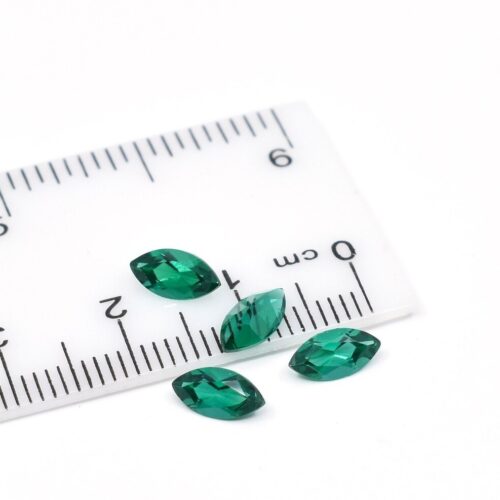
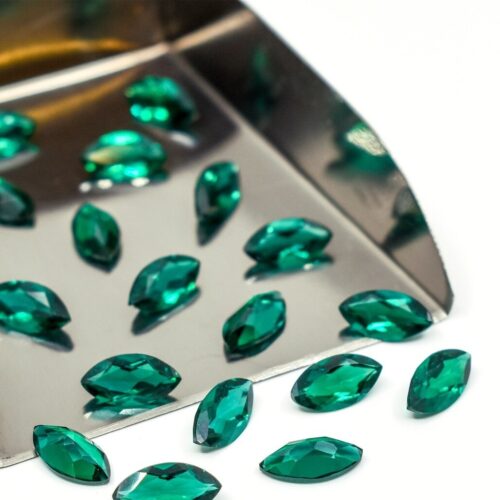
Furthermore, gemological research into gas composition during plasma growth has refined the specific color hues achievable in laboratory environments. Micro-adjustments in atmospheric composition produce subtle variations ranging from light minty hues to intense forest tones, giving buyers unprecedented options when designing bespoke jewelry pieces. Advanced optical spectroscopy confirms that these synthesized green and pink gems maintain complete color stability under high warmth and routine jewelry maintenance processes.
As sustainable luxury transitions from a niche preference to a dominant market standard in 2026, synthetic gems occupy a uniquely influential space in contemporary jewelry retail. Younger consumers, in particular, favor gemstones that combine futuristic science with ethical accountability, viewing lab-grown colored diamonds as symbols of innovation and modern style. This shift in buyer demographics has encouraged top retail brands to expand their lab-created offerings significantly.
When analyzing optical performance, green and pink lab-created diamonds exhibit identical dispersion and refraction metrics to their mined counterparts. Light entering the top crown facets splits into vivid spectral colors, producing fire and brilliance that rival any naturally occurring diamond. This optical identity ensures that lab-grown colored gems integrate seamlessly alongside colorless diamonds in complex halo, pave, or cluster ring designs without visual disharmony.
The technological advancements in plasma reactor design continue to lower operational costs while elevating output quality across leading manufacturing hubs in Gujarat in 2026. Continuous monitoring of gas purity and temperature distribution prevents structural stress during the multi-week growing phase. This precise control results in raw diamond crystals that require minimal post-growth heating to achieve desired clarity grades. Furthermore, local cutting and polishing artisans utilize advanced three-dimensional laser mapping to maximize carat yield while preserving ideal light refraction proportions.
Retail inventory management becomes significantly more efficient when working with lab-created colored gemstones. Jewelry brands can offer full customized design services with predictable delivery timelines, replacing the traditional delays associated with searching global wholesale markets for rare natural colored stones. By providing standardized grading reports and consistent color spectrum options, suppliers allow online and brick-and-mortar jewelers to present transparent options to end consumers.
Understanding light performance in lab-grown colored gemstones involves evaluating how light rays interact with internal atomic boundaries. Advanced ray-tracing simulations enable master cutters to predict light paths before making the first cut on a synthetic rough crystal. This precision ensures that every stone achieves optimal sparkle while maintaining rich body color concentration across its upper crown facets.
Furthermore, international trade associations have established standardized terminology for marketing lab-created colored gemstones. Transparent disclosure of growth origin and color treatment methods builds consumer confidence across e-commerce platforms and retail stores. Jewelers who provide comprehensive origin certificates and educational materials foster strong customer loyalty and long-term brand equity.
Quality assurance protocols in modern CVD facilities involve multi-stage spectral testing at every phase of production. Laser diffraction spectroscopy checks crystal lattice orientation before slicing rough blocks into individual gemstone preforms. This non-destructive testing guarantees that each finished gem possesses maximum structural stability, preventing cleavage risks during setting.
Popular Types, Cut Shapes, and Reference Product Categories
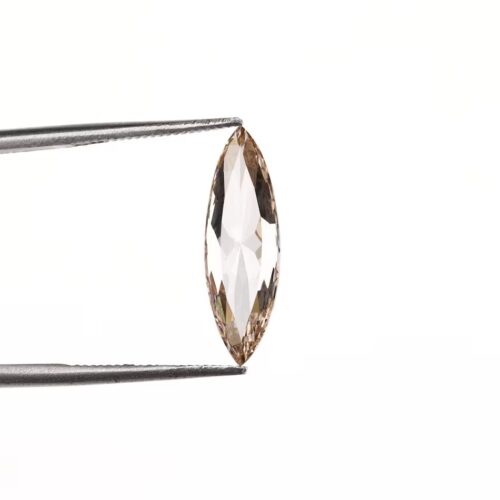
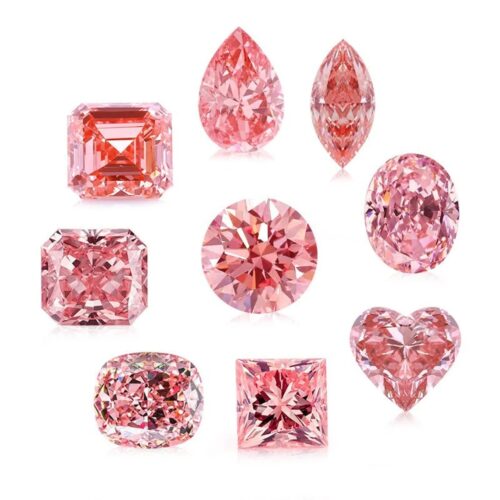
Fancy color diamonds are available across a magnificent array of cut geometries, color hues, setting styles, and reference product categories in 2026. Choosing the right combination of cut shape and metal setting is vital, as different faceting arrangements interact with light to amplify or soften body color saturation.
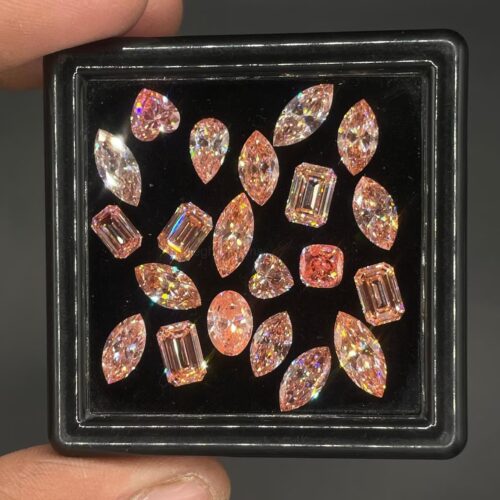
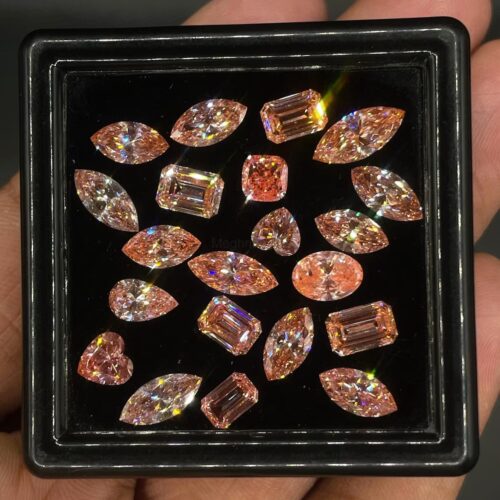
Wholesale Pink Lab-Grown Diamond Lot
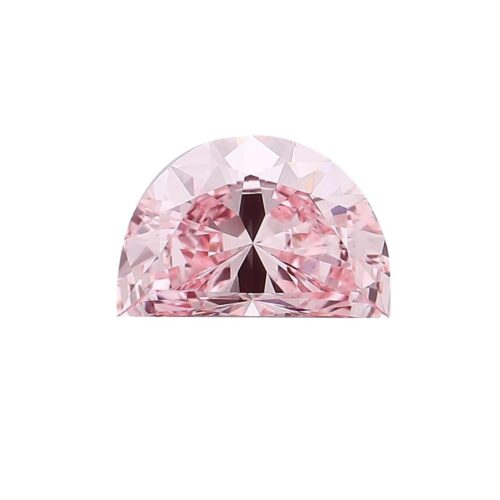
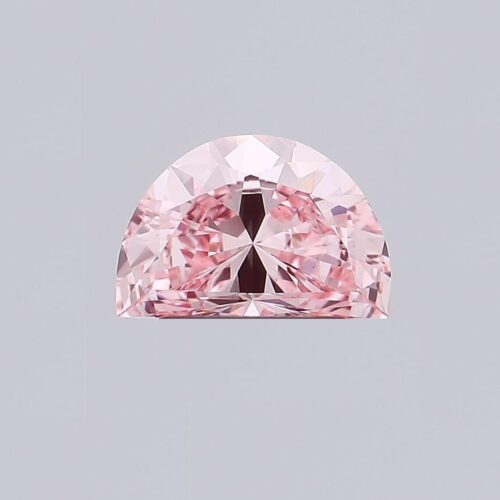
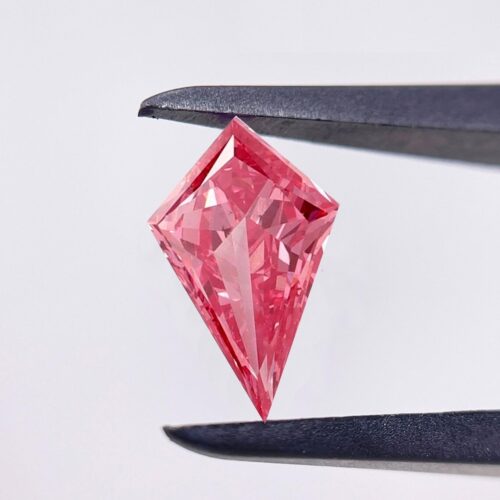
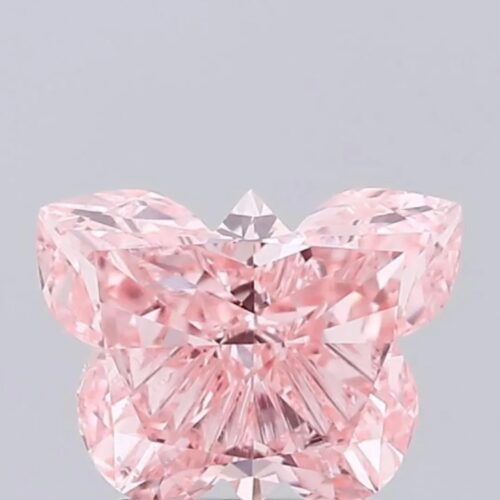
Wholesale pink lab-grown diamond lots represent the ideal choice for trade jewelers and watchmakers seeking batch-matched color consistency in 2026. Grown via precision chemical vapor deposition, these gems display vibrant blush-to-magenta hues with uniform clarity across every stone in the lot. When set into pave bands, multi-stone tennis bracelets, or custom halo mountings, these pink diamonds deliver high optical fire and luxury appeal. They pair magnificently with rose gold settings to create seamless monochromatic warmth or with platinum prongs to highlight pure, vivid color contrast.
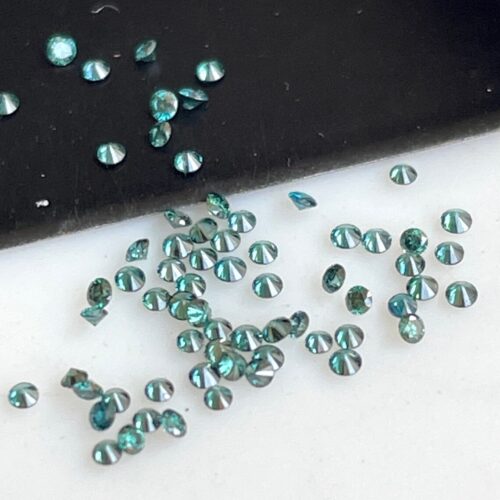
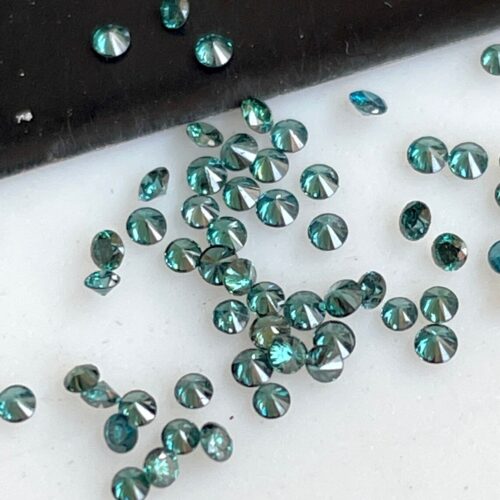
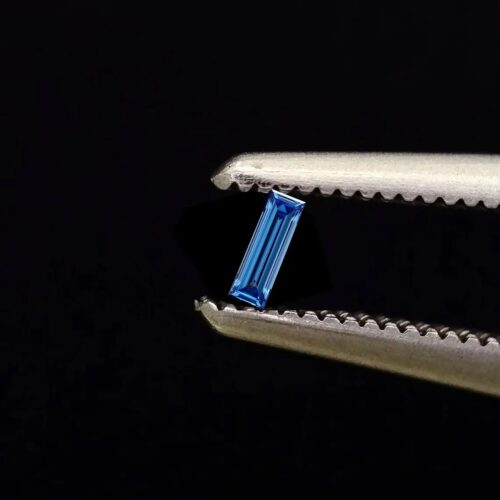
Blue Melee Lab-Grown Diamonds (1mm–3mm)
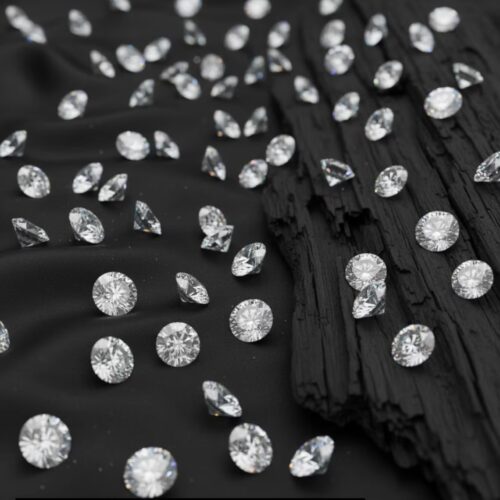
Blue melee lab-grown diamonds in 1mm to 3mm sizes offer exceptional precision for micro-pave settings, luxury watch dials, and detailed jewelry accents in 2026. Cultivated through advanced chemical vapor deposition, these small gems feature consistent ocean-blue hues and clean clarity across every lot. When set as accent borders or halo frames, they deliver intense blue sparkle and refined visual detail. They pair magnificently with white gold or platinum mountings to create a crisp, modern contrast or with rose gold to add a unique multi-colored aesthetic.
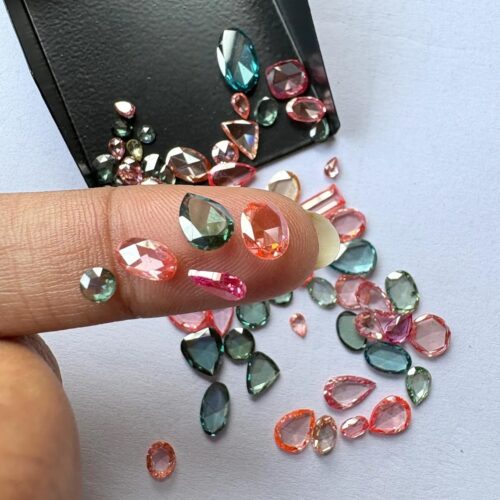
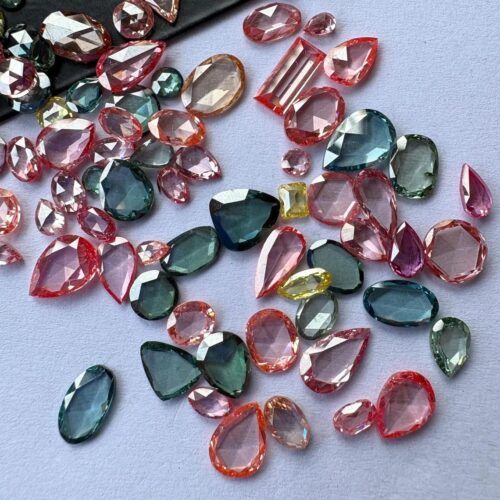
Pink & Blue Rose Cut Lab-Grown Diamonds
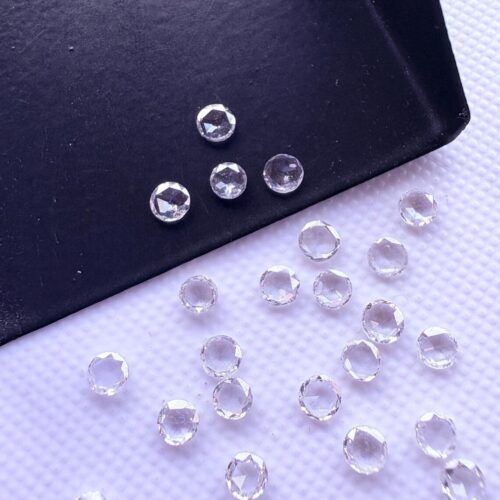
Pink and blue rose cut lab-grown diamonds combine vintage faceting aesthetics with modern plasma growth technology in 2026. Featuring flat bases and triangular crown facets, these unique cut diamond options maximize surface area while showcasing subtle pastel blush and soft sapphire body hues. When set into low-profile bezel rings, custom pendants, or vintage-inspired drop earrings, they deliver a romantic, luminous glow. They pair magnificently with rose gold settings to complement warm pink undertones or with white gold to emphasize crisp blue reflections.
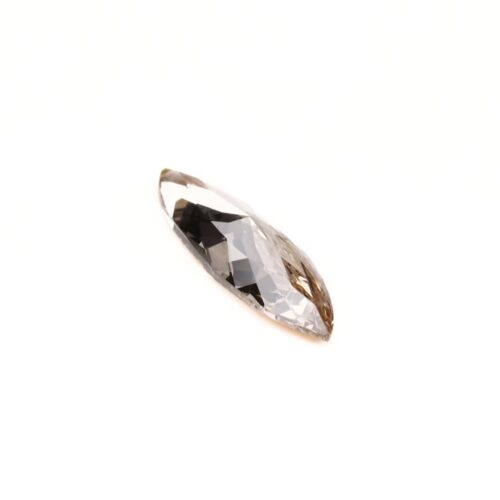
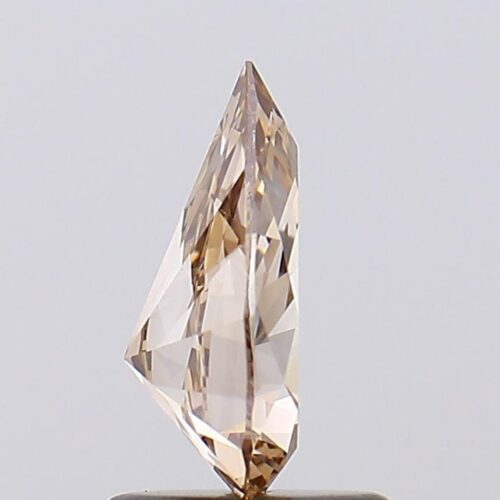
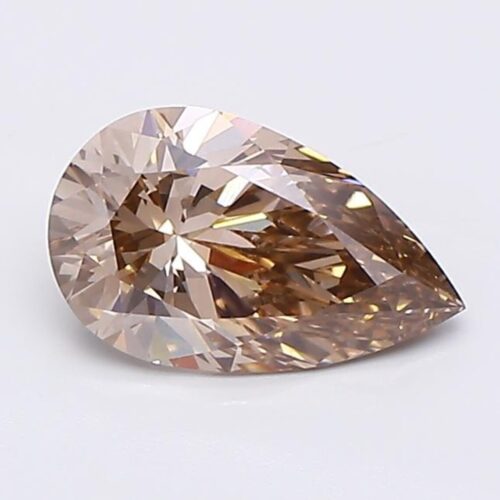
Fancy Pear Brown Lab-Grown Diamond
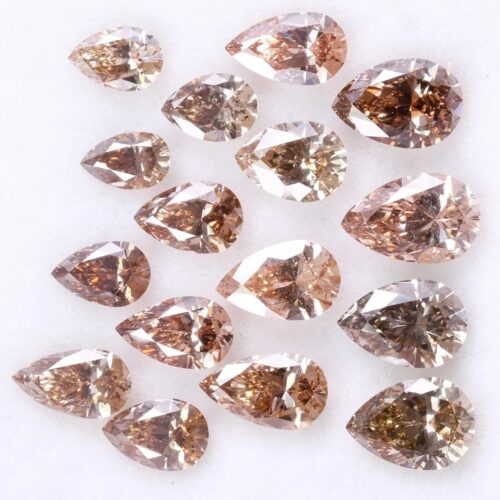
This fancy pear brown lab-grown diamond brings a refined blend of vintage warmth and modern elegance to luxury jewelry in 2026. Grown via precision chemical vapor deposition (CVD), this teardrop-shaped gem displays a rich cognac-to-champagne body hue with excellent facet symmetry and brilliant light return. When featured as a solitaire centerpiece or framed by a white diamond halo, its elongated silhouette creates a flattering effect on the finger. It pairs magnificently with 18k yellow gold or rose gold mountings to deepen its warm earth tones or with platinum prongs to highlight crisp visual contrast.
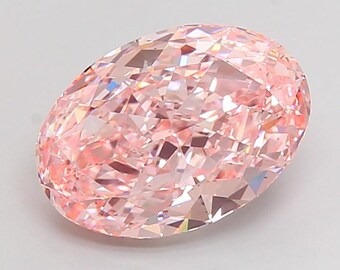
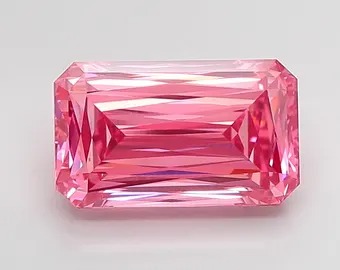
Lab-Grown Fancy Vivid Pink Diamond (10.53ct IGI)
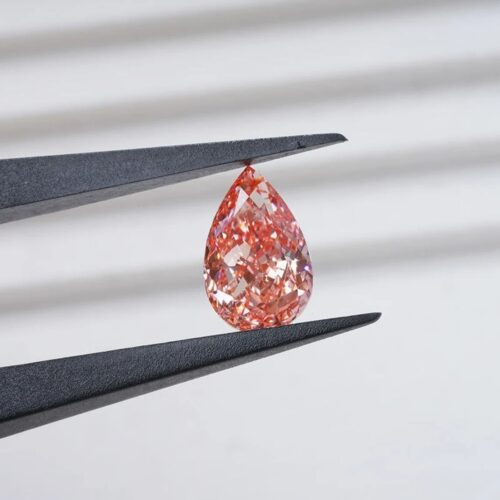
This 10.53 carat lab-grown Fancy Vivid Pink diamond represents a rare museum-quality centerpiece for high fine jewelry in 2026. Cultivated using advanced chemical vapor deposition (CVD) and accompanied by an official International Gemological Institute (IGI) grading report, this gem features maximum pink color saturation and extraordinary crystal clarity. When set into a high-carat solitaire ring, custom pendant, or regal halo setting, its commanding presence unleashes intense romantic fire and light dispersion. It pairs magnificently with platinum or white gold mountings to isolate its vivid hue or with rose gold to amplify its deep magenta undertones.
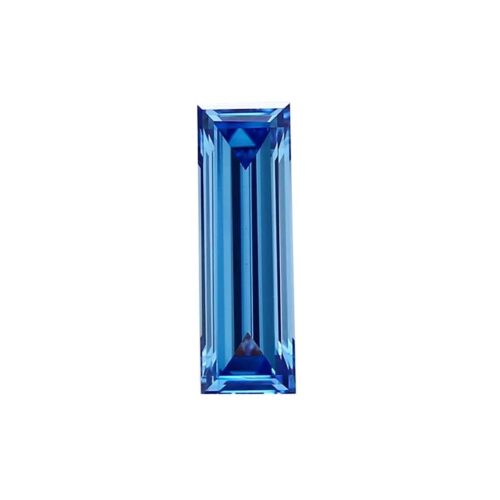
Fancy Vivid Blue Baguette-Cut Lab-Grown Diamond (3ct IGI)
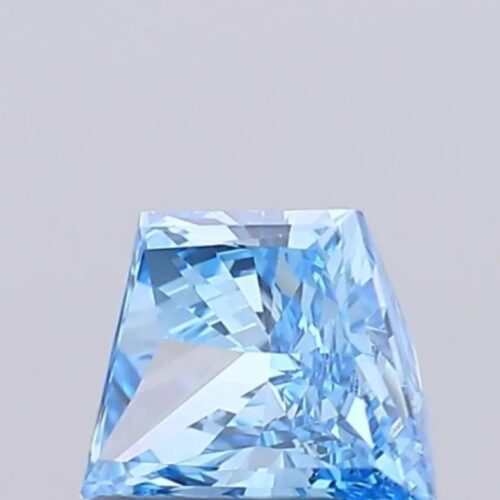
This 3 carat Fancy Vivid Blue baguette-cut lab-grown diamond brings geometric elegance and modern architectural beauty to high fine jewelry in 2026. Certified by the International Gemological Institute (IGI) and produced via advanced chemical vapor deposition (CVD), it features long, rectangular step-cut facets that highlight clean structural clarity and vivid sapphire-blue saturation. When set horizontally in an east-west solitaire ring, vintage bezel mounting, or framed by step-cut white side stones, it displays a sleek, sophisticated visual footprint. It pairs magnificently with platinum or 14k white gold to preserve its crisp ocean-blue brilliance.
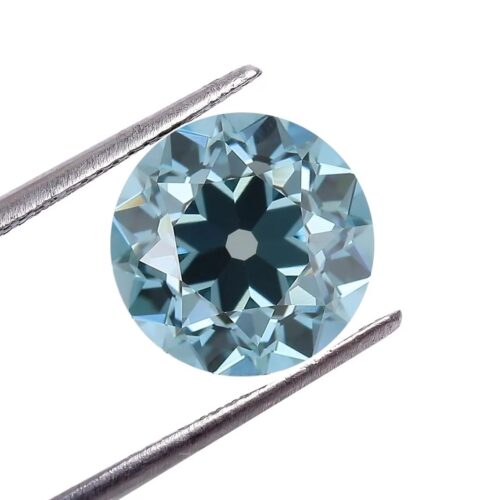
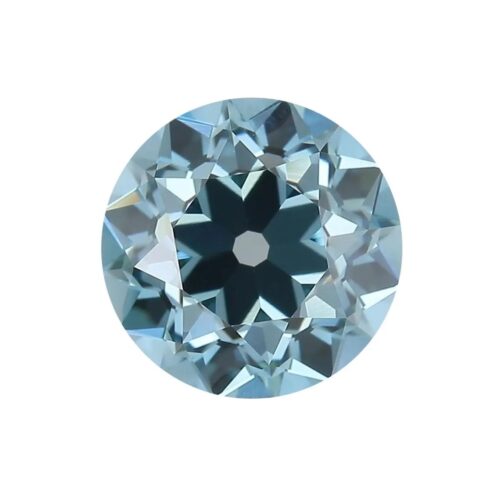
Fancy Vivid Blue Old European Cut Lab-Grown Diamond (3ct)
This 3 carat Fancy Vivid Blue Old European Cut lab-grown diamond seamlessly bridges historic 19th-century charm with advanced plasma synthesis in 2026. Grown via precision chemical vapor deposition (CVD), it features traditional antique faceting—including a high crown, small table, steep crown angle, and open culet—that draws light deep into the stone to showcase rich, oceanic sapphire-blue saturation. When set into an antique bezel mounting, vintage solitaire ring, or custom filigree band, it displays a distinct warm, inner radiance rather than modern pin-fire dispersion. It pairs magnificently with platinum or white gold to isolate its vivid blue hue or with rose gold to complement its classic vintage aesthetic.
Retail Collection Care and Long-Term Preservation
Maintaining the luminous fire of fancy color diamonds involves straightforward care routines. Cleaning jewelry pieces in warm water mixed with mild soap removes built-up oils and cosmetics. Gentle brushing behind prong settings restores full light transparency. Storing loose or set stones in separate microfiber pouches protects metal mountings and neighboring gems from contact wear.
Conclusion
Fancy color diamonds represent a remarkable synthesis of advanced scientific innovation, ethical manufacturing standards, and timeless aesthetic beauty in 2026. By harnessing chemical vapor deposition plasma technology, primary manufacturers cultivate vibrant yellow, pink, blue, and green gemstones that match mined earth stones in hardness, chemical composition, and optical dispersion. These cultivated gems eliminate environmental damage and supply chain opacity while providing exceptional value to trade professionals and retail consumers alike. Whether you are crafting a bespoke engagement ring, developing a commercial jewelry line, or acquiring certified loose inventory, fancy green and pink gems deliver guaranteed origin, supreme clarity, and breathtaking visual splendor that will endure for generations.
Frequently Asked Questions (FAQs)
Q.1: What are fancy color diamonds and how are they created in a laboratory?
Fancy color diamonds are real carbon diamonds featuring vibrant natural body colors produced in high-tech CVD plasma chambers under controlled trace gas environments. For complete manufacturer details, brand history, and certified inventory options, explore LEPDO DIAMONDS.
Q.2: Are laboratory fancy color diamonds certified by independent gemological institutes?
Yes, laboratory-grown fancy color diamonds receive full gemological certificates from major independent grading authorities such as the International Gemological Institute.
Q.3: Where can wholesale buyers source loose certified stock for fancy color diamonds?
Wholesale trade buyers and retail jewelers seeking certified parcels of individual stones can browse our extensive collection of loose diamonds to select specific color saturation levels, cut shapes, and clarity grades for fancy color diamonds.
Q.4: How does chemical vapor deposition compare to HPHT for fancy color diamonds?
CVD synthesis builds fancy color diamonds layer by layer using methane and hydrogen plasma gases, providing exceptional control over atomic clarity and color saturation, whereas HPHT uses high pressure and heat. Both techniques produce authentic, certified fancy color diamonds.
Q.5: Do the vibrant colors in lab-grown fancy color diamonds fade over time?
No, the vivid hues in lab-created fancy color diamonds are permanent and locked within the carbon crystal lattice structure. They will never fade, alter, wash out, or degrade under sunlight, daily wear, or standard heat cleaning.
Q.6: Which diamond cuts enhance color saturation the best in fancy color diamonds?
Radiant and cushion cuts are specifically engineered with multi-faceted pavilion structures that reflect light repeatedly inside the gem, significantly intensifying color saturation in lab-created fancy color diamonds.
Q.7: Are fancy color diamonds durable enough for daily wear engagement rings?
Yes, rating 10 on the Mohs scale of mineral hardness, lab-created fancy color diamonds are extremely scratch-resistant and highly durable, making them ideal for daily wear in engagement rings, wedding bands, and fine jewelry.
Q.8: How do lab-grown fancy color diamonds prices compare to natural mined colored diamonds?
Lab-grown fancy color diamonds cost 70% to 90% less than natural mined colored diamonds of equivalent color saturation and clarity, making rare yellow, pink, blue, and green hues accessible to modern buyers.
Q.9: What metal settings complement fancy color diamonds the best?
Yellow gold enhances warm yellow and olive tones, rose gold highlights pink hues, while platinum and white gold provide modern contrast that isolates pure blue and green hues. Additional gemstone term definitions and setting guides are available on our fancy color diamonds site page.
Q.10: How can trade jewelers order bulk calibrated parcels of colored diamonds?
Trade jewelers can order calibrated parcels directly from primary manufacturing facilities in Surat, securing factory-direct pricing, consistent color matching, and custom cut specifications for commercial production lines. For in-depth trade guides, manufacturing insights, and bulk ordering procedures, jewelry retailers and B2B buyers can follow our official Medium publication.